The Ineffable Name Controversy: Breaking Traditions and Unveiling Truth
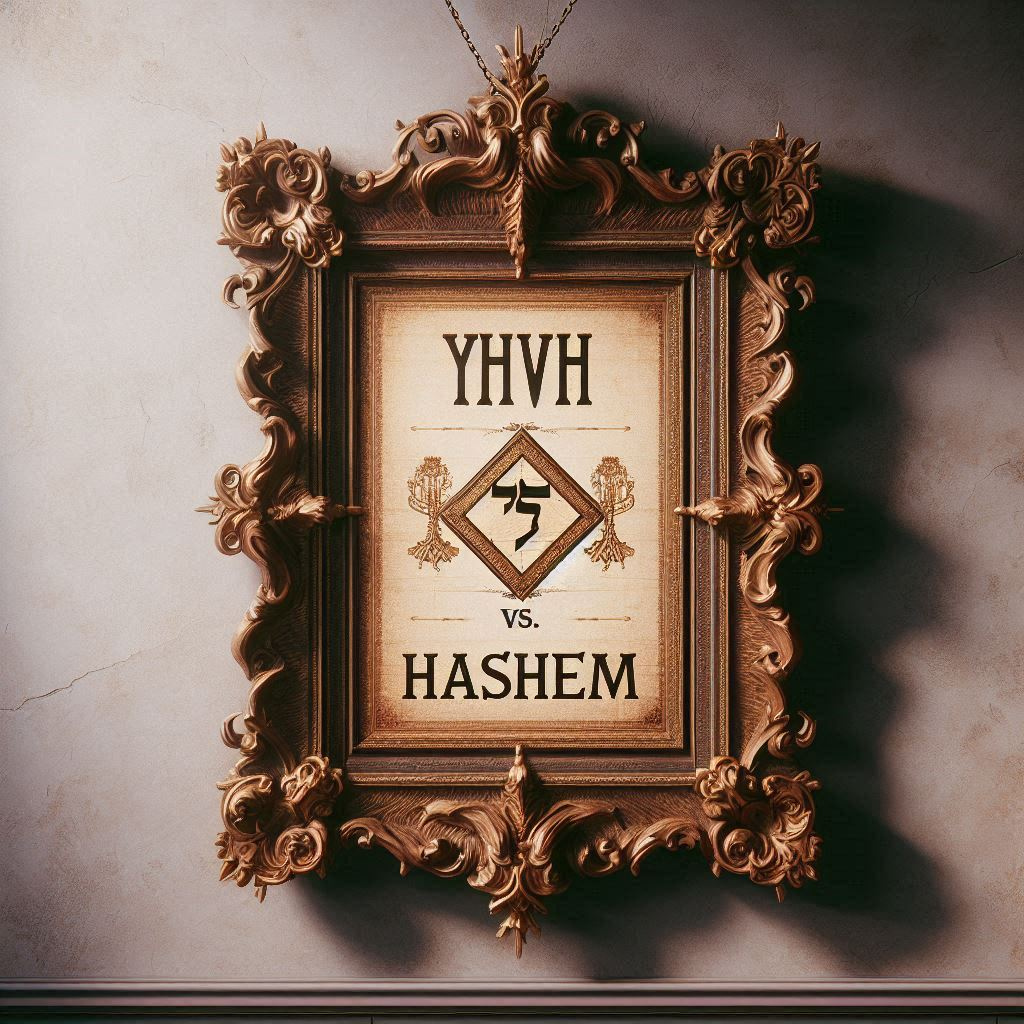
Introduction: In the realm of faith, the Name of Yehovah holds profound significance. However, the tradition of not uttering or writing this sacred name has sparked controversy and debate. This blog post delves into the origins, interpretations, and implications of this practice, shedding light on the true essence of the Ineffable Name.
The Tradition of Writing “G-d”: Many Jewish communities avoid writing the full name of God, opting for “G-d” instead. This practice stems from a passage in Deuteronomy, which commands the Israelites to destroy the names of non-Israelite gods. Rabbinic interpretations extended this to mean that God’s name should not be erased, leading to the tradition of writing “G-d”1.
Rabbinic Interpretations and Misinterpretations: Rabbinic authorities, such as Rashi, interpreted the prohibition against erasing God’s name as a reason to avoid writing it altogether. This led to the practice of storing or burying Jewish literature containing the name “God” once it fell into disrepair2. However, this interpretation has been contested, as the original scriptural intent was to prevent the worship of Yehovah in the manner of pagan gods3.
The True Name of Yehovah: The Father revealed His eternal and holy name to Moses, declaring it to be remembered for all generations (Exodus 3:15). Despite this, Rabbinic authorities replaced the name Yehovah with titles and descriptors like “Adonai” and “Elohim,” effectively nullifying the Torah’s instructions regarding the use of God’s name4.
The Impact of Rabbinic Regulations: By enacting regulations against using God’s name, Rabbinic authorities transgressed Yah’s eternal Torah. This has led to a widespread practice of substituting God’s name with titles, which often have pagan origins5. This practice contradicts the scriptural mandate to declare and magnify Yehovah’s name throughout the earth6.
Conclusion: As Torah-observant disciples, it is our duty to honor and proclaim the true name of Yehovah. By doing so, we fulfill the scriptural command to declare His name to all generations. Let us break free from traditions that obscure the true essence of God’s name and embrace the profound significance of Yehovah.
For those of you who would like to explore this week’s Torah Reading 13, I invite you to read and listen to the discussion entitled “Yehovah: the God Who Sees.” (Yehovah-The God Who Sees-STAR 13)
When Nations Tremble: The Prophetic Significance of the Unrest in the U.S., France, and Italy
🔥 When Nations Tremble: The Prophetic Significance of the Unrest in the U.S., France, and Italy A Messianic‑Hebraic Analysis of Global Birth Pangs in the 8th Biblical Month By Rod Thomas — The Messianic Torah Observer Yom Sheni — 7th Day of the 8th Biblical Month...
Mashiyach/Messiah ben David: The Convergence of Three Messianic Profiles in Yeshua
Mashiach ben David: The Convergence of Three Messianic Profiles in Yeshua Part 11 of the Melchizedek Series Greetings, beloved saints of the Most High Ahlohim. In this installment of the Messianic Torah Observer, we turn our attention to one of the most...
The Serpent’s Oldest Question: Genesis 3, October 7, and Beresheit Faith
The Serpent’s Oldest Question—and Why the World Gets to Start Over Shabbat Shalom, beloved, and welcome to another installment of the Messianic Torah Observer. In this teaching, we stand at a sobering and deeply meaningful intersection: the third anniversary of...
The Eighth Day: The Feast Nobody Leaves
Chag Sameach, beloved saints in training. In this installment of The Messianic Torah Observer, we turn our attention to Shemini Atzeret—the Eighth Day Assembly, otherwise known as the Last Great Day. It is the Feast that arrives after the seven days of Sukkot, when...
Every Nation Will Come: Sukkot, Zechariah 14, and Yeshua Tabernacling With Us
Episode Summary Chag Sameach Sukkot, beloved of the Most High. In this installment of The Messianic Torah Observer, we turn our attention to Sukkot, aka the Feast of Tabernacles; the Feast of Booths; and the Feast of Ingathering to consider what this appointed time...
Ha’azinu and Shabbat Shuva: The Song of Moses, Teshuvah, and Yom Kippur
Ha’azinu: The Song That Knew the Future—and the Shabbat That Stands Between You and Yom Kippur Greetings, Saints of the Most High Ahlohim, and welcome to another installment of The Messianic Torah Observer. In this teaching, we turn our attention to Parashat...
The Hidden Feast: Yom Teruah, the New Moon, Hannah’s Prayer, and the Return of the King
Beloved, in this installment of The Messianic Torah Observer, we turn our attention to one of the most mysterious and prophetically charged moedim on Yehovah’s sacred calendar: Yom Teruah, the Day of the Blowing of Trumpets. It is a feast that Father commanded, yet...
How Should We Evaluate Prophetic Voices? A Biblical Framework — With Jonathan Cahn as Our Starting Point
Opening This morning — Tuesday, September 8, 2026, the 25th day of the 6th Biblical Month, conceivably four or 5 days before Yom Teruah, a significant fact-checking analysis of Jonathan Cahn's prophetic claims was published. (Reference: “What Prophecies Has Jonathan...
The King Is in the Field: Elul, Yeshua, and the Meeting Your Jewish Cousins Are Still Waiting For?
Beloved, in this installment of The Messianic Torah Observer, we step into one of the most tender and spiritually rich traditions associated with the traditional Jewish month of Elul: the teaching that the King is in the field. Our Jewish cousins have long understood...
Yeshua and Ki Teitzei: The Torah Fulfilled Through Mercy
Episode Focus In this installment of the Messianic Torah Observer, I revisit this week’s Torah Reading, Ki Teitzei, and bring it into conversation with the words of our Master Yeshua in the Sermon on the Mount. And what we discover, Saints, is that Moshe and Yeshua...