Greetings, saints of the Most High! Welcome to another installment of the Messianic Torah Observer. Today, we delve into the intriguing topic of our Melchizedekian Priestly Pedigree, focusing on Jasher’s hidden chronicles.
In Part 3, we explored the theological implications of the Avram-Melchizedek encounter, discussing the dual offices of priesthood and kingship, the blessing conferred upon Avram, the significance of tithing, and the mysterious nature of Melchizedek. We also examined various religious perspectives on Melchizedek, including those from Catholicism, Islam, and Messianic Judaism.
Jewish legend and tradition often identify Shem, Noah’s righteous son, as Avram’s Melchizedek. However, there are several issues with this theory, including the lack of canonical biblical evidence and the improbability of Shem’s lifespan overlapping with Avram’s. Despite these concerns, the book of Jasher perpetuates this connection, presenting a narrative where Shem is indeed Avram’s Melchizedek.
Jasher’s account embellishes the biblical story, referring to Melchizedek as Adonizedek and describing a community meeting with Avram, bearing bread and wine. Interestingly, Jasher omits Melchizedek’s blessing of Yehovah, a curious detail given some ancient rabbinic opinions.
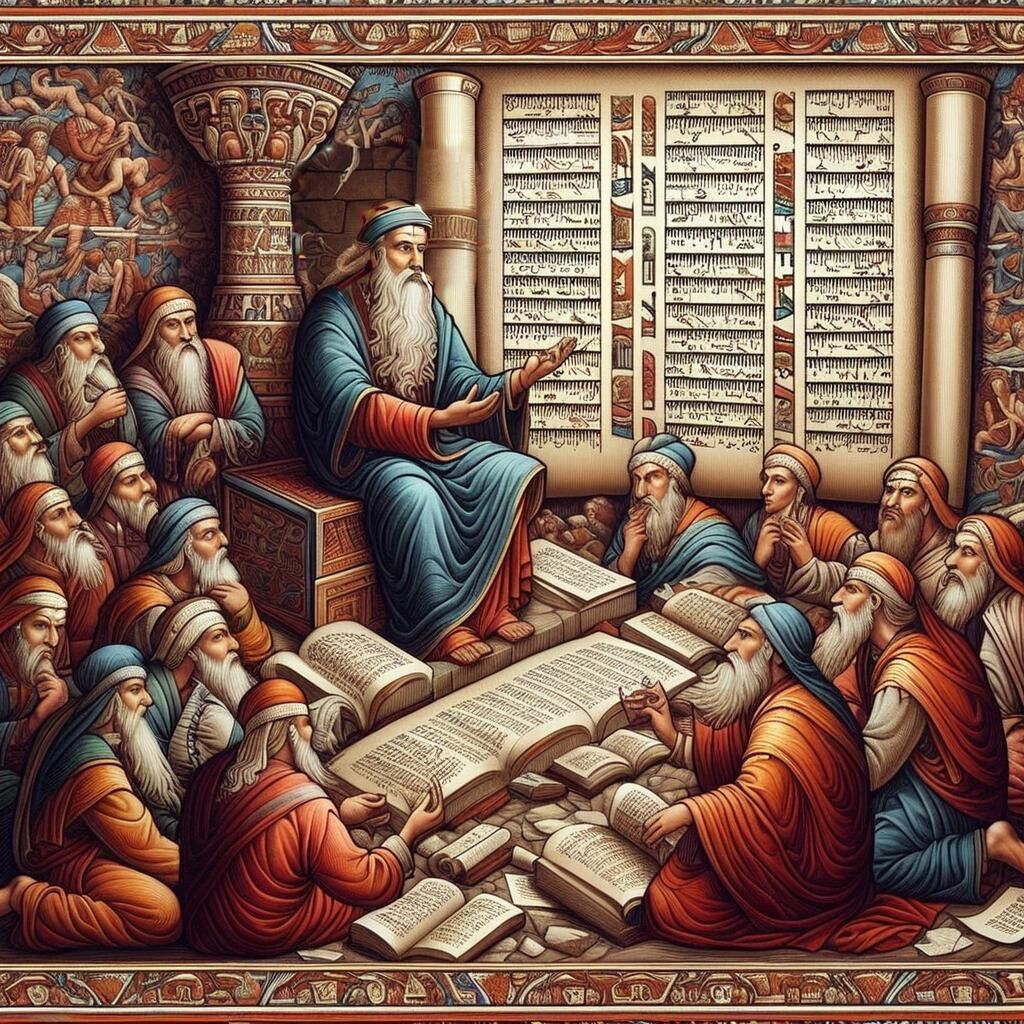
The narrative continues with Shem passing his prophecy school to Eber, his great-grandson, while the Melchizedekian priesthood is conferred upon Avram. This lineage, according to Jasher, includes notable figures like Adam, Enoch, and Noah, culminating in Avram.
However, the Jasher narrative raises questions about the authenticity and accuracy of these accounts. The Melchizedekian priesthood, as described in the Torah, operates outside biological heritage lines and temple sacrificial systems, foreshadowing the Spirit and Truth worship Yeshua spoke of.
Despite the conflicts between Jasher’s and the Torah’s accounts, we can glean significant insights into our Melchizedekian priestly pedigree. Concepts of righteousness, priestly conduct, obedience, and steadfast commitment to the faith form the foundation of our priestly calling. As students of Yahoshua’s Great School of Prophecy, we are in a season of training and preparation for our future roles in the Kingdom of Yehovah.
In conclusion, while I have my reservations about Jasher’s account, it offers valuable lessons about the godly elements that make up our Melchizedekian priestly pedigree. As we continue this series, we will explore these elements further, preparing us to serve as Melchizedekian kings and priests in the coming Kingdom of Yah.
May you be most blessed, fellow saints in training. Let us embrace our calling and prepare for the roles we are destined to fulfill.
When Nations Tremble: The Prophetic Significance of the Unrest in the U.S., France, and Italy
🔥 When Nations Tremble: The Prophetic Significance of the Unrest in the U.S., France, and Italy A Messianic‑Hebraic Analysis of Global Birth Pangs in the 8th Biblical Month By Rod Thomas — The Messianic Torah Observer Yom Sheni — 7th Day of the 8th Biblical Month...
Mashiyach/Messiah ben David: The Convergence of Three Messianic Profiles in Yeshua
Mashiach ben David: The Convergence of Three Messianic Profiles in Yeshua Part 11 of the Melchizedek Series Greetings, beloved saints of the Most High Ahlohim. In this installment of the Messianic Torah Observer, we turn our attention to one of the most...
The Serpent’s Oldest Question: Genesis 3, October 7, and Beresheit Faith
The Serpent’s Oldest Question—and Why the World Gets to Start Over Shabbat Shalom, beloved, and welcome to another installment of the Messianic Torah Observer. In this teaching, we stand at a sobering and deeply meaningful intersection: the third anniversary of...
The Eighth Day: The Feast Nobody Leaves
Chag Sameach, beloved saints in training. In this installment of The Messianic Torah Observer, we turn our attention to Shemini Atzeret—the Eighth Day Assembly, otherwise known as the Last Great Day. It is the Feast that arrives after the seven days of Sukkot, when...
Every Nation Will Come: Sukkot, Zechariah 14, and Yeshua Tabernacling With Us
Episode Summary Chag Sameach Sukkot, beloved of the Most High. In this installment of The Messianic Torah Observer, we turn our attention to Sukkot, aka the Feast of Tabernacles; the Feast of Booths; and the Feast of Ingathering to consider what this appointed time...
Ha’azinu and Shabbat Shuva: The Song of Moses, Teshuvah, and Yom Kippur
Ha’azinu: The Song That Knew the Future—and the Shabbat That Stands Between You and Yom Kippur Greetings, Saints of the Most High Ahlohim, and welcome to another installment of The Messianic Torah Observer. In this teaching, we turn our attention to Parashat...
The Hidden Feast: Yom Teruah, the New Moon, Hannah’s Prayer, and the Return of the King
Beloved, in this installment of The Messianic Torah Observer, we turn our attention to one of the most mysterious and prophetically charged moedim on Yehovah’s sacred calendar: Yom Teruah, the Day of the Blowing of Trumpets. It is a feast that Father commanded, yet...
How Should We Evaluate Prophetic Voices? A Biblical Framework — With Jonathan Cahn as Our Starting Point
Opening This morning — Tuesday, September 8, 2026, the 25th day of the 6th Biblical Month, conceivably four or 5 days before Yom Teruah, a significant fact-checking analysis of Jonathan Cahn's prophetic claims was published. (Reference: “What Prophecies Has Jonathan...
The King Is in the Field: Elul, Yeshua, and the Meeting Your Jewish Cousins Are Still Waiting For?
Beloved, in this installment of The Messianic Torah Observer, we step into one of the most tender and spiritually rich traditions associated with the traditional Jewish month of Elul: the teaching that the King is in the field. Our Jewish cousins have long understood...
Yeshua and Ki Teitzei: The Torah Fulfilled Through Mercy
Episode Focus In this installment of the Messianic Torah Observer, I revisit this week’s Torah Reading, Ki Teitzei, and bring it into conversation with the words of our Master Yeshua in the Sermon on the Mount. And what we discover, Saints, is that Moshe and Yeshua...