
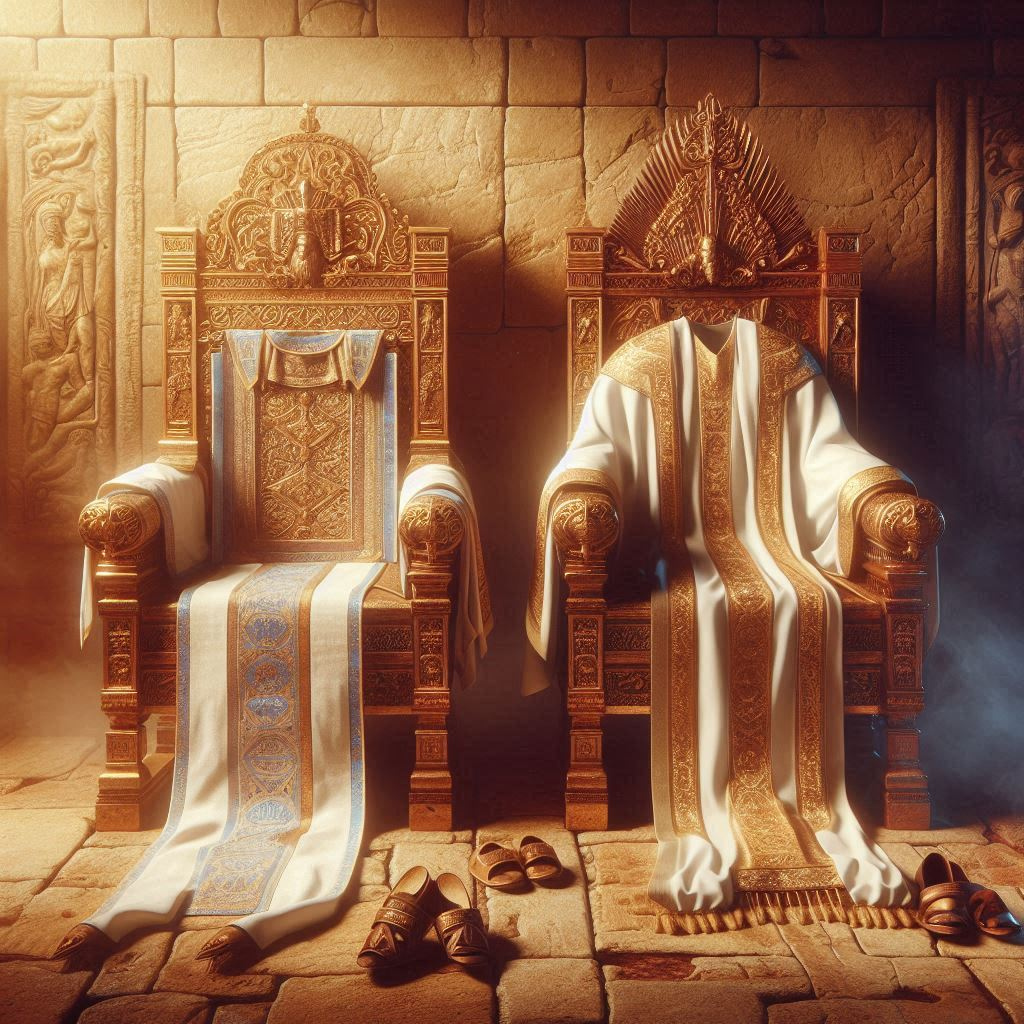
Show Notes: Did John Baptize Yeshua into the Melchizedekian Priestly Order-Part 5 of our Melchizedek SeriesEpisode Title: Did John Baptize Yeshua into the Melchizedekian Priestly Order-Part 5 of our Melchizedek Series
Episode Description: In this episode, we explore the intriguing question of whether John the Baptist baptized Yeshua into the Melchizedekian Priestly Order. Join us as we delve into historical, theological, and scriptural insights to uncover the significance of this event. This is Part 5 of our Melchizedek Series, where we continue to examine the profound implications of the Melchizedekian Order in religious history.
Key Topics Covered:
Episode Highlights:
References:
|
STAR 17–My Discussion with Author and Messianic Teacher Carmen Welker Part 2
Carmen Welker discusses her ministry--what The Refiner's Fire is all about and how it is impacting the Christian and Jewish communities.
STAR 16–A Discussion with Carmen Welker Part 1
STAR 16--A Discussion with Carmen Welker (Part 1) Shalom Saints! Check out Carmen's Webites and Associated Ministry: The Refiner's Fire Reality Check TV The Aramaic English New Testament
STAR 15–Understanding the Bible Part 3–A Question of Inspiration or Perspiration
Understanding the Bible Part 3—A Question of Inspiration or Perspiration What is the Bible? As it relates to the Bible, how many of you have heard the Bible described and labeled as the Holy Bible? What about the bible as the “unadulterated Word of God?” How bout...
STAR 12–Understanding the Bible Part 2 (Why Should Believers Read Their Bibles)
Understanding the Bible Part 2--Why Should Believers Read the Bible? Opening Scripture Passage: Hos 4:1-6 KJV The Moedim Conference--United in Torah--May 1-3, 2015 in San Diego, CA. Featured Guests: Psalmstress Elisha Rico Cortes--Founder Wisdom in Torah Ministries...
Torah Living 50–Understanding the Bible (Is the Church Suffering from Biblical Illiteracy?)
Introduction What is the bible? Some would contend the bible to be the “unadulterated Word of God.” Others would similarly contend that the bible is NOT the word of God per se, but rather it contains the Word of God. Others would say that it is an instruction manual...
STAR 11–Understanding the Bible or Is the Church Suffering from Biblical Illiteracy?
Understanding the Bible Part 1--Is the Church Suffering from Biblical Illiteracy? What is the bible? Some would contend the bible to be the “unadulterated Word of God.” Others would similarly contend that the bible is NOT the word of God per se, but rather it contains...
Sabbath Thoughts & Reflections 10–The Day of Firstfruits or the Wave Sheaf Offering
9 ¶ Then the LORD spoke to Moses, saying, 10 "Speak to the sons of Israel, and say to them, 'When you enter the land which I am going to give to you and areap its harvest, then you shall bring in the sheaf of the first fruits of your harvest to the priest....
Torah Living 49–The Day of Firstfruits or the Wave Sheaf Offering
Yom Bikkurim or the Day of Firstfruits This Feast of Firstfruits in Hebrew is referred to as Yom HaBikkurim (meaning the Day of the First ripe fruits of a crop) or the Day of the Wave Sheaf. On this day, the cohen (aka priests) would wave a sheaf of the first fruits...
Mentally Preparing for Passover
6 aYour boasting is not good. bDo you not know that ca little leaven leavens the whole lump of dough?7 Clean out the old leaven, that you may be a new lump, just as you are in fact unleavened. For Christ our aPassover also has been sacrificed.8 Let us therefore...
STAR 8–Preparing for Passover Mentally, Physically and Spiritually
Preparing for Passover Mentally, Physically and Spiritually Preparation is a key factor in getting the fullest possible spiritual, cognitive and physical benefit from the Feasts. Failure to adequately prepare in every aspect of our being could lead to a less-than...