
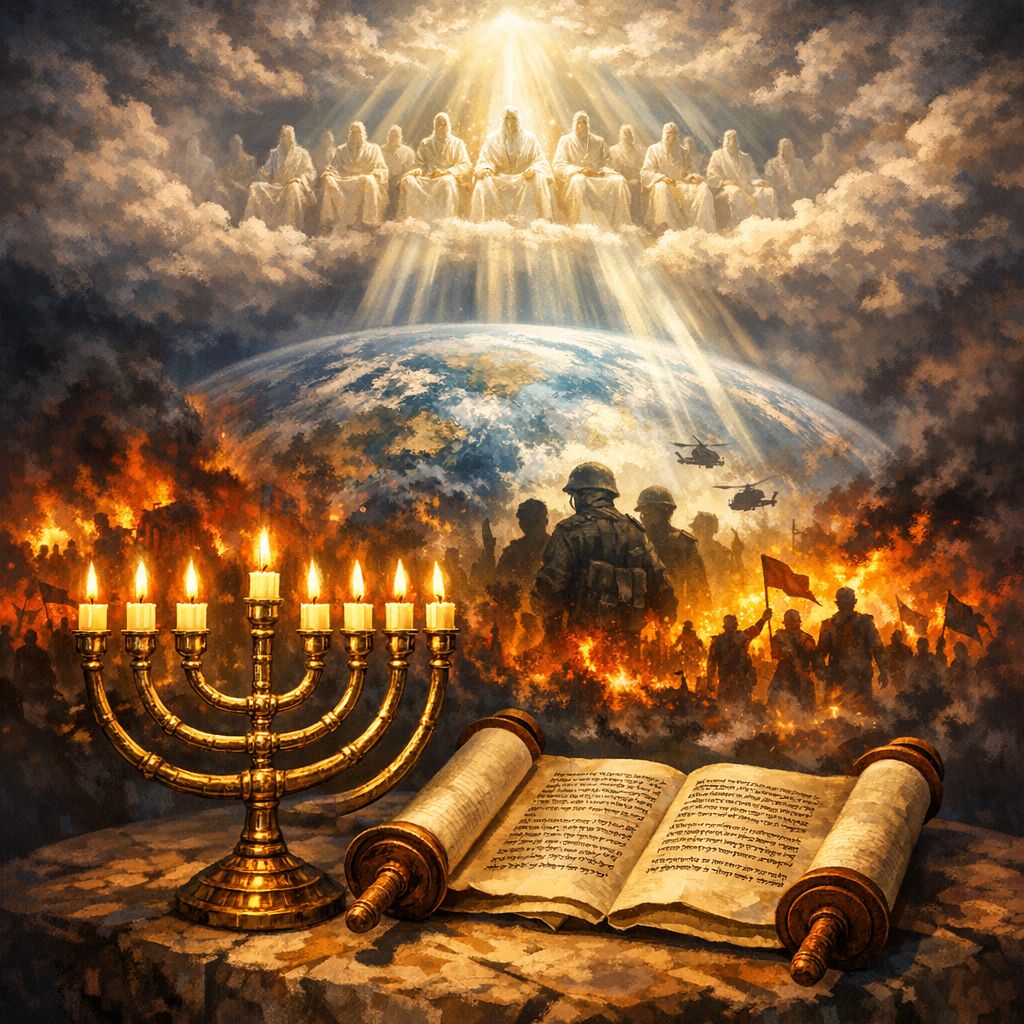
Episode Overview
Key Themes & Discussion Points
1. Living in Perilous Times
-
The episode opens with a reflection on the “Last Days” and the fulfillment of biblical prophecy regarding the moral decline of society (2 Timothy 3:1-4, Romans 3:23). Listeners are encouraged to self-examine and recognize how these ungodly traits manifest both individually and collectively.
2. The Danger of Ideological Absolutism
-
Various global systems—religious and secular—are discussed (Iran, Venezuela, radical movements in the West). The common thread is the danger that arises when any system claims moral perfection and becomes intolerant of dissent. Such systems survive on fear and collapse only when their enforcement mechanisms fail.
3. Power and Unlikely Alliances
-
The thirst for power unites disparate groups and ideologies, leading to unexpected alliances. The episode highlights how neither religion nor atheism can restrain absolute ideology, and how tragic consequences can result when individuals or groups become impervious to reason.
4. How Systems Claim and Maintain Power
-
Real-world examples illustrate how institutions (courts, media, schools, police) shift from protecting rights to enforcing ideology when a system claims absolute authority. This is seen in Iran, Venezuela, the Soviet Union, and contemporary U.S. politics.
5. Why Evil Systems Persist
-
Despite knowing right from wrong, humanity continues to support corrupt systems. Scriptural references (Romans 1:20-32) explain how people exchange truth for lies and become complicit in evil. The episode argues that regimes survive protests and leadership changes, collapsing only when their authority is removed—a power that comes from beyond human agency.
6. The Spiritual Mandate: Prayer Over Protest
-
The biblical framework is presented: God is sovereign over all authorities (Romans 13:1, Daniel 2:21; 4:17, Proverbs 8:15, John 19:11). The only lawful recourse for believers is prayer, which is described as a legal act before the Court of Heaven. Prayer is not just a plea for help but a formal petition for judgment and removal of illegitimate power.
7. Praying for Systems and Individuals
-
While believers are called to pray for individuals in authority (1 Timothy 2:1-2), the focus should also be on praying against evil systems themselves. The episode emphasizes living as “light and salt” in the world, being subject to governing authorities, and fulfilling the Great Commission.
8. Spiritual Warfare: Prayer and Fasting
-
Spiritual warfare is real and scripturally grounded (Ephesians 6:10-18). The episode encourages listeners to engage in prayer and fasting as acts of spiritual authority, citing examples from Moses (Exodus 32), Esther (Esther 4), and Daniel (Daniel 9). These acts can break the power of evil systems and bring about divine intervention.
9. Practical Implications for Believers
-
The role of the Body of Messiah is not violent overthrow but persistent prayer and fasting. Prayer aligns believers with God’s decisions, enabling justice without chaos. Listeners are invited to join in spiritual warfare, maintain personal holiness, and pray for leaders, nations, and one another.
10. Invitation to Discipleship
-
The episode closes with an invitation to enter into a covenant relationship with God through Yeshua Messiah, encouraging listeners to seek forgiveness, walk in obedience, and pursue a faith-based, Torah-honoring lifestyle.
Scriptural References
-
2 Timothy 3:1-4
-
Romans 3:23; 1:20-32; 13:1-7
-
Daniel 2:21; 4:17; 7
-
Proverbs 8:15
-
John 19:11
-
1 Timothy 2:1-2
-
Matthew 6:33; 5:13-14; 28:19-20; 16:19; 18:18
-
Ephesians 6:10-18
-
Exodus 32
-
Esther 4
-
Daniel 9
-
Psalm 2; 122:6
-
Titus 3
-
1 Peter 2
-
1 Thessalonians 5:17
-
Galatians 5:22-25
-
1 Corinthians 5:9-13
-
Luke 5:16
-
2 Corinthians 6:2
-
Isaiah 55:6-9
Action Steps & Reflection
-
Engage in prayer and fasting for the collapse of evil systems and the salvation of those in authority.
-
Maintain personal holiness and avoid unholy company.
-
Pray for leaders, nations, and fellow believers.
-
Study the Word and seek God’s Kingdom and righteousness.
-
Consider entering into a covenant relationship with God if you have not already done so.
Connect & Respond
-
For questions or further discussion, reach out via email: perceptionwp@gmail.com
-
Leave a voice message through SpeakPipe on the website: https://themessianictorahobserver.org
Closing Blessing
The King Is in the Field: Elul, Yeshua, and the Meeting Your Jewish Cousins Are Still Waiting For?
Beloved, in this installment of The Messianic Torah Observer, we step into one of the most tender and spiritually rich traditions associated with the traditional Jewish month of Elul: the teaching that the King is in the field. Our Jewish cousins have long understood...
Yeshua and Ki Teitzei: The Torah Fulfilled Through Mercy
Episode Focus In this installment of the Messianic Torah Observer, I revisit this week’s Torah Reading, Ki Teitzei, and bring it into conversation with the words of our Master Yeshua in the Sermon on the Mount. And what we discover, Saints, is that Moshe and Yeshua...
What the Greek Mindset Stole from Our Bible Reading and How We Get It Back
Beloved, this teaching is about recovering the lens we were never supposed to lose. Most of us were discipled, trained, and conditioned to read a Hebrew Bible through a Greek and Hellenistic framework, and many of us never realized that this inherited lens was shaping...
Parashat Ki Teitzei: Cursed on a Tree and the Covenant of Peace: Called to War, Comforted by God, and Drawn Near Through Messiah
Episode Overview Beloved, in this installment of The Messianic Torah Observer, we take up Parashat Ki Teitzei, one of the most commandment-rich portions in the entire annual Torah reading cycle. At first glance, Ki Teitzei may appear to be little more than a long...
UFOs, UAPs, and the Unseen Realm: A Messianic Response to a World Looking Up
Shalom and greetings, beloved Saints of the Most High. In this installment of the Messianic Torah Observer, we stepped into a subject that many in our Faith community either avoid altogether, casually dismiss, or hand over to the secular world to define for us: UFOs,...
Re’eh: What Does It Mean To Truly See?
Episode Title Re’eh: What Does It Mean to Truly See? Episode Overview Beloved, this week’s Torah Reading is Parashat Re’eh, found in Deuteronomy 11:26–16:17. And the parshah opens with one simple, yet spiritually loaded admonishment from Moshe to the people of Yah:...
Hebrew Roots Versus Messianic Judaism: A Debate Every Torah-Keeper Needs to Understand
In this installment of The Messianic Torah Observer, we take up a timely, necessary, and in some respects uncomfortable discussion surrounding the distinction between the Hebrew Roots Movement and Messianic Judaism. And beloved, this is not merely an academic...
The Commandments We Trample Underfoot: Eikev, Yeshua, and the Torah-Grace Question
The Commandments We Trample Underfoot: Eikev, the Wilderness Test, and the Torah-Grace Question Beloved, in this installment of The Messianic Torah Observer, we take up Parashat Eikev, our reading for this coming Shabbat, August 1, 2026, contained in...
Tu B’Av: The Day Nobody Told You About
Episode Title: Tu B’Av: The Day Nobody Told You About And greetings, saints of the Most High. In this special installment of The Messianic Torah Observer, we take up a Jewish traditional memorial day that many in our faith communities have likely never heard taught,...
Is the Hebrew Roots Movement a False Gospel? Answering the Critics
Episode Title Is the Hebrew Roots Movement a False Gospel? Answering the Critics Episode Summary In this installment of The Messianic Torah Observer, we take up a serious accusation that has been leveled against the Hebrew Roots, Messianic, Torah-honoring, and...