Overview
Key Topics Covered
1. Introduction and Context
-
Greetings and setting: Recorded on the 3rd Day of the 11th biblical month, 6025 (Friday, January 16, 2026).
-
Reflection on persecution, faith, and the hope found in Yeshua’s teachings (Matthew 5:10-12; Ephesians 6:18; Matthew 5:44; Luke 6:28).
2. Why Judaism Rejects Yeshua as Messiah
-
Historical grievances and theological differences.
-
The role of Rabbinic expectations and interpretations in shaping Jewish messianic beliefs (Hebrews 2:3; Romans 3:2; Romans 11:25-26; Zechariah 12:10).
3. The Three Messiahs in Jewish Thought
-
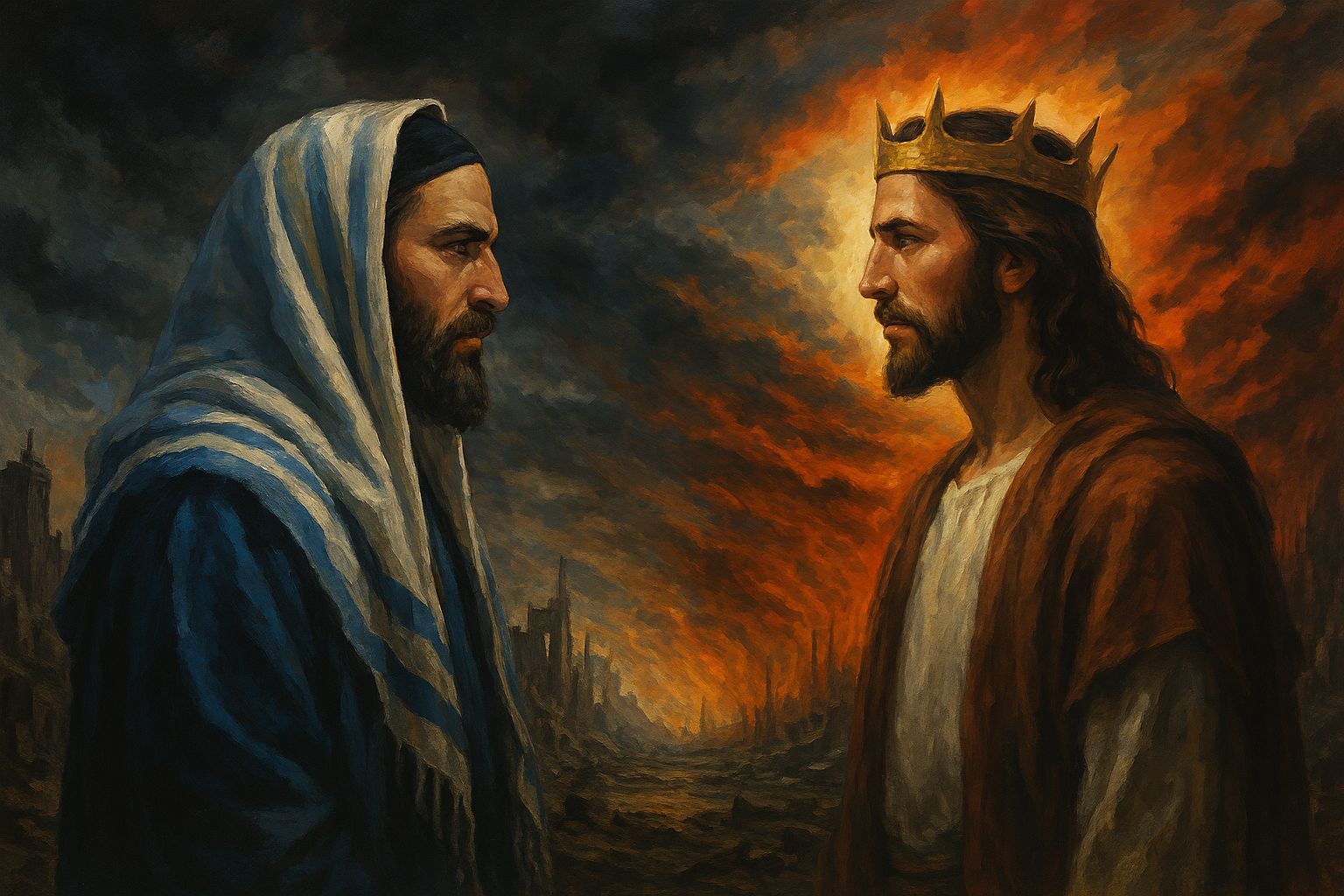
Mashiyach Nagid (Messiah the Prince)
-
Mashiyach ben Yosef (Messiah, son of Joseph)
-
Mashiyach ben David (Messiah, son of David)
-
The episode focuses on Mashiyach Nagid, with future installments to cover the other two.
4. What is Mashiyach Nagid?
-
Linguistic breakdown: “Mashiyach” means “Anointed One”; “Nagid” means “Prince” or “Leader.”
-
Scriptural foundation: Daniel 9:25-26 and its interpretations.
-
The prophecy’s implications for Jewish and Christian eschatology (1 Corinthians 13:12; Matthew 24:15-16).
5. The Meaning and Role of “Nagid”
-
“Nagid” as prince, ruler, leader, commander, or official.
-
Biblical examples: Saul, David, Solomon, Hezekiah, Abner, Azariah, and others (1 Samuel 9:16; 10:1; 13:14; 25:30; 2 Samuel 5:2; 6:21; 7:8; 1 Kings 1:35; 2 Kings 18:1; 2 Chronicles 31:13).
6. Mashiyach Nagid in Prophecy and Tradition
-
The “transitional” leader concept: Anointed but not yet king.
-
Comparison with “Melech” (King) and the Davidic Covenant (2 Samuel 7:8-16; Psalm 2:8-12; 2 Chronicles 13:5).
7. Messianic Traits and the Melchizedekian Order
-
Psalm 110 as a foundational text for the dual role of king and priest.
-
The Melchizedekian priesthood and its fulfillment in Yeshua (1 Peter 2:9; Daniel 2:44; Matthew 21:44; 1 Corinthians 15:24; Revelation 11:15).
8. Jewish Perspectives on Mashiyach Nagid
-
Views of Rashi, Ibn Ezra, and Rambam (Maimonides) on the identity and role of Mashiyach Nagid.
-
The Essenes and Qumran writings: Priestly and royal messiahs, “Prince of the Congregation” (Damascus Document, Rule of the Congregation, 11QMelchizedek).
-
Apocryphal and Talmudic references: Suffering and kingly messiahs (1 Enoch, Jubilees, Talmud).
9. Christian and Messianic Interpretations
-
Yeshua as the fulfillment of Daniel’s prophecy and the persona of Mashiyach Nagid.
-
The dual or double-fulfillment view of prophecy.
-
Jewish objections to identifying Yeshua as all three messianic figures.
10. Application and Call to Discipleship
-
The call for believers to imitate Yeshua’s character traits: suffering, triumph, priesthood, kingship, exaltation, royal lineage, and spiritual warfare (Isaiah 53; Colossians 2:15; Psalm 110; Matthew 1:1; Zechariah 14:3; 1 Peter 2:9; Revelation 20:6; 2 Corinthians 10:4-6; Ephesians 6:12-14).
-
Invitation to covenant relationship and Torah-honoring lifestyle (2 Corinthians 6:2; Isaiah 55:6-9).
References & Further Reading
Contact & Community
-
For questions or further discussion, email: perceptionwp@gmail.com
-
Leave a voice message via SpeakPipe on https://www.themessianictorahobserver.org/
Closing Blessing
Lessons Learned from the Death of Sarah-STAR-20
In our Torah Reading for this Sabbath, we read of the death of the Matriarch of our Faith, Sarah. And in our discussion, we will explore the eternal truths associated with this sad, but important story. We will touch upon the themes of loving our wives; being a sojourner in this world; burial versus cremation when caring for a deceased loved one; as well as we’ll examine many of the historic and cultural elements that are attached to this beautiful Reading. Shalom and Welcome.
When our Covenant Relationship with God is Tested-Akeida-STAR-19
This week’s Torah Reading is that of the Akeidah or the binding of Isaac. It is a story about obedience, trusting faith and the ultimate goal of the Abrahamic Covenant. We will also explore the ramifications associated with God’s testing of those whom He loves. This is one of the most important Torah Reading Discussions of the Torah Reading Cycle. Come fellowship with us and let’s discuss the Eternal Mysteries of Yah’s Eternal Words of Life.
The In’s and Out’s of Covenant-Justice and Mercy-STAR-18
Many of us view covenant as an exclusive club or culture that belongs to God’s elect and those who find themselves outside of covenant are doomed to be outside of God’s blessings and provision. But the truth of the matter is that God operates in ways that are often foreign to us and that defy how we believe God should operate. In today’s Torah Reading discussion, we discuss the in’s and out’s of covenant and how God’s justice and mercy define how He will interact with those who are in covenant versus those who are outside covenant.
Abraham and the God (Yah) Culture–Sabbath Thoughts & Reflections 15
This week’s Torah Reading touches on a number of relevant themes that include righteousness, justice, reverence, hospitality, boldness, laughter, theophanies and covenant. But the one theme that stands out most is culture. In this installment of TMTO’s Sabbath Thoughts and Reflections, we explore each of these themes, in particular the theme of culture. What is the God Culture/the Hebrew Culture? What was Abraham’s role in that Culture? And what does that culture have to do with us today?
El Shaddai-The Mothering Side of our God-STAR 14
Seems we have been indoctrinated to view God exclusively from a “Fathering” perspective. But could one of God’s revealed names be indicative of a “Mothering” side to the Creator of the Universe? In this installment of TMTO we explore and discuss the power and meaning of El Shaddai.
Yehovah-The God Who Sees-STAR 13
In our reading today, we’re led to think and reflect on the themes of:
● Trusting Faith
● Respect
● Patience & Perseverance
● Responsibility
● Honor
● The Spirit Realm Intersecting with the Physical Realm
● Promise
● Sonship
We Must Operate at Abraham’s Trusting Faith Level-So How Do We Get There? STAR 12
Today’s Torah Reading discussion will touch upon a great many themes that include operating in a trusting faith; the righteousness of Elohim; obedience to Yah’s instructions; divine protections and rewards; and the wisdom of challenging or questioning Yehovah.
Our Example of Abraham Being a Friend of God-STAR-11
The circumcised heart of an individual—contrite and broken and humble in spirit—is the one thing that captures Yah’s attention and places him or her in contention for being chosen as His friend and ultimately His child. If our heart ain’t right, we ain’t going to be chosen to enter into an obedient covenant relationship with Yehovah, much less a friend or child of His.
The Righteousness of God Rests Upon the Faithfulness of Yeshua Messiah
Indeed, the Righteousness of God is the place where faith and obedience come together through the Person and Ministry of Yahoshua Messiah. His faithful obedience to Yehovah becomes our faithful obedience, even unto death.
The Abrahamic Covenant Holds the Key to God’s Plan of Salvation-STAR 10
The Abrahamic Covenant is the essential element of this week’s Torah Reading. We find in our discussion that the Abrahamic Covenant holds the key to God’s Plan of Salvation. Shabbat Shalom.