Overview
Key Topics Covered
1. Introduction and Context
-
Greetings and setting: Recorded on the 3rd Day of the 11th biblical month, 6025 (Friday, January 16, 2026).
-
Reflection on persecution, faith, and the hope found in Yeshua’s teachings (Matthew 5:10-12; Ephesians 6:18; Matthew 5:44; Luke 6:28).
2. Why Judaism Rejects Yeshua as Messiah
-
Historical grievances and theological differences.
-
The role of Rabbinic expectations and interpretations in shaping Jewish messianic beliefs (Hebrews 2:3; Romans 3:2; Romans 11:25-26; Zechariah 12:10).
3. The Three Messiahs in Jewish Thought
-
Mashiyach Nagid (Messiah the Prince)
-
Mashiyach ben Yosef (Messiah, son of Joseph)
-
Mashiyach ben David (Messiah, son of David)
-
The episode focuses on Mashiyach Nagid, with future installments to cover the other two.
4. What is Mashiyach Nagid?
-
Linguistic breakdown: “Mashiyach” means “Anointed One”; “Nagid” means “Prince” or “Leader.”
-
Scriptural foundation: Daniel 9:25-26 and its interpretations.
-
The prophecy’s implications for Jewish and Christian eschatology (1 Corinthians 13:12; Matthew 24:15-16).
5. The Meaning and Role of “Nagid”
-
“Nagid” as prince, ruler, leader, commander, or official.
-
Biblical examples: Saul, David, Solomon, Hezekiah, Abner, Azariah, and others (1 Samuel 9:16; 10:1; 13:14; 25:30; 2 Samuel 5:2; 6:21; 7:8; 1 Kings 1:35; 2 Kings 18:1; 2 Chronicles 31:13).
6. Mashiyach Nagid in Prophecy and Tradition
-
The “transitional” leader concept: Anointed but not yet king.
-
Comparison with “Melech” (King) and the Davidic Covenant (2 Samuel 7:8-16; Psalm 2:8-12; 2 Chronicles 13:5).
7. Messianic Traits and the Melchizedekian Order
-
Psalm 110 as a foundational text for the dual role of king and priest.
-
The Melchizedekian priesthood and its fulfillment in Yeshua (1 Peter 2:9; Daniel 2:44; Matthew 21:44; 1 Corinthians 15:24; Revelation 11:15).
8. Jewish Perspectives on Mashiyach Nagid
-
Views of Rashi, Ibn Ezra, and Rambam (Maimonides) on the identity and role of Mashiyach Nagid.
-
The Essenes and Qumran writings: Priestly and royal messiahs, “Prince of the Congregation” (Damascus Document, Rule of the Congregation, 11QMelchizedek).
-
Apocryphal and Talmudic references: Suffering and kingly messiahs (1 Enoch, Jubilees, Talmud).
9. Christian and Messianic Interpretations
-
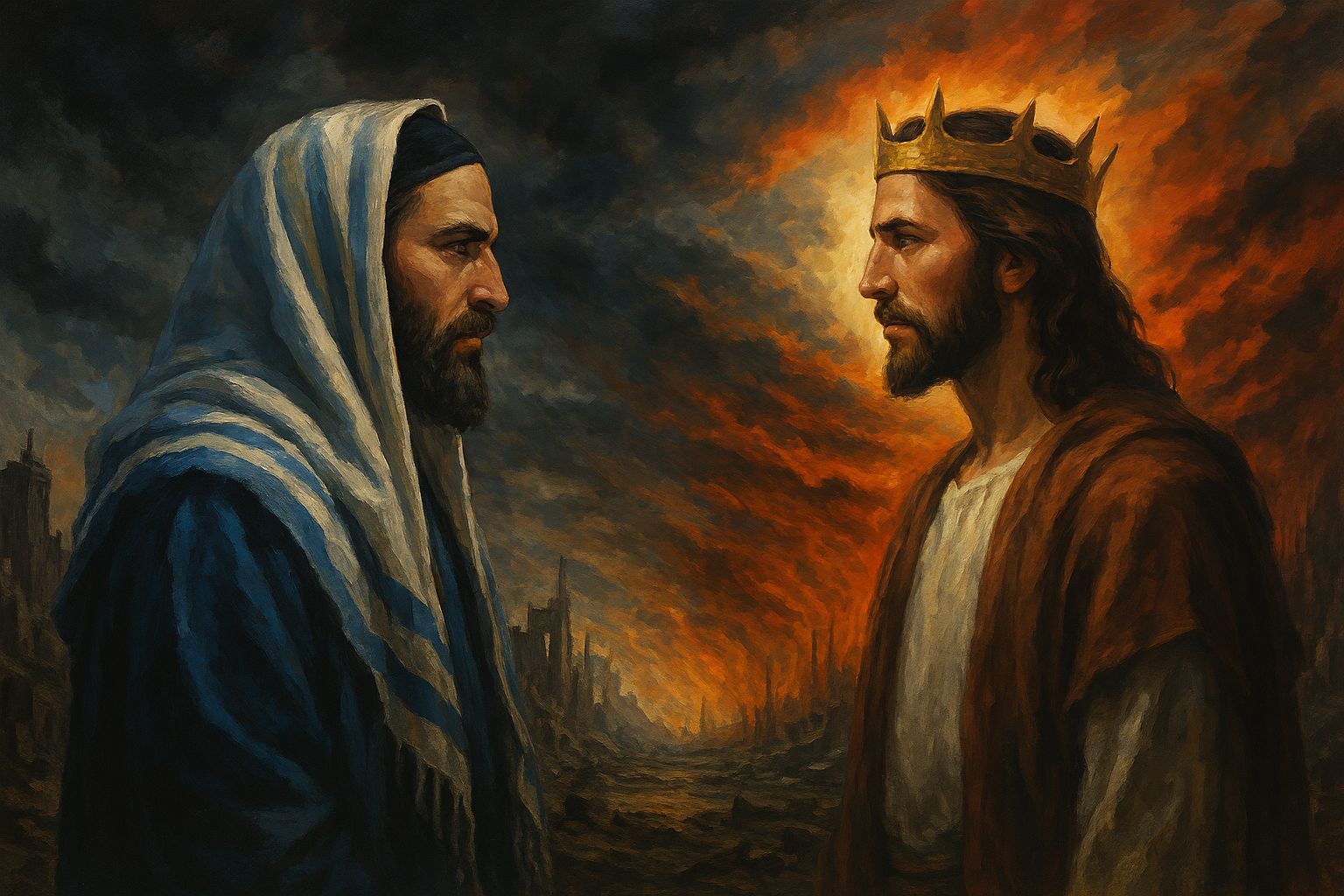
Yeshua as the fulfillment of Daniel’s prophecy and the persona of Mashiyach Nagid.
-
The dual or double-fulfillment view of prophecy.
-
Jewish objections to identifying Yeshua as all three messianic figures.
10. Application and Call to Discipleship
-
The call for believers to imitate Yeshua’s character traits: suffering, triumph, priesthood, kingship, exaltation, royal lineage, and spiritual warfare (Isaiah 53; Colossians 2:15; Psalm 110; Matthew 1:1; Zechariah 14:3; 1 Peter 2:9; Revelation 20:6; 2 Corinthians 10:4-6; Ephesians 6:12-14).
-
Invitation to covenant relationship and Torah-honoring lifestyle (2 Corinthians 6:2; Isaiah 55:6-9).
References & Further Reading
Contact & Community
-
For questions or further discussion, email: perceptionwp@gmail.com
-
Leave a voice message via SpeakPipe on https://www.themessianictorahobserver.org/
Closing Blessing
Hanukkah-Truth and Spirituality Versus Traditions of the Rabbis
Many within our Faith Community will be celebrating Hanukkah this week. But is their celebration aligned with the Truth and Spiritual Reality of the Holiday or rather on the Traditions that revolve around it.
The Towers and Nimrods of our Life that Separate us From God
This week’s Torah Reading is based upon the Tower of Babel story. This story may cause us to reflect and think about those towers in our lives that cause us to be separated from God.
As the Days of Noah Were…Sabbath Thoughts and Reflections 8
What are the implications for us of Yeshua’s prophecy that the world He would return to would be as the days of Noah were? We discuss, think and reflect. Shabbat Shalom.
The Difference Between Faith and Belief-The Righteousness of God is the Place Where Obedience and Faith Intersect-Part 3
In our continuing exploration of Shaul’s teaching on the Righteousness of God, we answer the critical question: Is there a difference between biblical “faith” and “belief? Both terms are mentioned as important elements to our receiving of God’s Righteousness.
We Serve a Covenant-Keeping Life-Giving God-STAR-7
In this week’s Torah Reading, we discuss the Truth about the Noahide Laws; the true significance of the rainbow; and the character of God that promotes life and covenant among humanity. Come study and fellowship with us. Shabbat Shalom.
And God Remembered Noah-Sabbath Thoughts & Reflections 6
This week’s Torah Reading is the story of the saving of Noah and his family brought about through God keeping covenant and manifesting His righteousness. Come study with us. Shabbat Shalom.
The Righteousness of God is the Place Where Obedience and Faith Intersect-Part 2-The Righteous Shall Live By Faith
Paul declared to the Romans that the just shall live by faith. What exactly did he mean by that statement, especially as it relates to our walk in Messiah? We discuss
How to Please God in Perilous Times-Lessons from the Life of Noah-STAR-5
Noah pleased God in one of the most wicked periods of human history. What was it about Noah that pleased God? His story is the key to our pleasing God in these perilous times and we discuss in this installment of TMTO STAR.
Forbidden Messianic Titles and Roles for the Body of Messiah
This is "Forbidden Messianic Titles and Roles for the Body of Messiah." And this discussion is within the purview of the central theme for this ministry: "Yeshua-focused Torah Living." We are all about promoting the Netzari Faith that was once delivered to the...
What it Means to Walk with God? STAR-4
Today’s discussion is entitled: “What it Means to Walk with God;” it is a Messianic Discussion of the 4th Parashah in the 3-year Torah Reading Cycle. Our discussion text for this Shabbat will be Genesis 5:1-6:8. I will be reading and commenting from the...