Overview
Key Topics Covered
1. Introduction and Context
-
Greetings and setting: Recorded on the 3rd Day of the 11th biblical month, 6025 (Friday, January 16, 2026).
-
Reflection on persecution, faith, and the hope found in Yeshua’s teachings (Matthew 5:10-12; Ephesians 6:18; Matthew 5:44; Luke 6:28).
2. Why Judaism Rejects Yeshua as Messiah
-
Historical grievances and theological differences.
-
The role of Rabbinic expectations and interpretations in shaping Jewish messianic beliefs (Hebrews 2:3; Romans 3:2; Romans 11:25-26; Zechariah 12:10).
3. The Three Messiahs in Jewish Thought
-
Mashiyach Nagid (Messiah the Prince)
-
Mashiyach ben Yosef (Messiah, son of Joseph)
-
Mashiyach ben David (Messiah, son of David)
-
The episode focuses on Mashiyach Nagid, with future installments to cover the other two.
4. What is Mashiyach Nagid?
-
Linguistic breakdown: “Mashiyach” means “Anointed One”; “Nagid” means “Prince” or “Leader.”
-
Scriptural foundation: Daniel 9:25-26 and its interpretations.
-
The prophecy’s implications for Jewish and Christian eschatology (1 Corinthians 13:12; Matthew 24:15-16).
5. The Meaning and Role of “Nagid”
-
“Nagid” as prince, ruler, leader, commander, or official.
-
Biblical examples: Saul, David, Solomon, Hezekiah, Abner, Azariah, and others (1 Samuel 9:16; 10:1; 13:14; 25:30; 2 Samuel 5:2; 6:21; 7:8; 1 Kings 1:35; 2 Kings 18:1; 2 Chronicles 31:13).
6. Mashiyach Nagid in Prophecy and Tradition
-
The “transitional” leader concept: Anointed but not yet king.
-
Comparison with “Melech” (King) and the Davidic Covenant (2 Samuel 7:8-16; Psalm 2:8-12; 2 Chronicles 13:5).
7. Messianic Traits and the Melchizedekian Order
-
Psalm 110 as a foundational text for the dual role of king and priest.
-
The Melchizedekian priesthood and its fulfillment in Yeshua (1 Peter 2:9; Daniel 2:44; Matthew 21:44; 1 Corinthians 15:24; Revelation 11:15).
8. Jewish Perspectives on Mashiyach Nagid
-
Views of Rashi, Ibn Ezra, and Rambam (Maimonides) on the identity and role of Mashiyach Nagid.
-
The Essenes and Qumran writings: Priestly and royal messiahs, “Prince of the Congregation” (Damascus Document, Rule of the Congregation, 11QMelchizedek).
-
Apocryphal and Talmudic references: Suffering and kingly messiahs (1 Enoch, Jubilees, Talmud).
9. Christian and Messianic Interpretations
-
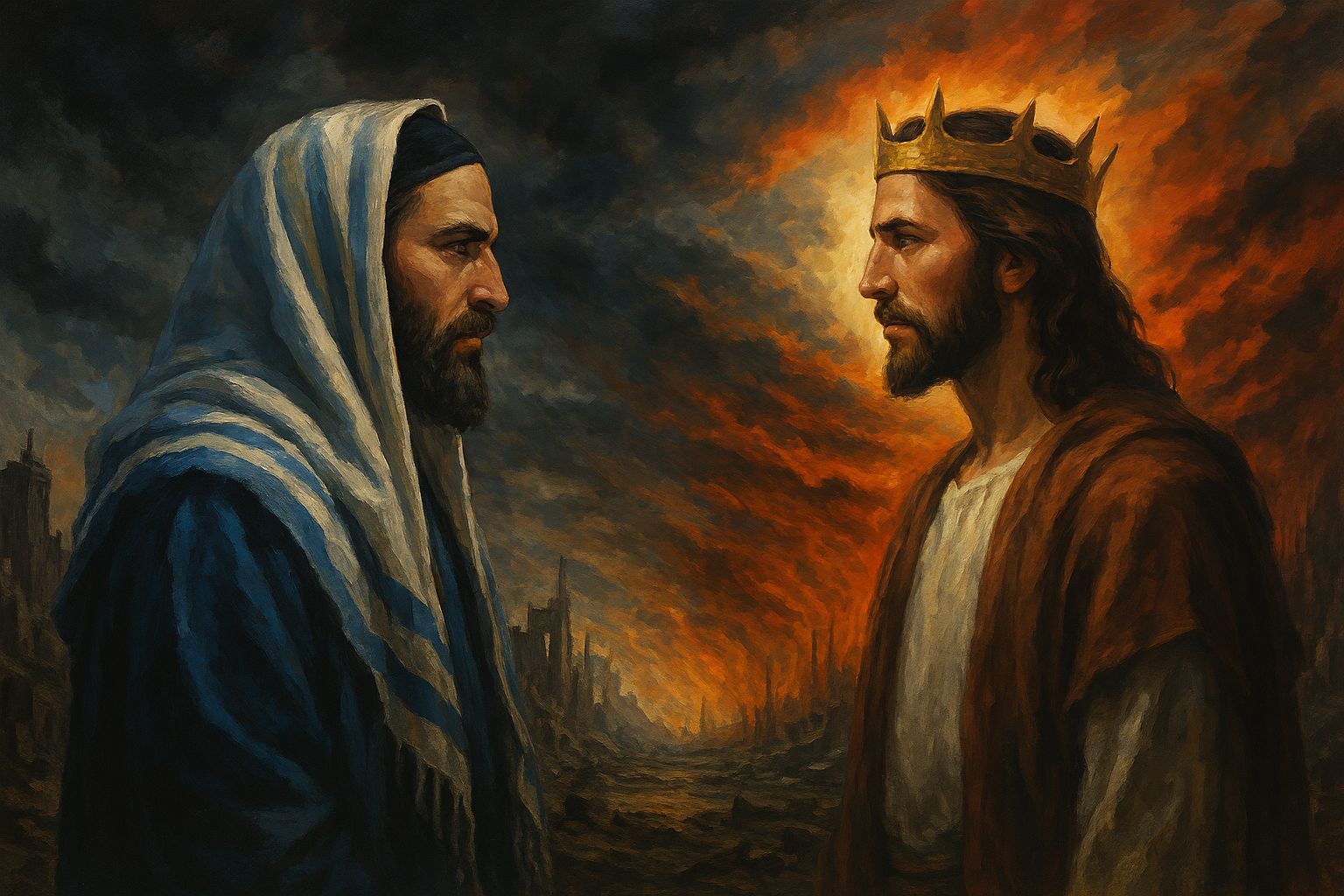
Yeshua as the fulfillment of Daniel’s prophecy and the persona of Mashiyach Nagid.
-
The dual or double-fulfillment view of prophecy.
-
Jewish objections to identifying Yeshua as all three messianic figures.
10. Application and Call to Discipleship
-
The call for believers to imitate Yeshua’s character traits: suffering, triumph, priesthood, kingship, exaltation, royal lineage, and spiritual warfare (Isaiah 53; Colossians 2:15; Psalm 110; Matthew 1:1; Zechariah 14:3; 1 Peter 2:9; Revelation 20:6; 2 Corinthians 10:4-6; Ephesians 6:12-14).
-
Invitation to covenant relationship and Torah-honoring lifestyle (2 Corinthians 6:2; Isaiah 55:6-9).
References & Further Reading
Contact & Community
-
For questions or further discussion, email: perceptionwp@gmail.com
-
Leave a voice message via SpeakPipe on https://www.themessianictorahobserver.org/
Closing Blessing
Jews Before Gentiles?
Today’s discussion is entitled, “Jews Before Gentiles? How Does that Work?” And the biblical basis for our discussion this evening is found in Romans 1:16 which reads: 16 For I am not ashamed of the gospel of Christ: for it is the power of God unto salvation...
Torah Reading 46–Ekev (Because)–A Focus on the Kingdom of God
Highlights and Comments Shalom Saints. This week's Torah Reading is entitled, "Ekev," or "Because." The portion covers Deuteronomy 7:12-11:25. I wish to share with you some of my thoughts and reflections on the many life truths that I drew from my study of this...
To Whom Do You Pray?
Who do you pray to and worship and give thanks? Yeshua? YHVH? Both? Is it Biblical to pray to and worship Yeshua as so many Christians routinely do? In this installment of the Messianic Torah Observer, we will continue our review of the Book of Romans and Paul's...
Messianic Sainthood–Paul and the Book of Romans
Paul Calls His Roman Readers Saints. What Gives? Our next challenging Pauline passage of the Book of Romans is found in chapter 1 verse 7 and it reads as such: "To all those in Rome who are loved by G-d and called to be saints: Grace to you and peace from G-d our...
Chevra Kadisha-Honoring the Jewish Dead
An Intriguing Article I recently became intrigued by an article I came across on the "My Jewish Learning" website. The article was entitled: "Chevra Kadisha or Jewish Burial Society." It was written by a Rabbi Joseph Telushkin. And yes: I do from time to time visit...
Guarding the Righteous Heart–The Breastplate of Righteousness–Paul and Hebrew Roots Series
How does the Child of Yah put on and use the Breastplate of Righteousness? Yeshua taught us how and we discuss in detail how to don and use this vital piece of spiritual armor: The Breastplate of Righteousness.
Putting on God’s Image-The Belt of Truth-Part 1 of the Armor of God Series
Ephesians 6:11-18—The Armor of Yah Famous passage of Scripture that most evangelical and fundamental Christians know and understand from a denominational standpoint. In fact, whole ministries have been launched and based upon this passage alone. And the focus seems...
Living the Life of a Priest of God–Yeshua-focused Torah Discussion–Torah Reading 91
Living the Life of a Priest of God (of Yah)--Torah Reading 91 Leviticus 21 Ezekiel 44:25-31 Luke 11:30-44 ________________________________________________________ Leviticus 21--Section Verse Study--Laws Concerning the Levitical Priests Know that you are special in...
Is Torah-Keeping Necessary For Salvation?
This week’s Torah Reading is about the Holiness Codes that Father provided to the Hebrews in order that they be set-apart from the nations of the world. These holiness codes remain in effect for every disciple of Yeshua and are of salvific expediency.
Obedience Versus Faith–Paul and the Book of Romans Series
Link to My Post Entitled: Messianic Duty During Times of Global Crises. This is Obedience Versus Faith--Part 18 of Our Paul and Hebrew Roots Series In preparing to discuss our next challenging Romans’ passage—1:16—I happened upon 1:5: an equally challenging passage...