Overview
Key Topics Covered
1. Introduction and Context
-
Greetings and setting: Recorded on the 3rd Day of the 11th biblical month, 6025 (Friday, January 16, 2026).
-
Reflection on persecution, faith, and the hope found in Yeshua’s teachings (Matthew 5:10-12; Ephesians 6:18; Matthew 5:44; Luke 6:28).
2. Why Judaism Rejects Yeshua as Messiah
-
Historical grievances and theological differences.
-
The role of Rabbinic expectations and interpretations in shaping Jewish messianic beliefs (Hebrews 2:3; Romans 3:2; Romans 11:25-26; Zechariah 12:10).
3. The Three Messiahs in Jewish Thought
-
Mashiyach Nagid (Messiah the Prince)
-
Mashiyach ben Yosef (Messiah, son of Joseph)
-
Mashiyach ben David (Messiah, son of David)
-
The episode focuses on Mashiyach Nagid, with future installments to cover the other two.
4. What is Mashiyach Nagid?
-
Linguistic breakdown: “Mashiyach” means “Anointed One”; “Nagid” means “Prince” or “Leader.”
-
Scriptural foundation: Daniel 9:25-26 and its interpretations.
-
The prophecy’s implications for Jewish and Christian eschatology (1 Corinthians 13:12; Matthew 24:15-16).
5. The Meaning and Role of “Nagid”
-
“Nagid” as prince, ruler, leader, commander, or official.
-
Biblical examples: Saul, David, Solomon, Hezekiah, Abner, Azariah, and others (1 Samuel 9:16; 10:1; 13:14; 25:30; 2 Samuel 5:2; 6:21; 7:8; 1 Kings 1:35; 2 Kings 18:1; 2 Chronicles 31:13).
6. Mashiyach Nagid in Prophecy and Tradition
-
The “transitional” leader concept: Anointed but not yet king.
-
Comparison with “Melech” (King) and the Davidic Covenant (2 Samuel 7:8-16; Psalm 2:8-12; 2 Chronicles 13:5).
7. Messianic Traits and the Melchizedekian Order
-
Psalm 110 as a foundational text for the dual role of king and priest.
-
The Melchizedekian priesthood and its fulfillment in Yeshua (1 Peter 2:9; Daniel 2:44; Matthew 21:44; 1 Corinthians 15:24; Revelation 11:15).
8. Jewish Perspectives on Mashiyach Nagid
-
Views of Rashi, Ibn Ezra, and Rambam (Maimonides) on the identity and role of Mashiyach Nagid.
-
The Essenes and Qumran writings: Priestly and royal messiahs, “Prince of the Congregation” (Damascus Document, Rule of the Congregation, 11QMelchizedek).
-
Apocryphal and Talmudic references: Suffering and kingly messiahs (1 Enoch, Jubilees, Talmud).
9. Christian and Messianic Interpretations
-
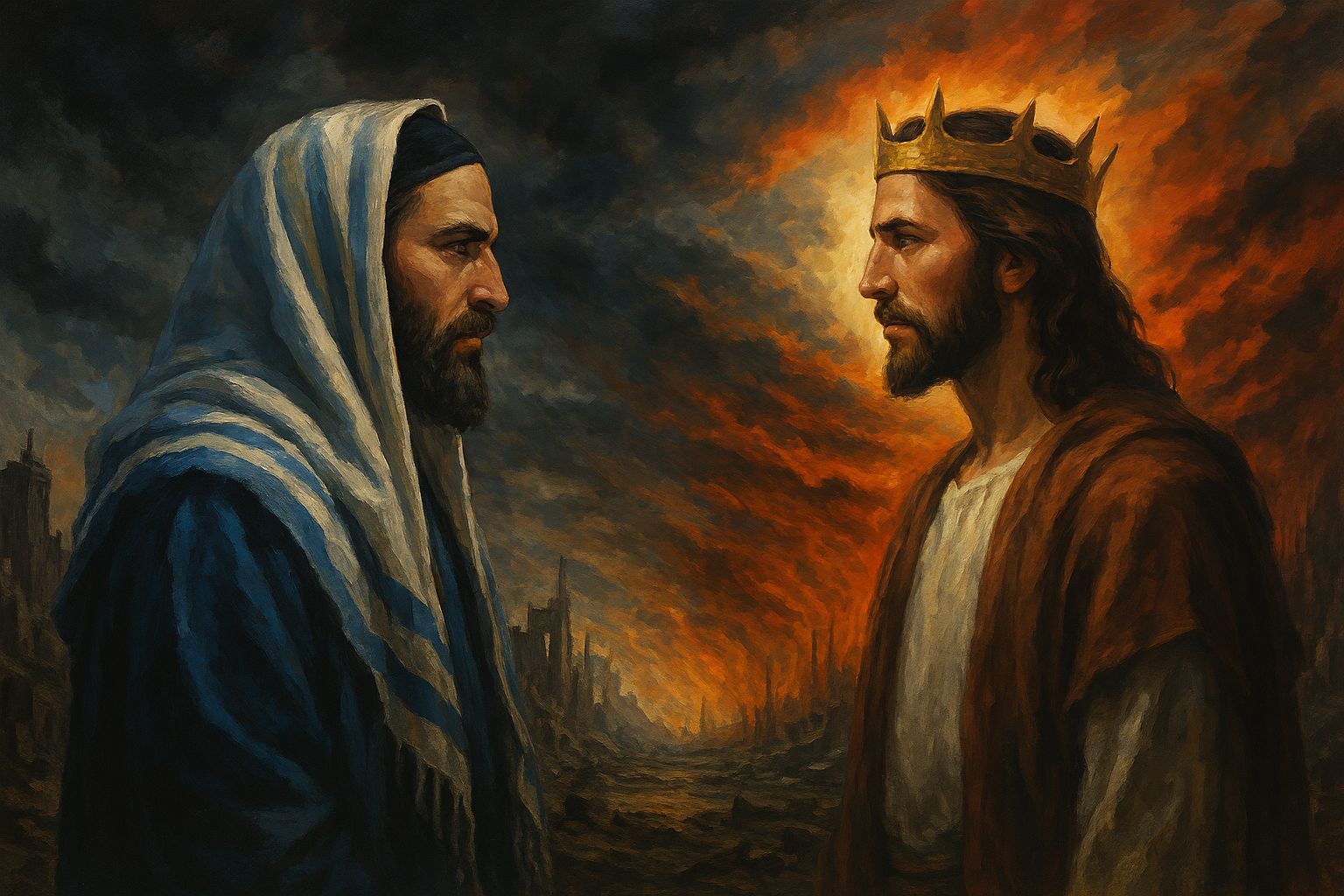
Yeshua as the fulfillment of Daniel’s prophecy and the persona of Mashiyach Nagid.
-
The dual or double-fulfillment view of prophecy.
-
Jewish objections to identifying Yeshua as all three messianic figures.
10. Application and Call to Discipleship
-
The call for believers to imitate Yeshua’s character traits: suffering, triumph, priesthood, kingship, exaltation, royal lineage, and spiritual warfare (Isaiah 53; Colossians 2:15; Psalm 110; Matthew 1:1; Zechariah 14:3; 1 Peter 2:9; Revelation 20:6; 2 Corinthians 10:4-6; Ephesians 6:12-14).
-
Invitation to covenant relationship and Torah-honoring lifestyle (2 Corinthians 6:2; Isaiah 55:6-9).
References & Further Reading
Contact & Community
-
For questions or further discussion, email: perceptionwp@gmail.com
-
Leave a voice message via SpeakPipe on https://www.themessianictorahobserver.org/
Closing Blessing
The Niddah Laws–Still in Effect Today ?
The Question of Niddah One question that seems to pop-up a lot from members of our Faith Community has to do with the Laws related to Niddah. Are the laws of Niddah still valid for today’s Torah Observant Disciples of Yeshua Messiah? And in case you aren’t familiar...
Mark of the Beast: What Are You Going To Do When They Come For You?
The world’s power-brokers are suggesting implementing a tracking mark to distinguish those immune to the current virus from those not. Mark of the Beast? What will you do when they come for you?
The Feast of Unleavened Bread: A Ridiculously Long Week
My Struggle With Time One of the many things I struggle with in this life is the issue of time.Time is an enemy. It is often stressful. There never seems to be enough of it to go around. Time moves by so swiftly. And I often find myself fearful of wasting it; losing...
Our First Passover–An Overview of the First Passover Exodus Chapters 1 through 12
Exodus 1 70 blood relative of Jacob enter Egypt-->Joseph dies as well as the Patriarchs. Israelites grow in number. A pharaoh who did not know Joseph enslaves the Hebrews, yet the Hebrews flourish in number. Pharaoh orders every male infant be cast into the...
Sins Committed by Mistakes are Still Sins–Torah Reading 77
Vayikra 4:1-35; Ezekiel 18:1-18 Revelation 5:6-10 Unintentional Sins Unintentional sin may be better defined as acts of unfaithfulness; sins committed without knowledge; or sins resulting from carelessness (such as manslaughter that may result in the guilty person...
Rosh Hashanah Happy Biblical New Year and Guarding the Month Aviv
The Command to Guard the Month of the Aviv First Day of the Month of the Aviv and the head of the Biblical New Year--Rosh Hashanah; Month of Nisan in Jewish circles. We must first understand what it is we're guarding. Why is it important? What it's composed of. We...
The Coronavirus Pandemic in Relation to God’s People
Fear and uncertainty has gripped the world. Widespread infections (Italy just announced 600+ deaths in one day; politicians and celebrities infected) Civil liberties are at risk of being severely curtailed or eliminated altogether. Personal and business incomes and...
The Brazen Laver–The Anointing Oil–Sacred Perfume–Messianic Reflections on Torah Reading 68
The Brazen Laver The Brazen Laver would sit between the Tabernacle and Brazen Altar. The Levitical Priests would be required to wash their hands and feet prior to entering the Tabernacle or facilitating/tending to the sacrificial offerings on the Brazen Altar...
The Significance of the Half-Shekel Ransom Offering to Messianics Today–Reflections on Torah Reading #68
The commandment given to the Hebrews by YHVH that they give a half-shekel ransom offering at the time of census holds tremendous prophetic and spiritual significance for today’s Messianic.
Living Deceptively in the Service of God Results in Shame and Disgrace All Around–Reflections on Malachi 1:11-2:7
YHVH Outs His Chosen Ones Because the nation had despised the true worship of YHVH, YHVH Tzva'ot informed the Hebrews that their failure to properly worship Him as He had prescribed would not be ignored. Despite the people's outward deceptiveness in worship of YHVH,...