Overview
Key Topics Covered
1. Introduction and Context
-
Greetings and setting: Recorded on the 3rd Day of the 11th biblical month, 6025 (Friday, January 16, 2026).
-
Reflection on persecution, faith, and the hope found in Yeshua’s teachings (Matthew 5:10-12; Ephesians 6:18; Matthew 5:44; Luke 6:28).
2. Why Judaism Rejects Yeshua as Messiah
-
Historical grievances and theological differences.
-
The role of Rabbinic expectations and interpretations in shaping Jewish messianic beliefs (Hebrews 2:3; Romans 3:2; Romans 11:25-26; Zechariah 12:10).
3. The Three Messiahs in Jewish Thought
-
Mashiyach Nagid (Messiah the Prince)
-
Mashiyach ben Yosef (Messiah, son of Joseph)
-
Mashiyach ben David (Messiah, son of David)
-
The episode focuses on Mashiyach Nagid, with future installments to cover the other two.
4. What is Mashiyach Nagid?
-
Linguistic breakdown: “Mashiyach” means “Anointed One”; “Nagid” means “Prince” or “Leader.”
-
Scriptural foundation: Daniel 9:25-26 and its interpretations.
-
The prophecy’s implications for Jewish and Christian eschatology (1 Corinthians 13:12; Matthew 24:15-16).
5. The Meaning and Role of “Nagid”
-
“Nagid” as prince, ruler, leader, commander, or official.
-
Biblical examples: Saul, David, Solomon, Hezekiah, Abner, Azariah, and others (1 Samuel 9:16; 10:1; 13:14; 25:30; 2 Samuel 5:2; 6:21; 7:8; 1 Kings 1:35; 2 Kings 18:1; 2 Chronicles 31:13).
6. Mashiyach Nagid in Prophecy and Tradition
-
The “transitional” leader concept: Anointed but not yet king.
-
Comparison with “Melech” (King) and the Davidic Covenant (2 Samuel 7:8-16; Psalm 2:8-12; 2 Chronicles 13:5).
7. Messianic Traits and the Melchizedekian Order
-
Psalm 110 as a foundational text for the dual role of king and priest.
-
The Melchizedekian priesthood and its fulfillment in Yeshua (1 Peter 2:9; Daniel 2:44; Matthew 21:44; 1 Corinthians 15:24; Revelation 11:15).
8. Jewish Perspectives on Mashiyach Nagid
-
Views of Rashi, Ibn Ezra, and Rambam (Maimonides) on the identity and role of Mashiyach Nagid.
-
The Essenes and Qumran writings: Priestly and royal messiahs, “Prince of the Congregation” (Damascus Document, Rule of the Congregation, 11QMelchizedek).
-
Apocryphal and Talmudic references: Suffering and kingly messiahs (1 Enoch, Jubilees, Talmud).
9. Christian and Messianic Interpretations
-
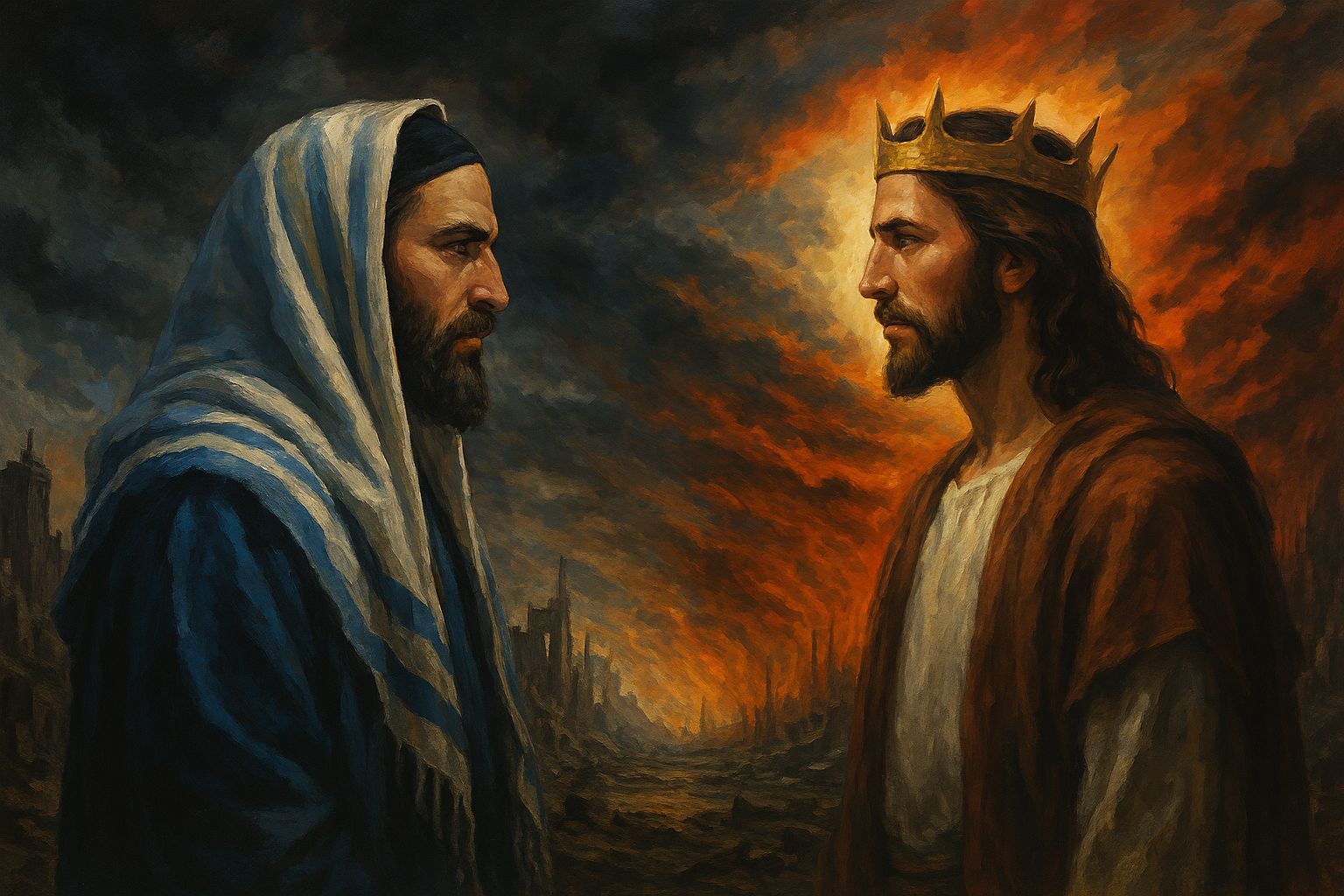
Yeshua as the fulfillment of Daniel’s prophecy and the persona of Mashiyach Nagid.
-
The dual or double-fulfillment view of prophecy.
-
Jewish objections to identifying Yeshua as all three messianic figures.
10. Application and Call to Discipleship
-
The call for believers to imitate Yeshua’s character traits: suffering, triumph, priesthood, kingship, exaltation, royal lineage, and spiritual warfare (Isaiah 53; Colossians 2:15; Psalm 110; Matthew 1:1; Zechariah 14:3; 1 Peter 2:9; Revelation 20:6; 2 Corinthians 10:4-6; Ephesians 6:12-14).
-
Invitation to covenant relationship and Torah-honoring lifestyle (2 Corinthians 6:2; Isaiah 55:6-9).
References & Further Reading
Contact & Community
-
For questions or further discussion, email: perceptionwp@gmail.com
-
Leave a voice message via SpeakPipe on https://www.themessianictorahobserver.org/
Closing Blessing
The Golden Altar of Incense–The Ministries of Yeshua Messiah and the Prayers of the Saints–Torah Reading 67
Welcome back my friend to our discussion on this week’s Torah Reading from the Triennial Torah Reading cycle. This week’s reading is found in Shemot (Exodus) 30:1-10. I’ve entitled this study: “The Golden Altar of Incense--The Heavenly Ministry of Yeshua Messiah and...
Plans for Consecrating the Levitical Priesthood and What it Means to Messianics Today
The consecration of the Levitical Priesthood as featured in this week’s Torah Reading foreshadowed the role we–Messianics-are appointed to fulfill as Melchizedekian Priests under the High Priesthood of Yeshua Messiah.
Reflections on Torah Reading 65–The Garments of the Levitical Priests
Parashah 65--"You are to order…"--Shemot 27:20-28:43 Focus Must Guide Our Study of Torah As with any study of Torah, the true disciple of Y’shua haMashiyach considers the contents contained therein from a Messianic—Yeshua-centric—Yeshua-focused perspective. How do we...
Can Messianics Attend Same-Sex Weddings and Similar Social Events?
Often we’re asked to attend same-sex weddings and similar social events. But are we permitted to attend and participate in such social activities as disciples of Yeshua Messiah? We discuss this critical issue in this installment of TMTO.
Praying in the Spirit-Part-3 of a Series on Messianic Prayer Life
Shalom Saints! In today’s post, we’re going to look at a central Truth or component to effectual prayer. And that central Truth of effectual prayer has to do with “Praying in the Spirit.”
Fashioning the Elements of the Tabernacle-Torah Reading 64 (Triennial Reading Cycle)
This week’s Torah Reading/Portion, #64, focused on the elements of the Tabernacle. We examine those elements from its Messiah/Mashiyach foreshadowing.
Hanukkah and the Torah Observant Believer in Yeshua Messiah Recast
A Recast of a Previously Published Discussion on Hanukkah and the Torah Observant Believer in Yeshua Messiah Today's installment of TMTO will be, what I will call, a "recast." It's a "recasting" or a "re-purposing" of a previous posting I did regarding Hanukkah. As...
The Book of the Covenant Versus Book of the Law Controversy–A Study of Torah Reading 62
In this study of Torah Reading 62, we examine the Book of the Law versus Book of the Covenant Controversy that has made its way through the Hebrew Roots and Messianic Community.
Usury-Interest According to God (YHVH)
The Practice of Usury Prohibited How does God/YHVH rule on the practice of usury or exacting of interest on monetary loans by His elect? We find in Torah Reading 61 (according to our “triennial reading cycle-- Torah Reading 61--Exodus 22:25-31 ) the prohibition...
The Critical Role Faith Play in the Prayer Life of a Messianic
The prayer lives of many members in the Hebrew Roots-Messianic Community are ineffective and have little to no associated power. In this installment of TMTO, we look at the role faith places in a Netzari’s prayer life and how faith can transform our prayers, when properly aligned with God’s Word and His Holy Spirit, into a powerful and effective tool for the Body of Messiah.