Overview
Key Topics Covered
1. Introduction and Context
-
Greetings and setting: Recorded on the 3rd Day of the 11th biblical month, 6025 (Friday, January 16, 2026).
-
Reflection on persecution, faith, and the hope found in Yeshua’s teachings (Matthew 5:10-12; Ephesians 6:18; Matthew 5:44; Luke 6:28).
2. Why Judaism Rejects Yeshua as Messiah
-
Historical grievances and theological differences.
-
The role of Rabbinic expectations and interpretations in shaping Jewish messianic beliefs (Hebrews 2:3; Romans 3:2; Romans 11:25-26; Zechariah 12:10).
3. The Three Messiahs in Jewish Thought
-
Mashiyach Nagid (Messiah the Prince)
-
Mashiyach ben Yosef (Messiah, son of Joseph)
-
Mashiyach ben David (Messiah, son of David)
-
The episode focuses on Mashiyach Nagid, with future installments to cover the other two.
4. What is Mashiyach Nagid?
-
Linguistic breakdown: “Mashiyach” means “Anointed One”; “Nagid” means “Prince” or “Leader.”
-
Scriptural foundation: Daniel 9:25-26 and its interpretations.
-
The prophecy’s implications for Jewish and Christian eschatology (1 Corinthians 13:12; Matthew 24:15-16).
5. The Meaning and Role of “Nagid”
-
“Nagid” as prince, ruler, leader, commander, or official.
-
Biblical examples: Saul, David, Solomon, Hezekiah, Abner, Azariah, and others (1 Samuel 9:16; 10:1; 13:14; 25:30; 2 Samuel 5:2; 6:21; 7:8; 1 Kings 1:35; 2 Kings 18:1; 2 Chronicles 31:13).
6. Mashiyach Nagid in Prophecy and Tradition
-
The “transitional” leader concept: Anointed but not yet king.
-
Comparison with “Melech” (King) and the Davidic Covenant (2 Samuel 7:8-16; Psalm 2:8-12; 2 Chronicles 13:5).
7. Messianic Traits and the Melchizedekian Order
-
Psalm 110 as a foundational text for the dual role of king and priest.
-
The Melchizedekian priesthood and its fulfillment in Yeshua (1 Peter 2:9; Daniel 2:44; Matthew 21:44; 1 Corinthians 15:24; Revelation 11:15).
8. Jewish Perspectives on Mashiyach Nagid
-
Views of Rashi, Ibn Ezra, and Rambam (Maimonides) on the identity and role of Mashiyach Nagid.
-
The Essenes and Qumran writings: Priestly and royal messiahs, “Prince of the Congregation” (Damascus Document, Rule of the Congregation, 11QMelchizedek).
-
Apocryphal and Talmudic references: Suffering and kingly messiahs (1 Enoch, Jubilees, Talmud).
9. Christian and Messianic Interpretations
-
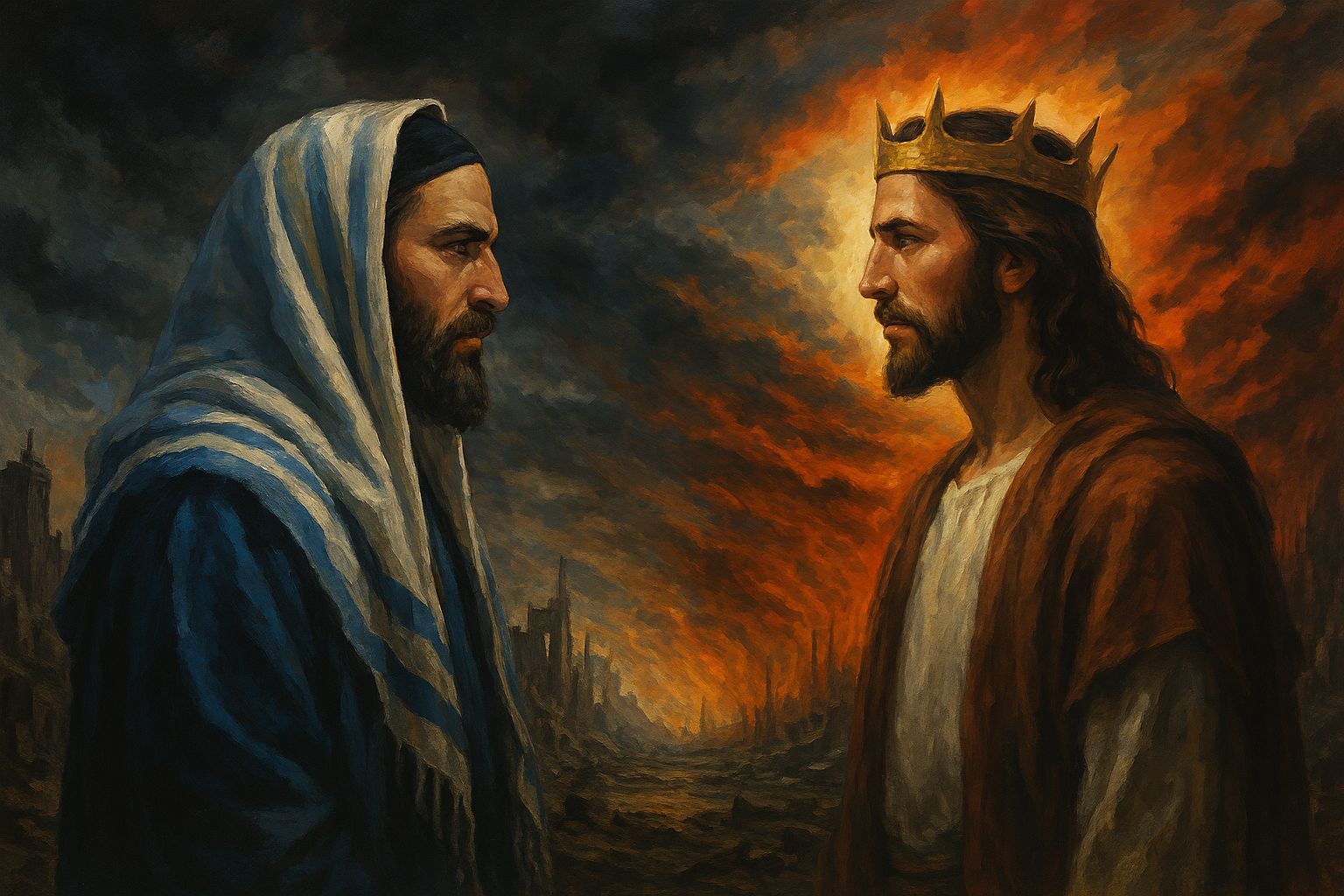
Yeshua as the fulfillment of Daniel’s prophecy and the persona of Mashiyach Nagid.
-
The dual or double-fulfillment view of prophecy.
-
Jewish objections to identifying Yeshua as all three messianic figures.
10. Application and Call to Discipleship
-
The call for believers to imitate Yeshua’s character traits: suffering, triumph, priesthood, kingship, exaltation, royal lineage, and spiritual warfare (Isaiah 53; Colossians 2:15; Psalm 110; Matthew 1:1; Zechariah 14:3; 1 Peter 2:9; Revelation 20:6; 2 Corinthians 10:4-6; Ephesians 6:12-14).
-
Invitation to covenant relationship and Torah-honoring lifestyle (2 Corinthians 6:2; Isaiah 55:6-9).
References & Further Reading
Contact & Community
-
For questions or further discussion, email: perceptionwp@gmail.com
-
Leave a voice message via SpeakPipe on https://www.themessianictorahobserver.org/
Closing Blessing
STAR 15–Understanding the Bible Part 3–A Question of Inspiration or Perspiration
Understanding the Bible Part 3—A Question of Inspiration or Perspiration What is the Bible? As it relates to the Bible, how many of you have heard the Bible described and labeled as the Holy Bible? What about the bible as the “unadulterated Word of God?” How bout...
STAR 12–Understanding the Bible Part 2 (Why Should Believers Read Their Bibles)
Understanding the Bible Part 2--Why Should Believers Read the Bible? Opening Scripture Passage: Hos 4:1-6 KJV The Moedim Conference--United in Torah--May 1-3, 2015 in San Diego, CA. Featured Guests: Psalmstress Elisha Rico Cortes--Founder Wisdom in Torah Ministries...
Torah Living 50–Understanding the Bible (Is the Church Suffering from Biblical Illiteracy?)
Introduction What is the bible? Some would contend the bible to be the “unadulterated Word of God.” Others would similarly contend that the bible is NOT the word of God per se, but rather it contains the Word of God. Others would say that it is an instruction manual...
STAR 11–Understanding the Bible or Is the Church Suffering from Biblical Illiteracy?
Understanding the Bible Part 1--Is the Church Suffering from Biblical Illiteracy? What is the bible? Some would contend the bible to be the “unadulterated Word of God.” Others would similarly contend that the bible is NOT the word of God per se, but rather it contains...
Sabbath Thoughts & Reflections 10–The Day of Firstfruits or the Wave Sheaf Offering
9 ¶ Then the LORD spoke to Moses, saying, 10 "Speak to the sons of Israel, and say to them, 'When you enter the land which I am going to give to you and areap its harvest, then you shall bring in the sheaf of the first fruits of your harvest to the priest....
Torah Living 49–The Day of Firstfruits or the Wave Sheaf Offering
Yom Bikkurim or the Day of Firstfruits This Feast of Firstfruits in Hebrew is referred to as Yom HaBikkurim (meaning the Day of the First ripe fruits of a crop) or the Day of the Wave Sheaf. On this day, the cohen (aka priests) would wave a sheaf of the first fruits...
Mentally Preparing for Passover
6 aYour boasting is not good. bDo you not know that ca little leaven leavens the whole lump of dough?7 Clean out the old leaven, that you may be a new lump, just as you are in fact unleavened. For Christ our aPassover also has been sacrificed.8 Let us therefore...
STAR 8–Preparing for Passover Mentally, Physically and Spiritually
Preparing for Passover Mentally, Physically and Spiritually Preparation is a key factor in getting the fullest possible spiritual, cognitive and physical benefit from the Feasts. Failure to adequately prepare in every aspect of our being could lead to a less-than...
Because you are Obedient Part 3–Forgetting Yehovah
Picking up in Chapter 8, verse 11, we find that we are commanded not to forget Yehovah our Elohim. The passage reads: 11"Beware lest you aforget the LORD your God by not keeping His commandments and His ordinances and His statutes which I am commanding you today;...
Because you are Obedient to Torah Part 2
Picking up from the previous section of Deuteronomy 7:12-8:10: 7:12--there is a 3-part requirement related to Torah observance: (1) listen (i.e., to shama or to hear); (2) keep (i.e., to watch and preserve); and (3) obey (i.e., to do them). What we have here is a...