Clean or Unclean? The Torah's Call to Set-Apart Living. My Sabbath Thoughts and Reflections on Torah Reading Tazria-Metzorah
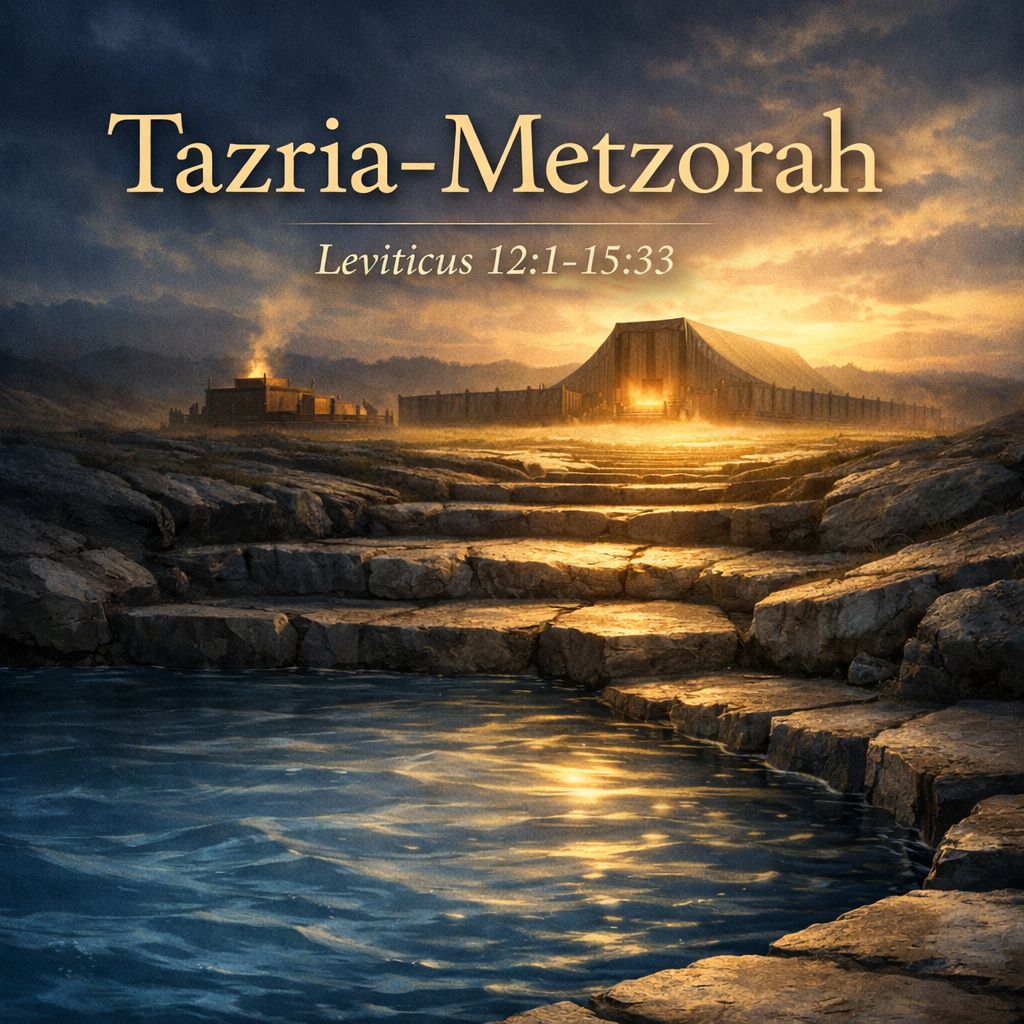
Episode: Torah Reading Tazria–Metzorah — Clean or Unclean? The Torah’s Call to Set-Apart Living
Summary: In this installment of the Messianic Torah Observer, I reflect on Torah Reading Tazria–Metzorah (Leviticus 12:1–15:33), exploring the Torah’s purity standards and how they point beyond the physical to enduring spiritual principles. Using the themes of childbirth, tzaraat (“leprosy”), and bodily flows, this teaching highlights how holiness is protected, how cleansing and restoration work, and how Yeshua refocuses defilement from external ritual concerns to the heart (Matthew 15:10–20). I close this episode with practical encouragement to pursue both physical stewardship and deeper spiritual cleanness as temples of Yehovah’s presence.
In this episode:
- Overview of Tazria–Metzorah and its three major sections (childbirth, tzaraat, bodily flows)
- Why purity standards matter: holiness, community, and access to Yehovah’s presence
- Hygienic and ritual purposes: not mutually exclusive
- The priesthood’s role: examining, diagnosing, declaring clean/unclean, mediating restoration
- Quarantine, “seventh day” separation, and “eighth day” restoration as a pattern of new beginnings
- Cleansing, atonement, and water immersion as recurring Torah themes
- How to apply “out-of-commission” Torah instructions today through spirit-and-truth principles
- Sin as the deeper parallel to impurity; protecting the set-apart community from “leaven”
- Yeshua’s teaching: defilement proceeds from the heart (Matthew 15:10–20)
- Practical encouragement: maintain the body as a temple and pursue spiritual, emotional, mental cleanness
Scripture references mentioned:
- Leviticus 12:1–8 (childbirth and purification)
- Leviticus 13:1–14:32 (tzaraat / “leprosy”)
- Leviticus 15:1–33 (bodily flows)
- Exodus 19:5–6 (treasured possession; priestly kingdom; holy nation)
- Leviticus 19:2; 1 Peter 1:16 (be holy as He is holy)
- Isaiah 55:8 (His ways/thoughts above ours)
- Matthew 5:18; Matthew 5:20 (Torah enduring; righteousness)
- Matthew 6:33 (seek first the Kingdom)
- John 4:23–24 (worship in spirit and truth)
- 1 Corinthians 6:19 (body as temple)
- Hebrews 9 (Messiah’s priestly work; atonement themes)
- 1 Corinthians 15:46 (natural first, then spiritual)
- 2 Timothy 3:16–17 (all Scripture profitable)
- Hebrews 12:1 (sin as weight; running the race)
- 1 Corinthians 5:6; Galatians 5:9 (leaven principle)
- Matthew 15:10–20 (what defiles a person)
- John 8:12; 1 John 1:7–9 (walk in the light; confession and cleansing)
- 2 Corinthians 5:21 (righteousness in Messiah)
Reflection questions:
- Where do you most often treat “cleanness” as merely external rather than a heart issue?
- What patterns of separation and restoration (“seven” then “eight”) do you see in your own walk?
- How can you pursue set-apartness in practical ways while keeping the focus on spiritual cleanness?
- Are there “leaven-like” compromises that need to be addressed for the health of your fellowship/community?
- What does it look like this week to walk in the light and practice confession and repentance?
The Variegated Shadows of Yom Kippur 2023—Or When Payback is a Bear for the Enemies of God and His Set Apart People
Yom Kippur, the Holiest Day of Yah's Calendar Year Yom haKippurim is considered by many in our Faith and orthodox Judaism as the holiest day of Yah's biblical calendar year. On this holiest of days, Yah mandated His chosen ones to "afflict their...
Thoughts and Reflections on Yom Teruah-The Feast of Tabernacles 2023
This is a special TMTO post that I pray will encourage, and maybe inform you, as it relates to the imminent advent of Yom Teruah, or the Day of the Blowing of Trumpets. As you may, or may not know, we are on the very cusp of receiving this Moedim, this...
Upholding the Utter Holiness of God-My Thoughts and Reflections on Torah Reading 100
Greetings and Shabbat Shalom. It is my hope, trust, and prayer that this posting finds you, your families, and your fellowships well and blessed on this warm but blessed Sabbath in the DFW. A Short Passage with a Big Message This 100th parashah of our three-year...
God’s Priestly Armies Then and Now: Thoughts and Reflections on Torah Portion 99
Greetings on this warm Shabbat in Maryland. May this post find you, your families, and your fellowships well and bless. These are my thoughts and reflections on the 99th reading of the 3-year Torah Reading cycle. I've entitled this post "God's Priestly Army Then and...
The Power From Within-Thoughts and Reflections on Parashah 98
Greetings to you on yet another exceptionally warm Sabbath in the DFW. May this day of rest find you, your families, and your fellowships well and blessed. These are my thoughts and reflections on the 98th Torah or Parashah Reading of our 3-year reading cycle. It is...
God Brings His Children Unto Himself: My Thoughts and Reflections of Torah Reading 97
Greetings on this warm summer Shabbat in the DFW. These are my thoughts and reflections on the 97th reading of our three-year Torah Reading Cycle. It is contained within Numbers 1:1-2:13; the Haftarah in Ezekiel 47:13-23; and the Apostolic in Luke 15:1-7....
The Realities of the Messianic’s Liberty in Messiah–Thoughts and Reflections of Torah Reading 95
These are my thoughts and reflections on the 95th parashah of the 3-year Torah Reading cycle. It is contained in Leviticus/Vayiqra 25:39-26:2. I’ve entitled this discussion: The Realities of the Messianic's Liberty in Messiah--Thoughts and Reflections on Torah Reading...
TMTO Ministry Update
Greetings I'm back! Well, not quite. But almost. History of Ministry QFC (2012) Blog (2012) Podcast (2014-11/2022) YouTube (2018-11/2022) QFC Affiliates with Feastkeepers (New York) and First Century COG (Baltimore) (2019-2021) Why we ended the podcast...
Shabbat Chazon–Our Hope for Salvation and Redemption–Thoughts and Reflections on Isaiah 1:1-27
Shabbat Shalom Saints of the Most High on this balmy, but sublime Sabbath in the DFW. I'm Rod Thomas. Hoping, trusting, and praying that this teaching finds you well and blessed. As this teaching is being recorded and posted, 7/22/23, the 4th day of our 5th biblical...
God’s Requirements for Holiness in Worship–Thoughts and Reflections of Torah Reading 92
Greetings, Saints of the Most High, on this sizzling but beautiful Sabbath in the DFW. These are my thoughts and reflections on this week's Torah Reading, which happens to be the 92nd reading of our 3-year Torah Reading cycle. Given its contents, I've entitled...