
|
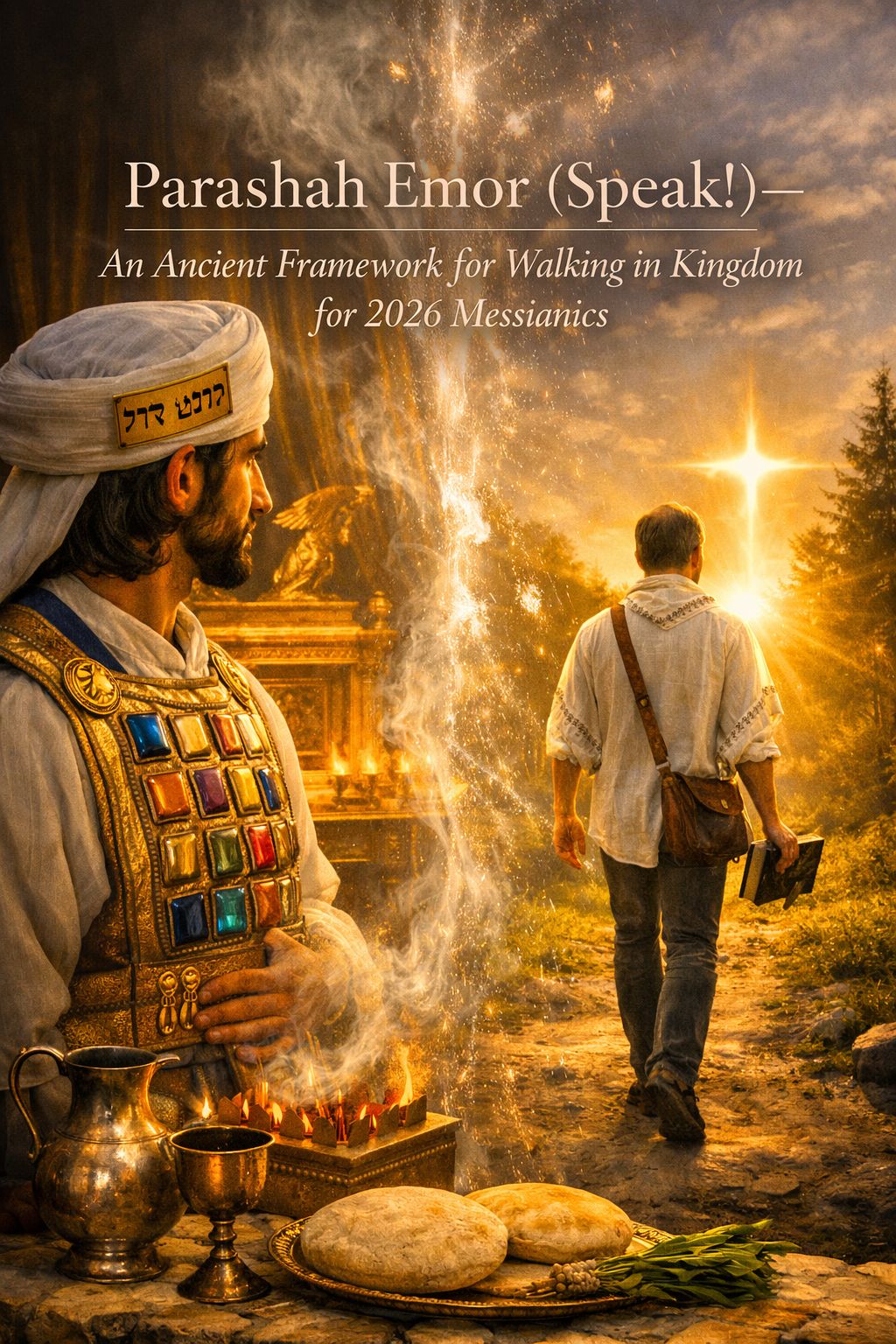
Episode summary: In this installment of The Messianic Torah Observer, we take a walk through Parashah Emor (Leviticus 21:1–24:23), highlighting the Torah’s holiness expectations for the priesthood, the danger of profaning Yehovah’s Name, and the enduring relevance of the Moedim/Feasts of Yehovah. From ritual purity and votive (qodesh) offerings to the Menorah oil, the Shewbread, and Torah principles surrounding justice, this teaching emphasizes “Spirit and Truth” applications for Kingdom living in 2026.
In this episode, you’ll learn
Key themes
Scripture focus
Moedim quick reference (as covered in Leviticus 23)
Discussion highlights
Practical takeaways for Kingdom living (2026)
Reflection questions
Resources mentioned
Call to actionIf this teaching encouraged you, consider sharing it with a friend or your fellowship, and make time this week to read Leviticus 21–24 slowly and prayerfully. Let Emor challenge you to honor the Name, elevate the quality of your worship, and embrace your priestly calling in Messiah.
|
As It Was In The Days of Noah
Do recent advancements in DNA manipulation and Artificial Intelligence portend the return of Yahoshua Messiah? Are they elements of modern day spin-offs to the Days of Noah? Each week it seems, we receive more and more disturbing news about the existential dangers...
Sacred Oaths and Vows–The Wages of Sin–The Spoils of War
In today’s post, I wish to reflect upon elements of this week’s combined Torah Portions entitled Mattot (or Tribes) and Masei (or Journeys). This Portion ends our journeys through the Book of Numbers and sets the stage for our historic and long-awaited conquest of the...
The Red Heifer–Parashah 39–Hukkat–Numbers 19
I pray that you had a meaningful Sabbath Rest. This week's Torah Portion was yet again an amazing journey into the Things and Ways of YHVH that defy anything that humanity could ever imagine. This 39th Portion addresses the "Mystery of the Red Heifer," which is a...
Hebrew Roots and Torah Portions–Are Torah Portions Valid for Messianics
I have always been one to think: if one person has a question on a particular topic or issue that I have posted on this program, it stands to reason that there are others out there who have the same question. Recently I received feedback from a dear listener of this...
Messianic Lessons From The Revolt of Korah
The Players of this Torah Portion The players of this passage are: Moshe, Aharon (Cohen Gadol); Korah (a Levite of which he and his family and lineage served with the Aaronic Levitical Priesthood--he was not a priest but a most blessed assistant and servant to YHVH);...
Impediments to our Faith-Absence of Discipleship and the Holy Spirit Operating in the Lives of Believers (Part 2)
It goes without saying that many of us have a difficult time grasping the things of YHVH, especially when we first transition into our Faith Community. It’s one thing to decide to give up pork and shell fish and to start worshiping on Sabbaths as opposed to...
Yeshua Messiah (aka Jesus Christ) as our Apostle and High Priest
During my morning studies today I was led to pick up where I left off from this past Sabbath's Brit HaDashah reading that is found in Hebrews 3:1-6. Interestingly enough, roughly 1-1/2 to 2 hours after beginning the study, I had not progressed beyond verse one. For...
Messianics Dedicated to Service
This Week's Torah Portion-Beha'Alotekha-The Menorah On this Shabbat, I was blessed to read and reflect upon this week's beautiful Torah Portion entitled Beha'Alotekha-The Menorah. The portion was contained in Numbers, chapters 8 through 12, And I don't know if it's me...
Impediments to our Understanding Things of the Faith–Part-1–Understanding the Bible
Many of us have a hard time grasping the things of YHVH. There seems to be impediments to our receiving, understanding and applying the things of our Faith. Indeed, there are many impediments that we could explore. However, for this post we will consider those...
The Torah Observant Believer in Yeshua Messiah as Slave
Paul opens his letter to the assembly of Messianic Believers in Rome with an introductory bio of himself. He writes: "Paul, a bond-servant of Christ (i.e., Messiah) Yeshua, called as an apostle, set apart for the gospel of God (i.e., Yah)..." (Romans 1:1; NASB). Other...