The Royal Priesthood: Exploring the Historical, Spiritual, and Eschatological Roles of Melchizedek – Part 1
Greetings, saints of the Most High! Welcome to another installment of the Messianic Torah Observer. I’m Rod Thomas, coming to you on a wintry Preparation Day in the DFW. Thank you for taking the time to fellowship with me. As always, I hope this discussion finds you and your loved ones well and blessed.
Today, we embark on a brand new series about Melchizedek, the mysterious figure mentioned in Genesis 14 and Hebrews 7. This series will delve into the historical, spiritual, and eschatological significance of Melchizedek and the Royal Priestly Order that embodies his persona.
Introduction to Melchizedek
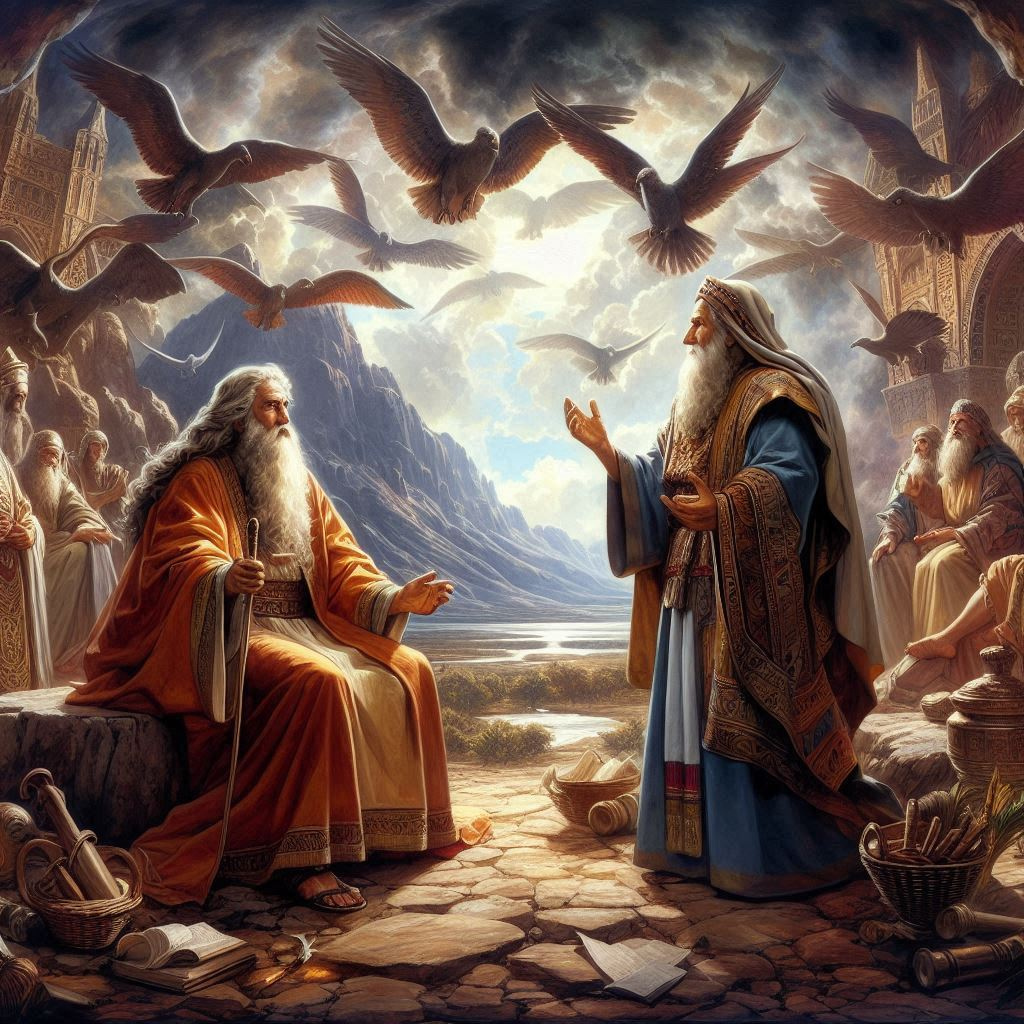
Our journey begins with the encounter between Avram and Melchizedek, King of Salem, as recorded in Genesis 14. Melchizedek appears suddenly in the narrative, meeting Avram in the Valley of Shaveh after Avram’s victory over King Chedorlaomer’s coalition. Melchizedek brings bread and wine, blesses Avram, and praises God Most High for delivering Avram’s enemies into his hands. In response, Avram gives Melchizedek a tenth of everything.
Ancient Near Eastern Context
To fully appreciate this encounter, we must understand the historical and cultural backdrop of the ancient Near East around 2000-1800 BCE. During this period, the region saw the rise of city-states, each ruled by its own king and often engaged in battles for dominance. Melchizedek, however, was unique as he served Yehovah Most High, unlike the other kings who worshipped various idols.
The Battle of the Kings, where Chedorlaomer’s coalition attacked the city-states of the Plain, including Sodom and Gomorrah, is a prime example of the conflicts that shaped the region. This era also saw the development of cuneiform writing, trade routes, and organized priesthoods, all of which played crucial roles in the administration and cultural exchanges of the city-states.
Melchizedek’s Dual Role
Melchizedek’s dual role as both king and priest sets him apart from other leaders of his time. While most city-states had separate offices for kings and priests, Melchizedek combined both roles, much like the Pharaohs of Egypt and the Mayan kings. This unique combination of political and religious authority made Melchizedek a significant figure in the ancient Near East.
Conclusion
The encounter between Avram and Melchizedek holds profound implications for understanding the Royal Melchizedekian Priestly Order, which is directly linked to our Master and Savior, Yahoshua HaMashiyach. As we continue this series, we will explore the deeper spiritual and eschatological aspects of this eternal priesthood and its relevance to our salvation and covenant relationship with the Almighty.
Stay tuned for the next installment, where we will delve further into the historical and spiritual significance of Melchizedek. Until then, may you be blessed, fellow saints in training. Shabbat Shalom and Shavuatov!
If you were interested in a teaching/discussion on Torah Reading 12, please listen to and read my post entitled: “We Must Operate at Abraham’s Trusting Faith Level-So How Do We Get There? STAR 12.”
When Nations Tremble: The Prophetic Significance of the Unrest in the U.S., France, and Italy
🔥 When Nations Tremble: The Prophetic Significance of the Unrest in the U.S., France, and Italy A Messianic‑Hebraic Analysis of Global Birth Pangs in the 8th Biblical Month By Rod Thomas — The Messianic Torah Observer Yom Sheni — 7th Day of the 8th Biblical Month...
Mashiyach/Messiah ben David: The Convergence of Three Messianic Profiles in Yeshua
Mashiach ben David: The Convergence of Three Messianic Profiles in Yeshua Part 11 of the Melchizedek Series Greetings, beloved saints of the Most High Ahlohim. In this installment of the Messianic Torah Observer, we turn our attention to one of the most...
The Serpent’s Oldest Question: Genesis 3, October 7, and Beresheit Faith
The Serpent’s Oldest Question—and Why the World Gets to Start Over Shabbat Shalom, beloved, and welcome to another installment of the Messianic Torah Observer. In this teaching, we stand at a sobering and deeply meaningful intersection: the third anniversary of...
The Eighth Day: The Feast Nobody Leaves
Chag Sameach, beloved saints in training. In this installment of The Messianic Torah Observer, we turn our attention to Shemini Atzeret—the Eighth Day Assembly, otherwise known as the Last Great Day. It is the Feast that arrives after the seven days of Sukkot, when...
Every Nation Will Come: Sukkot, Zechariah 14, and Yeshua Tabernacling With Us
Episode Summary Chag Sameach Sukkot, beloved of the Most High. In this installment of The Messianic Torah Observer, we turn our attention to Sukkot, aka the Feast of Tabernacles; the Feast of Booths; and the Feast of Ingathering to consider what this appointed time...
Ha’azinu and Shabbat Shuva: The Song of Moses, Teshuvah, and Yom Kippur
Ha’azinu: The Song That Knew the Future—and the Shabbat That Stands Between You and Yom Kippur Greetings, Saints of the Most High Ahlohim, and welcome to another installment of The Messianic Torah Observer. In this teaching, we turn our attention to Parashat...
The Hidden Feast: Yom Teruah, the New Moon, Hannah’s Prayer, and the Return of the King
Beloved, in this installment of The Messianic Torah Observer, we turn our attention to one of the most mysterious and prophetically charged moedim on Yehovah’s sacred calendar: Yom Teruah, the Day of the Blowing of Trumpets. It is a feast that Father commanded, yet...
How Should We Evaluate Prophetic Voices? A Biblical Framework — With Jonathan Cahn as Our Starting Point
Opening This morning — Tuesday, September 8, 2026, the 25th day of the 6th Biblical Month, conceivably four or 5 days before Yom Teruah, a significant fact-checking analysis of Jonathan Cahn's prophetic claims was published. (Reference: “What Prophecies Has Jonathan...
The King Is in the Field: Elul, Yeshua, and the Meeting Your Jewish Cousins Are Still Waiting For?
Beloved, in this installment of The Messianic Torah Observer, we step into one of the most tender and spiritually rich traditions associated with the traditional Jewish month of Elul: the teaching that the King is in the field. Our Jewish cousins have long understood...
Yeshua and Ki Teitzei: The Torah Fulfilled Through Mercy
Episode Focus In this installment of the Messianic Torah Observer, I revisit this week’s Torah Reading, Ki Teitzei, and bring it into conversation with the words of our Master Yeshua in the Sermon on the Mount. And what we discover, Saints, is that Moshe and Yeshua...