by Rod Thomas | Apr 27, 2015 | Podcasts
Understanding the Bible Part 2–Why Should Believers Read the Bible?
Opening Scripture Passage: Hos 4:1-6 KJV
Featured Guests:
Psalmstress Elisha
Rico Cortes–Founder Wisdom in Torah Ministries
Brad Scott–Wildbranch Ministry
Rob Skiba–Author & Speaker
Arthur Bailey with David Salinas–Overseer House of Israel, author, speaker
Naturalist Paul Nison
Zachary Bauer
Hebrew Roots Band Teshuva
Ralph and Mindy Seta–Messianic Dance Camps International
Psalmster Mason Clover
Monte Judah–Lion and Lamb Ministries
This past Monday evening, April 20th, over the land of Israel, the renewed moon was sighted. Therefore, at sundown in the West this past Monday marked the beginning of the 2nd Biblical Month in the year 6015 FC. At the time of this recording, according to the Creator’s Calendar as published by Michael Rood:
- we are in the 14th day of the Counting of the Omer
- we are at the 5th day of the 2nd Biblical Month (aka Iyyar)
- Shavuot (aka Pentecost) is projected to occur sundown Sabbath, May 30th. Thus Shavuot will occur on May 31st
Understanding the Bible Part 2
(Why Should Believers Read Their Bibles)
Is understanding of the Bible still relevant to Believers of the 21st Century?
- It is importance of understanding “good and evil” in order to avoid becoming prey to the evil in the world. Knowing what is sin is acquired through knowledge of the Word
- Deu 1:39
- Rom 3:20
- I Cor 15:34
- When we reject the Bible, we are in effect telling Yehovah to depart from us; we are electing not to know His ways
- Job 21:14, 22; 22:17
- Pro 1:29
- Failure to read and understand our Bibles may result in us living with a reprobate mind that is devoid of knowledge of the things of Yehovah. We are in effect choosing to focus our attention on the things of this world over the things of Yehovah
- Rom 1:28
- One can not expect to have a true relationship with the Most High unless he/she is knowledgeable of His ways. The Creator’s ways and expectations for mankind are contained only in the Bible
- Jer 4:22
- The desire of the true child of Yehovah is to learn the ways of Yehovah. We see this demonstrated in the life of David and Solomon
- Psa 119:66
- Pro 22:17
- Knowledge of Yehovah and His ways is a very precious thing that must never be taken for granted by the child of the Most High. It is a thing of value beyond measure
- Psa 139:6
- Pro 8:10-12
- Rom 11:33
- A true believer of Yehovah begins his or her journey/walk in Messiah with an understanding of the existence and identity of Yehovah. It is this understanding that prompts the believer to seek wisdom and instruction in the ways of Yehovah through a continuous reading and study of the Word of God. We do this, not just for purposes of knowing right from wrong, learning the ways of Yehovah for their lives, but also to please the Father and to avoid offended Him
- Pro 1:7; 9:10
- One who despises the Bible and the gaining of knowledge about the Creator is deemed a fool, for knowledge of Yehovah is found only in His Word and through revelation of His Rauch Kodesh.
- Pro 1:22
- Ignorance of the ways of Yehovah breeds improper behavior and living on the part of men. Such living is contrary to the ways of Yah. There comes a time when calamity may strike men, especially those who have rejected the Bible. Out of fear these will call upon Yehovah, but there is no deliverance to be had
- Pro 1:28
- Isa 5:13
- Hos 4:6
- Those who diligently seek understanding through consistent and daily reading of the Word of God will realize rewards–maybe not money or riches or fame–but rewards of knowledge, wisdom and understanding. These have no equal in terms of value in this life
- Pro 2:1-10; 14:18
- 2 Pet 1:2-8
- There is coming a day when the knowledge of Yehovah will fill the entire earth. That being the case, Yehovah is clearly saying to us that knowledge of His Word is essential to the existence of mankind. If we know that Yehovah is going to make His Word known throughout the entire earth in His coming Kingdom, why would we resist gaining that knowledge today?
- Hab 2:14
- Yehovah will not leave us to fend for ourselves regarding the acquisition of knowledge from His Word. He will provide individuals to augment our acquisition of knowledge
- Jer 3:15
- Luk 1:67-77
- Yeohovah desires mercy/goodness/kindness and knowledge of Him over any sacrifices or burndt offerings we may make. He prefers obedience over any sacrifice. Now we don’t offer sacrifices or burnt offerings today, but we still do things we feel honors the Most High such as attending church on Sundays, giving offerings and donations to various charities, etc. Although nice, Yehovah would much prefer that we go about doing good and gaining knowledge of Him through His Word–which should leave naturally to obedience
- Hos 6:6
- I Sam 15:22
- Yehovah desires that all men know Him and this is achieved only through His Word
- I Tim 2:3, 4
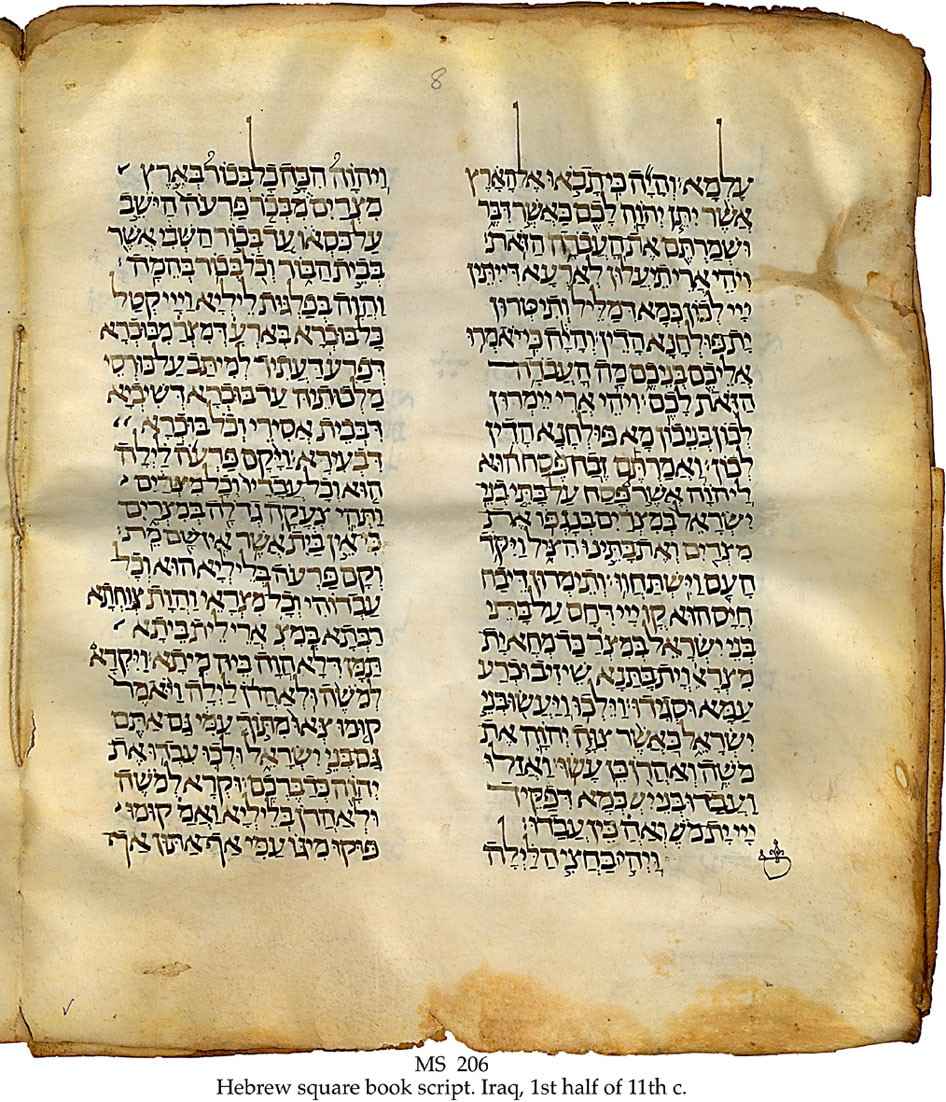
So we can clearly see from the very instrument that men resist reading on a consistent basis (even believers) that Yehovah requires that we gain an full understanding of Him. Yehovah, in His infinite wisdom, has elected to reveal Himself through His Word. He revealed Himself to the world via other means throughout time. However, for us today, the only true means of understanding the Father is through the Word of the Most High.
- Part 2: How bad is the Bible illiteracy problem?
-
- Let’s examine just a few examples from a Google Search on the internet regarding Biblical Illiteracy. I conducted this search last week and was not surprised at what I found
- “Poll: Americans Love the Bible but don’t Read it Much”–Caleb K. Bell–4/4/2013. This poll was conducted by the American Bible Society
- “80% of Churchgoers Don’t Read Bible Dailey, LifeWay Survey Suggests”–Jeremy Weber–9/7/12
- “The Scandal of Biblical Illiteracy: It’s Our Problem”–Albert Mohler
- Include readers’ comments
by Rod Thomas | Apr 19, 2015 | Blog
Introduction
What is the bible? Some would contend the bible to be the “unadulterated Word of God.” Others would similarly contend that the bible is NOT the word of God per se, but rather it contains the Word of God. Others would say that it is an instruction manual for mankind, containing instructions on how mankind is suppose to live in the sight of both God and one’s neighbor. Or how about this: the bible is a “love letter” from God to man that reveals God’s love for mankind through the work of Jesus Christ. Some would conservatively say that the bible is a compilation of thoughts, some good and some bad, and that it is a piece of work that is useful in dealing with the various and many issues facing mankind throughout the ages. Still others will contend that the bible is a book of fables and wise sayings geared to appeal to the vanities and insecurities of the human race.
Regardless how one sees the bible, the Bible holds a prominent place in the lives of millions of people in the world. Of those millions, countless hundreds of thousands revere the bible as more than just a book of wise sayings with questionable historical documentation. These individuals see the bible as some form of medium that connects them to the Creator.
In this episode of a multi-episode series on Understanding the Bible, I explore the problems that are inherent to reading, studying and understanding the bible. Furthermore, I explore the remedies associated with these inherent problems. This is not for the spiritually faint of hearts deary—for I am going to challenge the status quo that is traditional and fundamental Christianity and even the Hebraic and Messianic communities as it relates to the viability of the Bible in the 21st century as well as how we view and approach the reading and study of the bible as so-called believers in Yeshua Messiah.
Part 1: Do I Really Need to Read the Bible? It’s so hard to Understand
Churchianity has taught us, the laymen, the masses, the followers, to be lazy and wholly dependent upon the clergy to understand the things contained in our Bibles. Believers are rarely ever encouraged to embark upon a regimen of serious Bible “study”, with the exception of the Christian publishing companies who are constantly generating new and in some cases, innovative ways to consume the Bible. Each new way is designed to take the “drudgery” out of “study,” which most of us (if we are truly honest with ourselves) despise. We as a people hate to “study” anything, much less the Bible. We much prefer to simply have someone tell us what to believe or what the deal is with God. Most of our Bibles sit and collect dust. They show very little signs of use. Instead, many of us stack up our questions each week and when we head on out to the church, at the end of the service we target and hit up the pastor or a minister with the questions we’ve stored up for the week. Not wanting to be viewed as a jerk, and wanting to appear helpful to the parishioners, these “labeled” men and women of God answer our questions to the best of their denominationally trained abilities. We then walk away from the conversation, dumb, fat and happy and most of us will never take the next step, which is to verify for ourselves that what the pastor or minister has told us in response to our question is actually true. Cognitively we rationalize that he or she has been formerly placed over the congregation by the powers to be (and maybe we even believe that he or she has been placed over us by Yehovah Himself). They have been trained in theology. They have a genuine concern for our physical and spiritual wellbeing to boot. Thus, we feel pretty confident that whatever he or she tells in answer to our questions and concerns is valid and true. Little do we suspect that just maybe our pastors and ministers are just as ignorant as we are and the answers provided to our questions are based upon that which our denomination has provided them. They were told by some teacher and they in turn tell us. It would be nice to know, however, that our pastor or minister who is responding to our questions has actually delved into the Scripture to fish out the answer to the question and that they provide you and I the wherewithal to confirm the answers they are giving us (i.e., chapter and verse and whatever resource they used). But then, that not likely is it? Because if you have knowledge of the resources the pastor or minister is using, then you really won’t need them in the future to answer those deep penetrating questions that keep you awake at night. You can sort it out yourself.

How many of us have read a portion of Scripture or the New Testament (aka Brit HaDesha) and completely missed key learning and instruction because our denomination has taught us to interpret the Bible a certain way or because we have set in our minds to read the Bible for purposes of simply completing the act of reading the Bible? Not for learning sake but for purposes of get the reading over with? I’ve done this over and over throughout my traditional and Hebraic Roots life. It is just within the last 3 or so years that I’ve come to understand the importance of reading the Bible for understanding. The primary elements of effective reading of the Bible is context, revelation, available resources and untainted desire to understand. I say available resources because there are so many Biblical resources on the market to aid us in our understanding of the Bible. There is little excuse for not understanding the vast majority of the Bible today. Bear in mind, I’m not talking about denominational resources as these are written solely through a denominational filter and can not, for the most part, provide a true explanation of most of the passages contained in our Bibles. I said untainted desire to understand because without a desire to understand what is contained in our Bibles without denominational influence, our understanding will be heavily influenced by the denominational leanings of the author.
Now, please understanding me: I’m not so naïve to think that one can never gain renewed Biblical insight through the referencing of denominationally based bible reference books and resources. Certainly, the Father in His infinite wisdom has spread His truth amongst many Christian communities. We must not be under any delusion that we in the Hebraic Roots/Messianic communities hold the monopoly on truth. Holding such thinking is a lie from the pit of hell. Indeed, truth has found a home in many places in the Christian and Jewish/Hebrew world. The challenge, of course, is finding the truth. We know that finding the truth comes primarily through the auspices and leading of the Ruach Kodesh (aka the Holy Kodesh) and a tenacious pursuit of the truth wherever it may rear it’s golden head!
Part 2: Practical Examples of Biblical Illiteracy
Mat 28–records the Great Commission as spoken to the Talmidim (aka disciples) by Yeshua HaMaschiyach. This most famous of passages reads as follows in the King James Version: “Go ye therefore and teach all nations, baptizing them in the name of the Father, and of the Son, and of the Holy Ghost: teaching them to observe all things whatsoever I have commanded you: and, lo, I am with you alway, even unto the end of the world. Amen” (Mat. 28:19, 20). How many times have we read this passage and never captured the nuances of what the Master was passing on to His disciples? Part of the reason could be the translation or translations we are using at the time. Based upon the level of literacy one has related to reading a particular translation, especially when we’re talking about the King James Version, will determine how well one will understand the passage in question. Clearly, the bible was not written in Elizabethan English; yet I’d bet you dollars to a donut that countless thousands if not even millions have never given that central piece of information any thought. I wouldn’t even put it pass some to conclude that the Master actually delivered this directive to His disciples as written. Come on: you remember the bibles of old that had the supposed words of Jesus in red? I vividly remember growing up in the Baptist Church of my youth, believing like so many other members of the church, that those red-lettered words were the actual quotes of the Savior. It wasn’t until much later in my Christian walk that I learned bible development history and understood that the bible we have on the shelves of our homes have undergone quite a metamorphosis over the centuries. In fact, it was even more powerful to come to an understanding that our bibles were not delivered to us in the form of books, but were originally separate pieces of writing projects–we call them books, written on papyrus or leather other living material–written by 36 or more authors, spread out over more than 1600-years, in the Middle East and in other parts of the Mediterranean. There were dozens of other writings out there that never made it into our current canon of Scripture, but that doesn’t mean that those extra-biblical works are not of value to the truth seeking believer in Yeshua Messiah. I won’t get into that in this post, but we should be cognizant of the existence of these writings.
So we have in front of us an interesting conundrum: we have a compilation of writings that are in some cases upwards of 3600-years old. So we have an issue of antiquity to deal with. In other words, we don’t have those folks available to us to gain an understanding of what life was like in their time here on earth and in their area of the globe. Thus we know very little about the nuances of the authors’ respective cultures and lifestyles apart from what is contained in their writings and what archaeologists have uncovered in their excavations. Additionally we have the complication of language, the writings having their origins in several languages that include Hebrew, Aramaic, Greek and no doubt other related dialects. Without the reader having an understanding of the language the manuscript was original written in, requires the work be translated into the reader’s language. Many words or turns of phrases often do not have an equal in the reader’s language. Thus the translator is forced to extrapolate and find the closest word, term or turn of phrase common to the reader’s language in order to complete the translation. The chances for a mistranslation or misinterpretation by either the translator or the reader is then heightened. 2 Timothy 2:15 is a classic example of this. The passage reads: 15 Study to shew thyself approved unto God, a workman that needeth not to be ashamed, rightly dividing the word of truth. (2Ti 2:15 KJV) The term in question here is “study.” In the west,the term study applies to the application of the mind to the acquisition of knowledge as by reading, investigation or reflection (Dictionary.com). We all know, for instance, that when one enters into college or some institution of learning, that they have embarked upon a study of whatever subject matter their major requires, with the ultimate goal of being awarded a certification, diploma or degree for their chosen field of study: be it language, mathematics or the sciences. Thus the use of the term study in this verse of 2nd Timothy would lead us here in the west to assume that Shaul (aka Paul) is encouraging his young apprentice to embark upon a regimen of applying his mind to the acquisition of knowledge of scripture, the purpose being for Timothy to be approved unto God and a workman who does not need to be ashamed of his vocation. Since this passage is found in the Bible, Christians automatically assume that (1) Shaul is speaking not only to Timothy but to us, even today; and (2) that we are compelled as Christians to study the bible so that we can be worthy of God’s approval. (Wait a minute, I thought the doctrine of grace said that we don’t have to do anything as it relates to our salvation or anything related to our walk with Christ. That being the case, why are we even bothering to “study” the bible? Curiouser and curiouser.) But when the astute, well grounded disciple of Yeshua takes the time to break down this verse of Timothy, a shocking reality will occur to him or her: the term “study” as written in this verse is translated from the Greek as “spoudazo.” Spoudazo in the Greek means: “to hasten; to exert one’s self; to endeavor or give diligence.” Hmm. The term spoudazo doesn’t seem to refer to anything having to do with the cognitive process of acquiring knowledge from the Scriptures does it? This being the case then, the whole concept of Christians believing that Shaul was instructing Timothy to study the Scriptures so that he would be approved of God and worthy of his chosen vocation is a mistranslation of “apocalyptic” proportions. So then, what is Shaul saying to Timothy here? Well, quite simply, Shaul is saying to Timothy that he should strive to do his best in the vocation that he has chosen to be his own. The New American Standard Bible translates this passage as follows: NAS 2 Timothy 2:15 Be diligent to apresent yourself approved to God as a workman who does not need to be ashamed, handling accurately bthe word of truth. (2Ti 2:15 NAS). Then we have the Complete Jewish Bible Translation which reads: CJB 2 Timothy 2:15 Do all you can to present yourself to God as someone worthy of his approval, as a worker with no need to be ashamed, because he deals straightforwardly with the Word of the Truth. (2Ti 2:15 CJB). So do you see how a simple misapplicaton of a term or phrase by the translators of the bible can have tremendous ramifications for the Faith? Doctrines, beliefs and traditions could easily be constructed upon such mistranslations or misinterpretations. It’s not to say, by any stretch of the imagination however, that we should not “study” the bible in the classic English sense of the term “study.” On the contrary. What we are saying here folks is that the bible is a tool that must be understood first and that every believer in Yeshua Messiah must be cognizant of the complexities associated with the reading of the bible. It is not for kids—I mean kids in an allegorical sense.
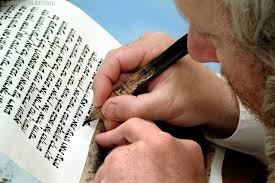
Furthermore, the original manuscripts have been lost, due to the ravages of time and environment. There are thousands of early manuscripts to be found throughout the world today; in major universities, museums and even private collections. These manuscripts were not the original works of the writers of the various books of the bible. The works of the bible were originally written by each book’s presumed author or that author’s chosen scribe onto papyrus or leather or whatever material the author had available to him at the time. That work was later copied and re-copied by hand by other scribes and interested individuals for purposes of making it available to others who would not have access to the original manuscript. As humans, we are prone to make mistakes. So we must always maintain a cognitive allowances for errors in the transference of the original content that is contained in the Holy Writ. Now many Christian sects will strongly oppose any insinuation that there could be any physical errors in the transference of data over the centuries–be they mistakes or intentional errors. But we know that errors do exist in the bible. I’m not going into examining or exposing those errors in this post as it is not the focus of this content. My goal here is to simply point out the potential for errors in the texts contained in our bibles of today, beginning with copying of the texts from the original manuscripts, all the way up to the translations that are available to readers today throughout the world of the 21st century. Various sects of Christianity have strongly stood by the contention that there are no errors contained in our bibles. These sects believe that God the Father would never allow such a thing to happen. I attended a home bible study once where the leader of our group asserted that there are no errors in our bibles because our God is bigger than that. On the surface his statement seemed to be sound, for indeed our God is more than capable of preventing such problems associated with the bible. But then, by saying that our God is bigger than allowing errors in the bible to occur, we are actually saying that God was directly guiding the writers’ hands and writing utensils at the moment each author or scribe sat down to write. The whole concept of “inspiration” then—gleaned from 2 Timothy 3: 16 which reads: KJV 2 Timothy 3:16 All scripture is given by inspiration of God, and is profitable for doctrine, for reproof, for correction, for instruction in righteousness: (2Ti 3:16 KJV)—as understood by many Christians throughout the world, is that God turned the authors of the various books of the bible into automatons (for lack of a better descriptor). These Chiristians believe that the inspiration that Shaul was addressing in this passage of 2nd Timothy could be better translated as “control;” that God caused the authors to go into some trance and then the Spirit of God made these authors write the content of their books without any human input or effort. This event was then duplicated time and time again as the texts were copied and re-copied for distribution, thus resulting in the error-free Word of God that we call the Bible today. So thousands, if not millions, hold to a false illusion that the bibles that are collecting dust on their household bookshelves are pristine and flawless as it relates to accuracy of translation. This mindset too lends itself heavily to the problem of biblical illiteracy that is so prevalent in the Christian Faith today. Errors do exist in our bibles. The question that must be asked instead of whether or not errors exists is, whether or not the issues, the subject matter or events that each author is addressing in their writings are accurate. When posed this way, we can say with extreme certainty that there is no error. The Ruach (aka the Spirit of the Almighty) of the Creator moved the authors to write whatever it was that they witnessed, felt or envisioned. In this sense, God is indeed bigger. For one to be inspired to write down the things of Yehovah is a big deal and the focus should always be on the intentions or purposes of the author and his text. We must be acutely aware of the social, chronological, historical and revelatory aspects associated with each text. With all that I’ve just pointed out regarding the composition and history and application of the bible, it is a precarious act to think that one can pick up their bible and gain complete understanding of what the Father is trying to relay to us as if we are reading an instruction manual for a new product we’ve just purchased or as if we are reading a newspaper. Sadly, this is the common thinking and practice of many of us today. We treat the bible like we treat any book that we purchase from Amazon or the library—we simply open it and read it and expect to gain a full understanding of what it is that God is trying to get across to us through His word. I’m certain it’s possible to gain a great deal of understanding of the ways of the Creator by reading the bible in this stated way—that is by conducting a simple read of the texts. But the deep things of Yehovah come only by applying proper exegetical techniques and through the revelation of the Ruach Kodesh (reference: NAS 1 Corinthians 2:10 1aFor to us God revealed them bthrough the Spirit; for the Spirit searches all things, even the cdepths of God. (1Co 2:10 NAS))
Part 3: The Bible and the Question of Grace
Our western mindset over the centuries has for some reason led us to assume that the bible is a simple book of instruction that every believer is required to read from time-to-time for purposes that aren’t always clear—especially given that most Christians are under the delusion that grace requires them to do nothing in this life. In fact doing something in this life is deemed “works” by this crowd and God forbid, if you so much as insinuate that we must keep the Sabbath and the Feasts and the dietary laws and imitate Christ in all our ways, you are effectively described as having fallen from grace. So with this same line of reasoning, why even read the bible? If all that was necessary for one’s salvation, or for that matter, one’s walk with Jesus Christ is grace, then there is no reason to read the bible. If we are fixed in our hearts and minds to NOT do what is commanded of us to do by the Father through the inspired writings of the various writers of the bible, why read or study the bible? It’s interesting when you think about it. The overwhelming belief in Christianity is that we must do nothing in this life related or in connection to our election and salvation, yet the bible has retained its place as the best selling book of all time. More and more bibles are being churned out by Christian book publishers each year, offering its customers various bible reading experiences that are designed for what purpose? What is the purpose–will someone please tell me? Certainly very few of us take the time to truly read for understanding, this book. Oh we’ll give her an obligatory glossing over and maybe even memorize a verse or two, but in general we don’t read the bible to gain a true understanding of its content. Indeed the words of the prophet ring ever so loudly through the din of this insane world throughout the centuries: the ears of the people have grown dull of hearing and their eyes have become closed to the things of Yehovah (Isa 6:10). The Christian Faith has fallen asleep and is completely unaware of what is going on around them. We have no idea as to what is taking place behind the scenes nor where we’re heading in our lives. We read our bibles expecting to come across nuggets that will inspire us and make us feel good. On rare occasions, when things aren’t going quite so well for us, we might search the pages of our bibles for some direction or advice for handling our problems; typically out of desperation. But generally, our reading of the bible for purposes of actually hearing the Word of the Most High—of learning what it is the Creator of the Universe requires of us–is a messy effort in futility. Why? Because we have married ourselves to our respective denominations. No matter how crystal clear a passage might otherwise be on some crucial issue–logically, spiritually, historically clear–we will always tend to defer to the instructions and teachings of our denominations over what is clearly written and expressed by Yehovah in the pages of our bibles. Interpretation of the content of the bible in most cases comes only via the filter that is our denominations.
A key example of this is the hijacked doctrine of “grace,” the primary focus of the traditionalists. The traditionalist has been taught to hone in on the free-gift which is salvation as a result of grace and that no matter how hard one works towards trying to please the Father, salvation can not be purchased. Indeed, the bible is very clear about salvation being something that can never be purchased or achieved through one’s physical efforts. Shaul writes to the Ephesian ekklesia (aka assembly): “For by grace are ye saved through faith; and that not of yourselves: it is the gift of God: Not of works, lest any man should boast. For we are His workmanship, created in Christ Jesus unto good works, which God hath before ordained that we should walk in them” (Eph. 2:8-10). The traditionalist will focus only on the “for by grace are ye saved…that it is a gift of God.” He or she will ignore the part about “through faith.” So then the traditionalists’ reasoning—on a logical basis–contends that salvation is something that every person on the planet will have, because a casual—soundbite, selective read of this passage, clearly suggests this, right? But does that even make sense? Is every person on the planet, regardless where they are in terms of their relationship with the Creator, going to receive salvation? We know that the traditionalists will never accept that understanding of salvation. Despite the traditionlists’ speaking with a fork-tongue, so to speak; even they must contend that there is something that must be done to qualify for this free gift of salvation and that is faith–faith in Yeshua HaMaschiyach. Faith? Faith in what is another post entirely. Nevertheless, faith is a “qualification” for salvation and to have a true relationship with Yehovah. Salvation is free to every one as stated by Shaul in this passage, but to receive this free gift, there must be faith. So then we must get into what exactly faith in Yeshua Messiah actually means. And if we force people to look at that, they will probably shut down and refer us to their pastors and ministers for what exactly the phrase “through faith” actually means. In that case, the bible is of no use them. It’s effectively a brick.
But do you see how biblical illiteracy is manifested in this very clearest of verses? Shaul contends that salvation is a free gift from the Father. But then Shaul clarifies that faith is a qualifier. Few traditionalists see the clarity here because the story regarding salvation coming to us as a result of the Creator’s grace extended to us does not end there. The caveat is that salvation is achieved through faith. The traditionalists might understand that faith is a qualifying element for receiving the free gift of salvation, but he or she will not go further to examine what the writer Shaul means by “through faith.” Western understanding of the term “faith” means to have confidence or trust in what? Most likely (in this instance) confidence and trust in Jesus Christ, right? So then, faith becomes simply a cognitive exercise. I have faith (or trust or confidence) that my spouse will not cheat on me. Faith from a western perspective is simply believing that something exists or will (or will not) happen. But if we gain effective biblical “literacy” and practice due diligence in our search of the bible, we will find that there is more to simply having a cognitive understanding that Jesus is our Savior. When we get up off our lazy spiritual behinds and search the Holy Writ, we find that virtually every incidence of faith was proceeded by an act or by actions. So then faith in the biblical sense is manifested in an action of some type. Going deeper, we will find that many, if not most, manifestations of an individual’s faith was manifested in an act of “obedience.” That obedience was generally in response to directives given by the Master or His appointed Apostles or overseers. Those directives were typically commands or commandments. So now we are coming into the realm of obedience to a command or commandments of Yeshua. Thus, being the biblically literate believers that we claim to be, we then connect the dots that in order to belong to the Father through Yeshua HaMaschiyach, we must have faith in Yeshua and having faith in Yeshua is manifested in one’s obedience to the commands and commandments of Yeshua. The Master instructed His disciples to: 19 Go ye therefore, and teach all nations, baptizing them in the name of the Father, and of the Son, and of the Holy Ghost:1 20 Teaching them to observe all things whatsoever I have commanded you: and, lo, I am with you alway, even unto the end of the world. Amen. (Mat 28:19, 20 KJV) Biblical literacy is more than simply reading passages of the bible because it’s expected of us as Christians. It’s more than going through the motions to get it over with. I say get it over with because most westerners hate reading or studying the bible. Reading the bible for most is like going to the dentist for millions—it’s not a comfortable thing to do. It’s tedious and painful. Why? For many, the bible is very hard to read and understand. Unfortunately, most of us are not interested in investing the time and resources to make reading and understanding the bible a viable spiritual endeavor. So I contend that the bible is not for everyone. Unless we’re willing to hunker down and do the work that is involved in truly gaining an understanding of Yehovah’s word, the bible is as I said, nothing more than a brick—a brick that can be problematic if not properly used.
Friends, I would go even so far as to suggest that placing a bible in the hands of most Christians today is like putting a child behind the wheel of an operating car. A child is ill-prepared to handle a car (in most cases) because they’ve not received the appropriate training or possess the experience to safely and effectively operate that car. The same holds true with many Christians and their bibles: they tend to not have the proper training nor do they possess the experience to properly use this most powerful tool and resource. Like a car being operated by the uninitiated child, operating that vehicle poses tremendous potential for bystanders as well as the child driving the car being harmed or even killed, bibles in the hands of many Christians pose the potential of leading others as well as the reader his/herself down a wide-road of destruction. Again, it all comes back to the problem of biblical illiteracy that is so rampant in the Christian Faith today. This is why discipleship is so critical to the believer in Yeshua Messiah–especially new believers. I’m going to say something that I may get some rolled eyes over or some gasps from some of you out there, but I’m going to say it anyway. I believe that bibles should be kept out of the hands of any new believers until such a time as they have been properly discipled into the Faith–until such a time as it has been explained to them what Yehovah expects of them–until such a time as he or she has been shown how to properly divide the Word of Yehovah through proper biblical exegesis and utilizing proper methods of interpretation.
With that, we will pick this up in our next post, part 2 of Understanding the Word of God, where we will discuss how widespread biblical illiteracy is today and explore ways to combat this problem.
by Rod Thomas | Apr 11, 2015 | Podcasts
9 ¶ Then the LORD spoke to Moses, saying,
10 “Speak to the sons of Israel, and say to them, ‘When you enter the land which I am going to give to you and areap its harvest, then you shall bring in the sheaf of the first fruits of your harvest to the priest.
11 ‘And he shall wave the sheaf before the LORD for you to be accepted; on the day after the sabbath the priest shall wave it.
12 ‘Now on the day when you wave the sheaf, you shall offer a male lamb one year old without defect for a burnt offering to the LORD.
13 ‘Its agrain offering shall then be two-tenths of an ephah of fine flour mixed with oil, an offering by fire to the LORD for a soothing aroma, with its libation, a fourth of a 1hin of wine.
14 ‘Until this same day, until you have brought in the offering of your God, ayou shall eat neither bread nor roasted grain nor new growth. It is to be a perpetual statute throughout your generations in all your dwelling places. (Lev 23:9-14 NAS)
This is Sabbath Thoughts and Reflections–Episode 10–The Day of Firstfruits
We are wrapping up the Spring Feasts of Yehovah–2015. We’ve just celebrated Passover Day or Pesach and as I’m recording and posting this episode of Sabbath Thoughts and Reflections, we are observing the last day of Unleavened Bread–this being a High Holy Day. The only remaining feast of the Passover season is Yom HaBikkurim or Day of Firstfruits and this is the primary topic of discussion for this episode.
Yom Bikkurim or the Day of Firstfruits
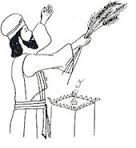
This Feast of Firstfruits in Hebrew is referred to as Yom HaBikkurim (meaning the Day of the First ripe fruits of a crop) or the Day of the Wave Sheaf. On this day, the cohen (aka priests) would wave a sheaf of the first fruits of the barley harvest before Yehovah. According to Batya Wootten in her book “Israel’s Feasts and their Fullness,” this would be the “first offering of the year.” Prior to entering the land of Canaan, the Children of Promise could not observe this day as they had no crops in which to harvest and Yehovah was providing them manna for food.
NAS Exodus 12:1 ¶ Now the LORD said to Moses and Aaron in the land of 1Egypt, 2 a“This month shall be the beginning of months for you; it is to be the first month of the year to you. (Exo 12:1-2 NAS) This passage does not indicate which month it was. But a subsequent passages in the same book does provide the month in question: 4 “On this day in the amonth of Abib, you are about to go forth. (Exo 13:4 NAS) 15 “You shall observe athe Feast of Unleavened Bread; for seven days you are to eat unleavened bread, as I commanded you, at the appointed time in the bmonth Abib, for in it you came out of Egypt. And 1cnone shall appear before Me empty-handed. (Exo 23:15 NAS) 18 ¶ “You shall observe athe Feast of Unleavened Bread. For bseven days you are to eat unleavened bread, 1as I commanded you, at the appointed time in the cmonth of Abib, for in the month of Abib you came out of Egypt. (Exo 34:18 NAS)
The Day of the Wave Sheaf–Yom HaBikkurim
The following are specifics related to the Day of Firstfruits or Yom Bikkurim:
- this was to begin once the children of promise entered into the land and began to reap a harvest
- the first of their firstfruits the children of promise were to bring into the house of Yehovah (Exo 23:19; 34:26)
- the children of promise were told not to delay to offer the first of their firstfruits, including their firstborn of their sons (Exo 22:29)
- the children of promise were commanded to observe firstfruits (Exo 34:22)
- when the first of the firstfruits was presented to the priest (the sons of Aaron) in the temple/tent of meeting, the sheaf of wheat/barley was to be waved before Yehovah to “be accepted for you”–that is “ratson” which means in Hebrew to be a pleasure, favor, delight (Exo 29:24; Lev 23:11)
- Firstfruits was to take place on day after the Sabbath during the week of Unleavened Bread (Lev 23:11)
- Yehovah deemed the firstfruit to be holy (Rom 11:16)
- In addition to providing a sheaf of the firstfruits to the cohen to wave before Yehovah on behalf the family offering the firstfruit, the family was to bring a male lamb one year old without defect for a burnt offering (Lev 23:12)
Yom HaBikkurim–A Shadow Picture of Redemption and Salvation
NAS Matthew 12:40 for just as aJonah was three days and three nights in the belly of the sea monster, so shall bthe Son of Man be cthree days and three nights in the heart of the earth. (Mat 12:40 NAS)
1Co 15:20 But now is Christ risen from the dead, and become the firstfruits of them that slept.
Rev 14:4 These are they which were not defiled with women; for they are virgins. These are they which follow the Lamb whithersoever he goeth. These were redeemed from among men, being the firstfruits unto God and to the Lamb.
So What do we do with Yom HaBikkurim?
Thus Yom HaBikkurim celebrates Yeshua’s ascension to heaven where He presented Himself before Yehovah as the first of many who would become true sons and daughters of Yehovah for all eternity-
–NAS Hebrews 2:10 ¶ For ait was fitting for Him, bfor whom are all things, and through whom are all things, in bringing many sons to glory, to cperfect the 1dauthor of their salvation through sufferings. (Heb 2:10 NAS) How wonderful is it to celebrate such an amazing day with its tremendous symbolism. We are truly blessed.
by Rod Thomas | Apr 11, 2015 | Blog
Yom Bikkurim or the Day of Firstfruits
This Feast of Firstfruits in Hebrew is referred to as Yom HaBikkurim (meaning the Day of the First ripe fruits of a crop) or the Day of the Wave Sheaf. On this day, the cohen (aka priests) would wave a sheaf of the first fruits of the barley harvest before Yehovah. According to Batya Wootten in her book “Israel’s Feasts and their Fullness,” this would be the “first offering of the year.” Prior to entering the land of Canaan, the Children of Promise could not observe this day as they had no crops in which to harvest and Yehovah was providing them manna for food.
Sheaves were first mentioned in Scripture as depicted in the story of Joseph who dreamed about 11-sheaves (or 11 bundles of barley) interpreted as Joseph’s brothers that bowed down before one sheaf (or 1 bundle of barley) interpreted as being Joseph himself. The telling of this dream to his family along with the dotting that Jacob did over Joseph caused Joseph to be sold into slavery. As we recall the story, Joseph ends up in Egypt and through a series of incidents years later become the 2nd most powerful man in Egypt. The dream that Joseph had about the 11-sheaves bowing before the 1-sheaf would be fulfilled in the homage that Joseph’s brother would pay Joseph when they migrated to the land of Egypt to escape the famine. Thus “sheaves” or a “sheaf” can be representative of people or a person respectively.
On Yom Bikkurim, the person who would bring his firstfruit offering to the Temple and present it to the cohen to be waved before Yehovah, would tie a batch of wheat or barley into a single bundle. Each sheaf was called an “omer,” a derivative of “amar” which according to Wootten means “to chastise, as if piling blows, to gather grain and bind sheaves together.”
As we saw in the Feasts of Pesach (or Passover Day) and Unleavened Bread, Yom Bikkurim was a shadow picture of good things to come (Heb 10:1). The actual day of Firstfruits was to be a reminder to all that the first of the year’s increase or produce belonged to Yehovah. This would include produce, cattle, money and sons. These “firsts” were deemed “holy” (or kodesh) by Yehovah. Thus being deemed “holy,” they belonged to Yehovah exclusively.
In addition to being the first of the firstfruits of their harvest, the Children of Promise were responsible for ensuring that these firsts were “the choicest of all.” (Wootten) The giving of the firstfruits was to be done with praise and thanksgiving.
Many may be confused that this harvest, this presentation of the firstfruits of the year was generally taking place each year during what would translate as our months of March or April. However, we must always be cognizant that our reckoning of time is not the same as the Father’s reckoning of time. Yehovah described and instituted His reckoning of time or calendar for the Children of Israel in the Book of Exodus, citing that the first day of the month of the Aviv was to be “New Year’s Day” for His people. We here in the west, and even the Jews, have taken upon ourselves to erect calendars that do not match that of the Creator’s calendar. For the Jew, New Year’s Day is Yom Kippur or Day of Atonement which is during the fall of the year, typically September/October time frame. Yehovah never ever sanctioned the Day of Atonement to be the first of the year. In fact, He was quite explicit:
NAS Exodus 12:1 ¶ Now the LORD said to Moses and Aaron in the land of 1Egypt, 2 a“This month shall be the beginning of months for you; it is to be the first month of the year to you. (Exo 12:1-2 NAS) This passage does not indicate which month it was. But a subsequent passages in the same book does provide the month in question: 4 “On this day in the amonth of Abib, you are about to go forth. (Exo 13:4 NAS) 15 “You shall observe athe Feast of Unleavened Bread; for seven days you are to eat unleavened bread, as I commanded you, at the appointed time in the bmonth Abib, for in it you came out of Egypt. And 1cnone shall appear before Me empty-handed. (Exo 23:15 NAS) 18 ¶ “You shall observe athe Feast of Unleavened Bread. For bseven days you are to eat unleavened bread, 1as I commanded you, at the appointed time in the cmonth of Abib, for in the month of Abib you came out of Egypt. (Exo 34:18 NAS)
The rest of the world acknowledges New Year’s Day as being on January 1st each year, dead in the middle of winter. Thus the world as a whole has lost a crucial element as it relates to their relationship with the Creator. Yehovah created time. Man and the world He lives in operates within the confines of time. According to Scott Laird in his introduction to the 6015 ‘Astronomically and Agriculturally Corrected Biblical Hebrew Calendar,’ “Time is the ultimate context.” Indeed it is. Yehovah set His Feasts to occur during specific times of His calendar year. Yehovah instructed Moshe as follows: “Speak to the sons of Isra’el, and say to them, ‘The LORD’S appointed times (or mo’ed) which you shall proclaim as holy convocations” (Lev 23:2). Each mo’ed was specifically and carefully woven into the fabric of time by the Creator and is dependent upon the sighting of the renewed moon each month as well as the agricultural state of the land of Canaan. Unfortunately, once the temple was destroyed in 68 C.E. and the Jews scattered throughout the world, Yehovah’s reckoning of time fell upon hard times and men decided to make their own calendars–although the pagan world had already begun jacking around with the Creator’s calendar and Yehovah reckoning of time centuries before–e.g., the Romans and the Julian calendar).
As true Torah honoring-believers in Yeshua Messiah, we have embarked upon a lifestyle that hearkens back some 3-1/2 millennia. It is a lifestyle that takes us back to the roots of our Faith whereby we adhere to the rules established by the Creator for our righteous living. And not to be left lacking, the Creator in His infinite wisdom provided us not only a sacrifice that would repair the breech, that broken relationship that existed between mankind and Yehovah, but also provided us a perfect example of how to apply His laws and commandments to our day-to-day lives. Part and parcel of living according to the Creator’s principles and directives is for us to honor and celebrate His Feasts, His appointed times throughout the Biblical Calendar year. These Feasts are not just select days to have a party, but are rehearsals and reminders of key events that occurred in the lives of our forefathers who sojourned in the Sinai Wilderness and then in the Land of Canaan. These are not just reenactments of those key events in the history of Israel that occurred so long ago, but are also prophetic pictures of mankind’s redemption and mankind’s ultimate potential that will manifested in the coming Kingdom of Yehovah. The Creator’s calendar when properly followed, forces us to focus on where we’ve come from, where we are now and where we’re heading. It keeps us grounded in His Word as we search the Scriptures each year to mine for those kernels, those nuggets of spiritual truths that enrich our lives and cause us to grow and walk in the fullness of Yeshua Messiah. Yom Bikkurim is another one of those great celebrations embedded in the Creator’s calendar that provide us the opportunity to honor Yehovah for the things He has done for us and the things He will do for us in the future.
How sad for the rest of the world that they remain blind to the rich truths that are contained in the Father’s Feasts. That blindness, brought about in part by a hatred for God and His Torah as well as a hatred of anything having to do with the Jews, has led men to abandon the Creator’s calendar and His appointed Feasts for a pagan-based reckoning of time with its associated feasts. How brilliantly evil is the enemy to replace that which the Creator instituted with a cheap knock off that the world will fight to the death to defend. Have you not experienced challenges to your celebrating the Feasts of Yehovah and your rejection of the pagan horror-days of Easter and Christmas? I have and it’s very disconcerting. No matter how much detail I provide; no matter how I press to show to the unbeliever the relevance of Yehovah’s Feasts in their lives, the angrier and the more turned off the unbeliever gets. Despite how much evidence we can provide the unbeliever as to the pagan origins of their horror-days, the unbeliever remains married to their feasts of hasatan. It’s not just blinders my friends; it’s spiritual bondage. Even those who experience a partial release from their blindness, are still unable to break free from the draw of these pagan feasts. Try to break an unbeliever from his/her celebration of Christmas for example–it’s virtually impossible without direct intervention by Yehovah’s precious Ruach Kodesh. But let us not dread over being such a small flock and being such a pariah to the world. There is a move afoot in this world today whereby the scales are falling from unbelievers’ eyes and the Ruach Kodesh is freeing more and more unbelievers from the bondage of religion and secularism. The Feasts of Yehovah are slowly being accepted in several mainstream Christian denominations. I came across on the internet a few weeks ago, a “YouTube” video of Jim Baker and his wife, interviewing a Messianic preacher about the prophetic shadow pictures of Passover. I didn’t watch the entire episode, but there were dozens of people in the audience who seemed perched on the edge of their seats as this man of God delineated to Baker and his wife about the significance of Passover to the Christian believer. Baker himself appeared dumbfounded about the many prophetic shadow pictures associated with Passover and the relevance of Passover for the Christian believer today. I don’t know if Baker and his followers will break away from traditional churchainity for the Hebraic Roots of the Christian Faith anytime soon, but suffice to say that the seed was planted and just maybe some of those attending as well as some watching will be convicted and come over to the true faith once delivered. Amein!
Indeed, we have work to do. It’s not enough for us to stay locked up in our own little homes or in our congregations celebrating the Feasts each year. Indeed, as disciples of Yeshua Messiah and Yehovah’s redeemed, we are compelled to honor the Feasts of Yehovah because of our love for Abba and our desire to please Him in every possible way. Our older brother Yeshua Messiah–the Firstfruits of Yehovah’s human harvest of sons and daughters–commanded His disciples and us to : “Go! Teach all nations to carry out all the things that I have commanded you forever” (Rood translation–Mat 28:19, 20). How often have we read this particular passage and never truly gotten a full understanding of what Yeshua was commanding us to do. Denominationalism reads into this passage as “go forth and get people saved!” Despite the fact that nowhere in these 2-verses of Matthew has Yeshua commanded us to “evangelize” and get people saved, churchianity interprets the Great Commission as being just that–getting folks saved. Praise Yehovah, however, we are taught to read Yehovah’s Word without denominational glasses, but with purity of heart, the leading of the Ruach Kodesh and in truth. Thus, the Great Commission is about teaching the world to conform to Yehovah’s instructions for man’s life as demonstrated by His Son, Yeshua Messiah. It’s about teaching the world to abandon their religious and secular ways of life for a life devoted to doing things God’s way, and that includes honoring and obeying His Torah and Feasts Days. What a great vocation. There has been no other assignment ever given to men with so great a purpose.
The Day of the Wave Sheaf–Yom HaBikkurim
The following are specifics related to the Day of Firstfruits or Yom Bikkurim:
- this was to begin once the children of promise entered into the land and began to reap a harvest
- the first of their firstfruits the children of promise were to bring into the house of Yehovah (Exo 23:19; 34:26)
- the children of promise were told not to delay to offer the first of their firstfruits, including their firstborn of their sons (Exo 22:29)
- the children of promise were commanded to observe firstfruits (Exo 34:22)
- when the first of the firstfruits was presented to the priest (the sons of Aaron) in the temple/tent of meeting, the sheaf of wheat/barley was to be waved before Yehovah to “be accepted for you”–that is “ratson” which means in Hebrew to be a pleasure, favor, delight (Exo 29:24; Lev 23:11)
- Firstfruits was to take place on day after the Sabbath during the week of Unleavened Bread (Lev 23:11)
- Yehovah deemed the firstfruit to be holy (Rom 11:16)
- In addition to providing a sheaf of the firstfruits to the cohen to wave before Yehovah on behalf the family offering the firstfruit, the family was to bring a male lamb one year old without defect for a burnt offering (Lev 23:12)
Thus we have somewhat of a conundrum in front of us: we do not reside in the land of Canaan, nor does the Temple exist today. Yom HaBikkurim is a Feast Day that is sandwiched in the midst of the 2-high Sabbaths of the Feast of Unleavened Bread. It should be noted, however, that this particular year, the first day of Unleavened Bread fell on a Sunday or the 1st day of the week, and the last day of Unleavened Bread falls on Saturday or the weekly Sabbath. The Day of Firstfruits always occurs on a Sunday within the midst of the 7-day celebration and observance of Unleavened Bread. This year, then, the only place that Firsfruits could occur are the 1st day of Unleavened Bread that occurred last Sunday, if we are to stay true to the Day of Firstfruits occurring in the midst of Unleavened Bread. Torah scholar Nehemiah Gordon and Arthur Bailey and his ministerial staff have concluded that this is the proper date for Yom HaBikkurim this year. Both camps based their assessment and determination for the date to observe Firstfruits on a careful but strict read of Torah. However, Michael Rood, the developer and producer of the Astronomically and Agriculturally Corrected Biblical Hebrew Calendar contends that Yom HaBikkurim this year could only fall outside the 7-day period of Unleavened Bread and on the very next Sunday or 1st day of the week, which will be this coming Sunday, the 12th of April. Michael’s determination on the date to observe Yom HaBikkurim this year is based upon Hebrew practices during the time of the Temple in addition to precepts contained in the Torah. During Temple times, at sundown after the one weekly Sabbath that occurs during the Feast of Unleavened Bread, the men of Israel would go to the fields with sickle in hand, cut the first fruits of the barley and wheat harvest, bundle them into sheaves and prepare them to be taken to the Temple the next day. The next day the sheaves would be taken by the men to the Temple, given to the cohen as directed by Yehovah in His Torah, and the cohen would wave the sheaves before Yehovah on behalf of the people offering the sheaves. The harvesting of the wheat and barley from the fields could only be done after the sun has set after the weekly Sabbath during the Week of Unleavened Bread. The harvesting could not be done during the day on Sabbath because we are commanded not to perform any work during the Sabbath. Thus we waited for the sun to set and likely with lamps and torches, we harvested the barley and wheat in preparation for the Temple ceremony the next day which was Yom HaBikkurim. Thus, Michael believes that given that last Sabbath was Passover Day or Pesach, then Sunday was the first day of Unleavened Bread (a high Sabbath) in which no work could be done, the only logical time in which to celebrate or honor the Day of Firstfruits is Sunday the 12th of April. If we were living in the land of Israel during the time of Temple operations, we would observe the weekly Sabbath, which this year would also be the last day of Unleavened Bread (a high Sabbath), and at sundown we could go to the fields and gather the sheaves for Sunday’s Firstfruits offerings. I tend to agree with Michael on this determination. I, however, do not believe this to be an issue that should spark any debate or contention within the community of Messianic Believers. We do the best we can with the information we have available to us and with the leading of the Rauch Kodesh. In this case, our community will observe Yom HaBikkurim on one of 2-days. We will have a problem, however, as to when Shavuot will hit since that day is based upon the counting of the omer and the 50-days from Firstfruits Day. Again, I believe we’ll just have to make due with whatever day we arrive at based upon which Firstfruits day we elect to celebrate.
Yom HaBikkurim–A Shadow Picture of Redemption and Salvation
As it was with Pesach and Unleavened Bread, Firstfruits or Yom HaBikkurim at the time the Children of Promise were residing in Canann and during early Temple operations, was full of prophetic shadow pictures of good things to come. As I mentioned earlier in this episode, a sheaf can depict a person as well as sheaves may depict people. 1500-1200-years after Yehovah commanded the Children of Promise to observe Yom HaBikkurim, Yeshua Messiah died on the stake for our sins. According to Michael Rood’s Chronological Gospels, the Savior’s cruicifixion occurred on Pesach, which at that time took place on Wednesday, April 28, 28 C.E. (reference Joh 19:13-15) Thus the shadow picture of Pesach depicts Yeshua as the Lamb of Yehovah that was slain for the sins of the world, even before the foundations of the earth were laid (Rev 13:8). Prior to sundown that same day, Yoseph of Aramathea, disciple of Yeshua, requested the remains of Yeshua for purposes of providing the Master with a proper burial of sorts. Granted permission to do so by Pontius Pilate, Yeshua was hastily laid to rest in Yoseph’s personal tomb, having not received the traditional preparations for burial afforded to Jews at death. Sundown was looming and it was imperative that Yoseph got Yeshua’s remains into the tomb as quickly as possible or else Yeshua’s remains would likely remain on the stake throughout the night and even throughout the next day. Sundown that evening began the first day of Unleavened Bread, Thursday April 29th, 28 C.E. Considered a High Sabbath, all was still in Yerushalayim that day and there was no activity apart from the Sanhedrin requesting of Pilate that a Roman guard be posted at Yeshua’s tomb, which Pilate granted. The next day would have been Friday, April the 30th, the 2nd day of Unleavened Bread, but a preparation day for the weekly Sabbath that would begin at sundown. Thus the women went out to purchase spices and oils to prepare the Savior’s remains. The weekly Sabbath commenced at sundown, which would have been Saturday, May 1, 28 C.E. The city of Yerushalayim was once again at rest. Throughout the entire morning and into early and mid-afternoon, Yeshua’s body remained in the sealed tomb.
According to Yeshua’s own prophecy, He arose from the grave late that Sabbath afternoon, just prior to sundown and the start of Yom HaBikkurim. As recorded in Rood’s Chronological Gospels, “Yeshua arose from the grave ‘on the 3rd day’ after His burial. Thus the resurrection transpired on the weekly Sabbath.”
NAS Matthew 12:40 for just as aJonah was three days and three nights in the belly of the sea monster, so shall bthe Son of Man be cthree days and three nights in the heart of the earth. (Mat 12:40 NAS)
Contrary to the traditionals and basic elementary-school arithmetic skills, the Master did not nor could he have died late on a Friday afternoon and then resurrect about 45-hours later. That year Pesach fell on a Wednesday and given that the Feasts are all prophetic shadow pictures of good things to come, it stands to reason that Yeshua was also crucified on that very same Wednesday that Pesach fell upon. The weekly Sabbath passed at sundown and Yom HaBikkurim would begin that year on Sunday, May 2nd. It was around dawn that day, and incidents were occurring fast and furious. Yeshua had already resurrected from the dead the previous afternoon just before sunset in accordance to His 3-days and 3-nights in the earth prophecy of Himself. Matthew 27:52, 53 record that the bodies of many saints who slept in their graves arose and came out of their graves and went into the Holy City of Yerushalayim, appearing to many. The Roman guard that was posted at the grave site were frightened by the appearance of an angel who rolled the stone from the tomb opening. (reference Mat 28:2-4). Miriam of Migdal finds the tomb empty as she ventured to the tomb before sun-up on that same day. Miriam informs Kefa and Yochanan of the empty tomb.(reference Joh 20:1-10) Both disciples respond to the tomb and confirm that it was indeed empty just as Miriam had said. Miraim has an amazing encounter with the newly risen Messiah. Seeing Yeshua, Miriam makes a move to embrace the Savior but is told by Yeshua not to touch Him as He had yet to ascend to His Father. (reference Joh 20:11-17) Soon after His encounter with Miriam of Migdol, all indications are that Yeshua ascended to heaven, to the Holy of Holies, sprinkled His blood upon the mercy seat, and presented Himself to the Father. Praise Yehovah, the head of satan had been crushed and sin forever atoned for.
Now during this time in Yerushalayim, the Temple was alive with the waving of the sheaves by Temple priests. These sheaves were the firstfruits of the people, deemed holy by Yehovah. In heaven around the same time, Yeshua was the firstfruit offered to the Father. Thus Yeshua fulfilled His role as the “Cohen Gadol,” the High Priest, after the order of the Melek Tzadek.
1Co 15:20 But now is Christ risen from the dead, and become the firstfruits of them that slept.
Rev 14:4 These are they which were not defiled with women; for they are virgins. These are they which follow the Lamb whithersoever he goeth. These were redeemed from among men, being the firstfruits unto God and to the Lamb.
According to Rood, in addition to Yeshua being the firstfruit of the human race, those saints who rose from the dead at Yeshua’s resurrection were also presented to Yehovah by Yeshua as firstfruits.I don’t know about you, but I believe Rood to be correct. Indeed, this is not found in our Bibles, but it makes sense. Where would those resurrected saints go otherwise and whatever would have happened to them after they appeared in Yerushalayim? Rood’s explanation for what happened to these folks is the only one ever offered that makes sense to me. The only other question I have on this issue is, who were these resurrected saints? Only time will tell. Hallelujah.
So What do we do with Yom HaBikkurim?
Thus Yom HaBikkurim celebrates Yeshua’s ascension to heaven where He presented Himself before Yehovah as the first of many who would become true sons and daughters of Yehovah for all eternity–NAS Hebrews 2:10 ¶ For ait was fitting for Him, bfor whom are all things, and through whom are all things, in bringing many sons to glory, to cperfect the 1dauthor of their salvation through sufferings. (Heb 2:10 NAS) How wonderful is it to celebrate such an amazing day with its tremendous symbolism. We are truly blessed.
But what does a 21st century believer in Yeshua Messiah do with Yom HaBikkurim? There is no Temple in existence. Getting sheaves of barley or wheat is pretty difficult, especially given that the vast majority of us living in the West are not barley or wheat farmers. It’s not one of those Feasts of Yehovah that is considered a holy convocation with a work prohibition. So it’s sort of like Hanukkah and Purim–celebrations with a historic lesson and a prophetic shadow picture to gleen. The difference being that Firstfruits is actually named among the 7-mandated Feasts (i.e., Passover, Unleavened Bread, Pentecost, Trumpets, Atonement, Tabernacles and Last Great Day).
Some Hebraic Roots-based ministries celebrate this Feast by offering their followers or listeners [that day] to send in a special offering that would imitate a Firstfruits offering. Hilary and I had an interesting conversation about this yesterday morning, specifically regarding the Biblical basis of having one’s listeners and followers donate money to your ministry specifically on Firstfruits. On the surface this seems like a reasonable compromise for observance of Firstfruits given the absence of the Temple service today. Indeed, giving of the firstfruits of our increase is the physical–historical focus (if you will) of this particular feast. But then, are we actually celebrating the spiritual meaning of the feast which is Yeshua being the first of many sons and daughters who have been harvested and will reign with the Father and Son for all eternity? For me, something seems to get lost when we start to focus on sending in special offerings on this particular day. It’s like some Messianic groups whose focus is on Jewish seders during Passover. Yeshua provided us a renewed focus for Passover in the after-shadow of the ancient Passover observance. Indeed, there’s nothing wrong with having traditions associated with Feasts celebrations and we are commanded to remember the Exodus story when we celebrate Passover. But we must also be equally cognizant of the renewed covenant in Yeshua Messiah when we celebrate Passover. So as it relates to giving of our increase on the Day of Firstfruits, it would seem to me to be a decent gesture in commemoration of that day. However, I think we have to be careful to not lead folks along a path of thinking that replaces the entire Biblical and spiritual purpose and focus of Firstfruits with the day being an opportunity for ministries to bring money into their coffers. I have a fear that having such a bent (although probably not intentional), will only move our Faith closer to that of churchianity. Again, this is just my opinion and should only be taken as that.
So, to answer the question: celebrating Yom HaBikkurim should at least be a day of prayer, praise and acknowledgment–acknowledgment that Yehovah is the source of our being and all that we have. Additionally, it should be a day to seriously consider the tremendous potential being afforded to mankind through the work of Yeshua Messiah. We have the potential of being sons and daughters of the Most High–to be made just like our older brother Yeshua HaMaschiyach. That should be at the very least the focus of the day and if we elect to send in some moneys to one or more of the ministries that bless us throughout the year, then by all means–give with the greatest of pleasure and praise.
With that, I pray and trust that you will have a blessed Day of Firstfruits–Yom HaBikkurim. Thank you for taking the time out your busy schedule to listen to this episode of Sabbath Thoughts and Reflections. Now we begin the 50-days count to Shavuot, Pentecost. Let us spend this 50-days spiritually preparing to receive the Shavuot. We’ll be here, good Lord willing, to bring you more stuff that will hopefully aid you in your walk in Yeshua Messiah. Until next time, may Yehovah bless you, and keep you and your family: may Yehovah make his face shine upon you, and be gracious unto you: and may Yehovah lift up his countenance upon you, and give you peace. In the name of Yeshua HaMaschiyach, our soon coming King, Amein and Amein. Stay blessed Saints! Shalom!