Welcome to Shabbat HaChodesh—The Sabbath Before the Biblical New Year of 2023
Jewish custom holds that the Shabbat that falls on or before the 1st of Aviv is Shabbat HaChodesh–or the Sabbath of the New Moon. Like its two preceding Sabbaths of Shabbat Zachor and Shabbat Parah, this Sabbath is intended to serve as a reminder of and preparation for the upcoming Spring Feasts of the LORD for faithful Jews. It should be acknowledged, however, that Shabbat HaChodesh is not a mandated Feast of the LORD, and it isn’t even a Jewish holiday like Purim and Hanukkah. It is just a tradition focused on preparing faithful Jews, emotionally and psychologically, for the upcoming New Year and the Spring Feasts of the Lord.
Thus, on this Sabbath, in synagogues, worldwide, our present Torah and Haftorah passages are read in addition to the Torah and Haftorah reading scheduled for this Sabbath.
My Previous Teachings on Guarding the Month of the Aviv and Keeping the Spring Feasts
I won’t endeavor to reinvent that proverbial wheel, so to speak, as it relates to what this reading is about historically and halachally (i.e., how to apply it to our respective walks in Messiah) because we’ve done extensive posts on this passage over the last few years. Again, if you are so led to know more about the nuts and bolts of our reading for this Shabbat, I humbly encourage you to read and listen to those posts.
The Reading for this special Sabbath is found in Exodus/Shemot 12:1-20, with the Haftorah Reading in Ezekiel 45:16-46:18.
The month that the Exodus took place would become the start–the first month–of the Hebrew calendar year. As laid out before us in our reading this Shabbat, Yah began redeeming us from the gods of Babylon and restoring us to a people of His own making. Yah intended for us to become a unique nation-people that would possess and live a standard and quality of life different from that of the rest of the world. Yah would begin with us, there in Egypt/Mistrayim/Babylon, a transformation that would be both national in scope and, ultimately, individual in its fullest reality (i.e., redeeming and restoring man, beginning with Yisra’el, to the honored place that He first intended for him to exist in) . And He starts our redemption and transformation by stripping from us the Egyptian/Mitsri/Babylonian reckoning of time. After the 9th plague had successfully terrified the Egyptian nation (10:21-29) and Moshe and Aharon had warned Pharaoh of the coming, final plague to devastate his country, Yah informed Moshe and Aharon of the abrupt change to take place in our calendar time. Yah tells Moshe and Aharon that the month they were in would be the start of our calendar year (i.e., Rosh Chodesh) (12:2).
Our Orthodox Rabbinic brethren will vociferously reject this passage as an indication that our New Year (i.e., our Rosh Hashanah) would begin at the time of the Exodus (i.e., the Month of the Aviv). They, instead, hold fast to an intentional manipulation of Yah’s Torah that they insist places Rosh Hashanah in the 7th month or at the time of the Fall Feasts of the LORD (B. Jacob-Exodus, 294-295). Unfortunately, many Renewed Covenant believers have bought into this lie and forsaken Yehovah’s commandment.
But the one with a truly circumcised heart and love for the Truths of Elohim will not be fooled by such Rabbinic gibberish. Yah was quite clear when speaking to Moshe and Aharon: “This month (i.e., chodesh) shall be to you the beginning of months (i.e., rosh chodesh); it is the first to you among the months of the year (i.e., rosh hashanah) (12:2; LXX). “This month shall be to you the beginning of months; it shall be the first month of the year for you” (12:2; QBE).
Keeping Yah’s Calendar is not an option for His covenant people. So zealous were the so-called patristic church fathers to separate themselves and their followers from our Faith’s Jewish brethren and her Jewish and Hebrew roots that they bought into the lie of the enemy that it was noble to force Yah’s stated reckoning of time (i.e., push that round peg into the square hole if you will) to conform with their pagan-based reckoning of time, all under the guise that it was being done in the Name of their Lord and Savior Jesus Christ (e.g., Peter of Alexandria; “Fragments from the Writings of Peter;” paragraph 3).
But praise be unto the Author and Finisher of our Faith, the Spirit of the Living God is gradually restoring His reckoning of time (i.e., His true Calendar) to His chosen ones. And if by chance you are not familiar with this calendar/Yah’s reckoning of time and you’re led to learning more, I humbly encourage you to read my post entitled “Why I Keep the Torah (Observational) Calendar and not the Other Popular Messianic Calendars.“
As we rapidly approach Biblical Rosh Hashanah this year–projected to fall at sundown on W-dnesday, 3/22/2023 or Th-rsday, 3/23/2023, depending on the sighting of the renewed moon over the land of Israel, there are a few essential spiritual themes that stick out to me that I believe Yah’s people should keep in the foremost parts of their hearts and minds in these perilous times we’re living.
Knowing and Walking Steadfastly in Yah’s Reckoning of Time (12:2). The world is focused on knowing and walking in the enemy’s reckoning of time. Yah gave us His calendar by way of His Torah. That yearly calendar contains Yah’s set-apart days that we, His bride, are obliged to keep at their appointed times. No man–no organization or church body has the authority or wherewithal to change this. Yet, when Yah’s people, who are called by His Name, are determined to turn their backs to the ways of this world and commit to the Ways of Yehovah Most High, they serve the enemy notice as to who they now belong. We know when Yah has determined to meet with His set-apart people. And we joyfully and steadfastly guard and keep His calendar, observing exclusively His reckoning of time. Doing so sets us apart from the unredeemed of the world. It strengthens our intimate covenant relationship with Father Yah. It reminds us of what is vital to our relationship with Yah and where we are heading. It glorifies Yehovah on the earth and serves as a light to this sick and dying world. Furthermore, knowing and walking steadfastly in Yah’s reckoning of time strengthens us for the difficult days ahead by reminding us of who we are, whom we belong to, and that the war has already been won. We have the victory through Yeshua Messiah (1 Corinthians 15:57; 1 John 5:4).
Know that we know Yeshua as our Pesach and the door to our covenant relationship with Yehovah, our Elohim (12:3, 6). Let us remember, not so much what happened to our Hebrew fore-bearers on that fateful night in Egypt, just before our redemption from the enemy, but more so, let us remember what Yeshua did for us and what it means for each of us that we under the renewed covenant (Matthew 26:26-28; Mark 14:22-24; Luke 22:19-20). Too many of us, for whatever reason, tend to lose sight of the significance of this coming Aviv season. Some of us become focused on fulfilling Rabbinic halachah and rituals and focusing on the story of the Exodus. But our Master gave us an example and instructions regarding what our focus must be during this critical time of Yah’s calendar year. Yeshua told His disciples, and by default, He also told us that we must remember what He has done for us. Yes, we must understand and remember the Exodus story, which forms so much of the foundation of our beloved Hebrew-based Faith. But the Exodus story ultimately serves as a pointer to the more excellent story that would manifest before us a millennium and a half after the Exodus story. And that story is, of course, the story of the Passion of our Master and Redeemer Yeshua HaMashiyach. His sacrifice and His example and teachings opened the door to our having a covenant relationship with the Creator of the Universe, which is the most important thing that we humans could ever hope to experience in our lifetimes. So, instead of worrying about attending a Jewish-based Seder this year, let us partake of the bread and wine; the washing of feet; and the reciting of the events that led to our redemption, salvation, and restoration through Yeshua, our Messiah.
Walk steadfastly in our purpose and our calling (12:4). When we remember the spirit and truth of this coming Aviv season/Spring Feast season through our honoring, celebrating, and rehearsing that which Yah has and continues to do for us who are His, we in significant part, are walking in our purpose and calling as the elect of Yehovah. To walk steadfastly in our calling and purpose is to obey Yehovah Most High without compromise. Moses/Moshe wrote that we are to “observe to do therefore as Yehovah our Elohim has commanded us…not turning aside to the right hand or the left…walking in all the ways which Yehovah our Elohim has commanded us that we may live…” (Deuteronomy/Devarim 5:32-33; modified). The Ecclesiastes writer penned that man’s whole duty is to fear Yehovah and keep His commandments (12:13). And when we are steadfast in walking uncompromising in His ways, we glorify Yehovah in the earth. How so? When we walk in Yah’s righteous and holy ways, we show forth Yah’s Ways to a blind and dying world. We become that light to the dark world in which we presently reside (Matthew 5:14). And one of the things that our Master has tasked us to do is to go forth into all the earth and make for Him disciples (Matthew 28:19). And part of that disciple-making is to teach others, through our words and through our example, to walk in Father’s ways, according to His instructions in righteousness and the example set for us by Master Yahoshua. Keeping the spirit and truth of Yah’s appointed times is one of many facets of fulfilling our purpose and calling in Yeshua Messiah.
Keep Yah’s Spring Feasts in Spirit and Truth (12:6-10). This is of the utmost importance for Yah’s elect ones. Throughout His Torah and Word, we find Yah commanded us to “keep His feasts” (Exodus/Shemot 23:15-18; Deuteronomy/Devarim 16:10; Zechariah 14:16-19; 1 Corinthians 5:8). For these serve as reminders and rehearsals of Yah’s grand plan of salvation, redemption, and restoration. Our dead and dying, and so-called woke society, would have us abandon Yah’s ways and His instructions in righteousness because they do not support the enemy’s–that is, their master’s–agenda. These seek to separate God’s people from their God and glorify their gods. Unfortunately, many would-be believers have succumbed to the enemy’s woke agenda by embracing and walking in his ways. The love of many of those who were once faith has waxed cold (Matthew 24:12). These have come to accept as an evil that which our Elohim instructed is good while vociferously advocating that society’s evil, woke agenda and way of life is god (Isaiah/Yeshiyahu 5:20). This same prophet wrote that “all we like sheep have gone astray and that we have turned every one to his own way” (53:6). And the scriptures pretty much tell us that things in this world are only going to get worse.
But our Master was quite clear that the one who endures to the end will be saved (Matthew 10:22; Mark 13:13). He further informed that “he that overcometh and keepeth His works unto the end, to him will He give power over the nations” (Revelation 2:26). And one of the ways that we overcome the works of the enemy and endure to the end is to “live by our faith” (Habakkuk 2:4). That living–that walking–that existing in our faith includes our keeping Yah’s Feasts at their appointed times because they not only help us to focus and remember that which Yehovah, through Yeshua has and continues to do for us, but they are special days that the Creator of the Universe has set aside to be with His beloved ones. To miss those sanctioned, set-apart days are tantamount to standing our heavenly Father up, snubbing our noses at Yehovah. The world is brazenly doing this to Father, and they are working overtime to force Yah’s precious remnant also to do.
When we steadfastly choose to keep Yah’s Feasts and Guard His Aviv each year, we send the enemy the loud and clear message that we do not belong to him but to Yehovah, the sovereign and supreme ruler of heaven and earth. And if there’s anything that we who are the redeemed of the Most High should relish doing, it should be frustrating and “ticking off” whenever the opportunity presents itself. And remembering and guarding the Month of Aviv in 2023 is an excellent opportunity to do just that.
Beloved, let us not give an inch to the enemy this year. Let us stand fast and in the perfect liberty that our Messiah has brought each of us and not be entangled in the yoke of society’s woke bondage (Galatians 5:1). But instead, let us stand fast in the salvation of our God (Isaiah 52:10; Luke 2:30; 3:6).
The Realities of Shabbat HaChodesh 2023
According to my sources in Israel, all indications are that despite an over-abundance of rain this winter, the barley will be in near an Aviv state of maturity by the end of this 12th Biblical Calendar Month; this means that we will begin our guarding of the Month of the Aviv (i.e., the Biblical Rosh Hashanah) on either Th-rsday, 3/23/2023 or Fr-day, 3/24/2023, depending on a renewed moon sighting.
In the few days interim, it behooves us to prepare our hearts and minds to receive the Month of the Aviv and her associated Feasts. We do that by remembering. We remember by re-reading and re-studying those biblical passages associated with the Exodus story in light of the Passion of our Master and Savior Yeshua Messiah. We start to think about using up all of the leavened products in our homes in anticipation of the upcoming Feast of Unleavened Bread. We set aside in our grocery budgets funds to purchase unleavened bread (i.e., matzah) so that we may fulfill the mandate of consuming no-leavened products during the Feast of Unleavened Bread and consuming unleavened bread instead. We want to start thinking about and planning how we will keep the Spring Feasts: will we convocate with other like-minded brethren, or will we, because of family or personal circumstances, keep the Spring Feasts either alone or with just our families? Numerous Messianic congregations and programs now livestream or stream on-demand services and teachings on Yah’s set-apart days. It may be a good idea to petition Father as to His will for us in this regard. For those of us who work at a job, now would be the time to put in for the time off, as the first and last days of the Feast of Unleavened Bread are holy, convocational days when no servile work is to be done. And lastly, I would recommend that we prepare to observe the Passover that our Master instructed us to observe with unleavened bread and wine/grape juice, setting aside Passover Day for that commemoration.
All in all, may you have a meaningful Shabbat HaChodesh as we look forward to the coming holy/set-apart days.
Like Shabbat Zachor last week, Shabbat Parah is neither a feast day nor a Jewish holiday. But instead, it may be viewed as somewhat of a themed Sabbath, if you will. And the theme of this Sabbath is brought forth through an additional Torah and Haftorah reading to the regular reading established for the week. The parashah is found in Numbers/Bemidbar 19:1-22 and Ezekiel 36:16-38.
The Timing and Theme of Shabbat Parah
This year, Shabbat Parah is 3-1/2 weeks before the start of Pesach/Passover (presuming the observational elements of the calendar are met). The concept of Shabbat Parah is founded upon the essential premise that God’s people are required to be in a state of ritual purity for Pesach. This concern over being in a state of ritual purity, especially in anticipation of the upcoming Spring Feasts, exists in great part because one could not partake of the Pesach at the Tabernacle or Temple unless they were in a state of ritual purity or cleanliness (Numbers 9:6-10). So, the so-called Jewish sages determined that there was no better Torah passage to address the critical issue of ritual cleanliness/purity in anticipation of Pesach/Passover than the Mitzvah of the Red Heifer/Parah.
The Mitzvah of the Red Heifer
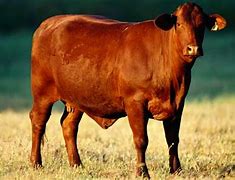
Yehovah gave us the mitzvah of the Red Heifer/Parah as a remedy if we, for some reason or another, became ritually impure, as would be the case if we came into contact with human remains. The “waters of purification,” which consisted primarily of the ashes of a Red Heifer/Parah, were meant to purify the impure soul. (chabad.org)
Our reading contains Father’s instructions for preparing “the waters of purification” (Numbers/Bemidbar 19:1-22). Back in the day when the Torah was the law of the land, the religious leaders would remind the people that it was their responsibility to ensure that they were in an acceptable state of ritual cleanliness before making the Pesach pilgrimage (myjewishlearning.com). If this idea of the Hebrew religious leaders reminding the people in advance of Pesach to purify themselves is true, Shabbat Parah makes sense, for it serves as a call to Yehovah’s people to prepare themselves to receive Pesach–Mashiyach, which the Prophet Ezekiel addresses in the assigned Shabbat Parah Haftorah reading.
Let’s explore this parshah and see if we can uncover the incredible spiritual shadow pictures contained therein.
Numbers 19 Survey
(19:2) The requirement that the “parah” (aka red heifer) be red in color seems to be connected/associated with “the importance of blood in the purification ritual that follows” (Robert Alter; The Five Books of Moses; pg. 778). In his Torah and Haftorah, J.H. Hertz comments that the “redness of the heifer” may have been symbolic of sin, as suggested in Isaiah/Yeshayahu 1:18.
The term “parah” in Hebrew may denote either a “cow” or “heifer.” Hebrew tradition has firmly settled on the “parah” in our reading being a red heifer.
The parah was to be (1) “perfect” (i.e., tamiym or complete), “without blemish” (i.e., m’uwm; that which renders a thing as useless or without value), and (2) not to have had a yoke (‘owl or ‘ol) put upon it at any time during its life (i.e., the animal should not have been used for any mundane or profane purposes during its short life).
(19:3) The animal having these traits was to be taken outside the camp by a Levitical Priest, and his attendants would slaughter and burn the animal (vs. 19:8). The priest was not to be in direct contact with the creature during this process.
(19:4) As the parah was being slaughtered, the priest was to collect some of the animal’s blood, dip his finger in the collected blood, and sprinkle it toward the front of the Tent of Meeting 7 times. This blood, according to Alter, served as a “spiritual detergent” (Alter; pg. 778).
(19:5-6) In overseeing the slaughter and the complete incineration of the animal, the priest was to toss cedarwood, hyssop, and crimson onto the pyre. These 3-items were typically used by Levitical Priests in the purification ritual of lepers as recorded in Leviticus/Vayiqra 14:1-4.
(19:7-8) After this ceremony, the priest was required to mikveh himself (i.e., ceremonially wash) in living water and wash his garments. Only then would he be permitted to re-enter the camp. But he would be ritually unclean until evening.
(19:9) A man whom the passage describes only as being “clean” would be tasked with collecting the ashes of the incinerated “parah” and storing them “outside the camp in a clean place.” These ashes were to be kept as a medium for purification: “riddance water,” an offense offering (Alter; pg. 779); “water of sprinkling” (LXX); “water of purification;” as purification for sin (NET); “water of cleansing,” a purification from sin (NIV); mayim of separation, purification from sin (RSTNE).
These ashes were suspended in water and functioned as Yah’s sanctioned medium for expunging contaminants or impurities from an individual when applied in conjunction with the required washings (19:17).
These ashes were not only associated with expunging physical impurities, such as that associated with encountering human remains, but also with purification from sin.
As with the officiating priest, the “clean man” to gather and store the ashes was required to mikveh himself and wash his clothes before returning to camp. He, too, would remain ritually impure till sundown (19:10).
The Targum Pseudo Johnathan on the Pentateuch describes the processing of the ashes in some detail:
And a man, a clean priest, shall gather up the ashes of the heifer in an earthenware receptacle, its opening covered roundabout with clay; and shall divide the ashes into three portions, of which one shall be placed within the wall (of Jerusalem), another in the Mount of Olives, and the third portion be in the custody of the Levites; and it shall be for the congregation of Israel, for the Water of Sprinkling: it is the heifer (immolated) for the remission of sins (19:9; PJE Targum Pseudo Jonathan on the Pentateuch).
(19:11-13) Any individual who would make contact with human remains was ritually impure for seven days. During these seven days–the 3rd day–they would be required to have the waters of purification sprinkled upon them. This one would not be permitted access to the Tabernacle until they completed the purification process. Any who violated this instruction was to be cut off from Israel.
(19:14-22) Given the rather sizeable population of our nation at that time, deaths would have been a common daily occurrence. This being the case, Abba Yah set instructions for us to follow if a family member was to die in our tent or we happened upon human remains in a field. In every case, by our contact with the remains, we would be ritually unclean for 7-days. And we would need for the waters of purification–made from the ashes of the incinerated red heifer—to be sprinkled upon us on the 3rd and 7th day of our uncleanness. Then on the final, 7th day of our uncleanness, we would be required to mikveh ourselves and our clothes. We would remain unclean till sundown on the 7th day. Consequently, throughout this 7th-day period, our uncleanness precluded us from worshiping at the Tabernacle/Temple.
The Spirit and Truth of the Mitzvah of the Red Heifer
The shadow picture that the mitzvah of the red heifer paints for us cannot be overstated. If we always remember Apostle Paul’s brilliant perspective as it relates to the applicability of spiritual principles that may be derived from God-ordained natural events (1 Corinthians 15:46).
Yah knew well in advance that there would come a time when the Tabernacle/Temple would no longer be in operation, and perfect red heifers would be hard, if not impossible, to come by. In that case, did Yah’s requirement that His chosen ones be clean whenever they come before Him lessen or change? No, Yah still requires that we go before Him in a clean state. But the way His chosen ones are purified today has changed. The mitzvah of the red heifer foreshadowed the renewed covenant provisions for physical and spiritual uncleanness through the Person and Ministries of Yeshua Messiah. We are made clean from all unrighteousness and physical uncleanness through the shed blood of Yahoshua and the confession of our sins to Yehovah (Isaiah 1:16; Ezekiel 36:35; 1 John 1:7, 9; Revelation 1:5).
No, the red heifer was not a foreshadowing of Yeshua HaMashiyach but of Yeshua’s role in Yehovah’s grand plan of salvation, redemption, and restoration; atonement of sin; and the cleansing of any who would be His child from all unrighteousness.
The mitzvah of the red heifer has the attention of millions of Jews and denominationalists these days due to news that 5-rabbinically approved red heifers were handed over to Israeli religious leaders late last year. Many of these faithful ones believe that these five red heifers are precursors to the building of a 3rd Temple and the advent of the Great Tribulation. As fascinating as this story is, however, I’m afraid it is beyond the scope of this discussion.
The Call for God’s People to Get Clean
The Haftorah of Shabbat Parah amplifies the concern of God’s chosen ones being found in a state of uncleanness whenever they come before Yehovah. But instead of our uncleanness being due to physical contact with human remains, the prophet focuses on the unclean state that sin brings to Yah’s chosen ones (Ezekiel 36:16-38).
Yah has never tolerated physical or spiritual uncleanness in His human creation simply because He is supremely holy. Unfortunately, we, flawed humans, are prone to physical and spiritual uncleanness from time to time. This naturally puts us at odds with Yah. Fortunately, Yah has made provisions to rectify this situation, for it is through the Person and Ministries of Yeshua HaMashiyach that we are made whole and clean.
The Apostle John/Yochanan wrote:
“If we confess our sins, He is faithful and just to forgive us our sins, and to cleanse us from all unrighteousness” (1 John 1:9; Peshitta).
Regarding his perceived uncleanness before Yehovah, the Psalmist wrote:
“I acknowledged my sin unto thee, and mine iniquity have I not hid. I said, I will confess my transgressions unto Yehovah; and thou forgavest the iniquity of my sin” (32:5; KJV).
All uncleanness, whether physical or spiritual, has, as its origin, sin. And Yah requires that all sin be expunged from the lives of His chosen ones.
Haftorah of Ezekiel 36:16-38 Survey (LXX)
(36:17) Abba Yah recalls for the prophet a time when the House of Yisra’el dwelt in the Land of Promise. The people defiled the land by virtue of them going about their lives according to their own ways, which included them practicing idolatry and all sorts of ungodly things (cf., Jeremiah/Yermayahu 2:7). This sad state of uncleanness repulsed Abba, who likened the nation’s uncleanness to that of niddah.
House of Israel’s refusal to repent from her evil ways and teshuvah to a state of cleanness before Yehovah ultimately led to Yah pouring out His wrath upon them (36:18). Earlier in this prophet’s writings; Yah describes His wrath accordingly:
“Mine eye shall not spare, nor will I have any mercy: for I will recompense thy way upon thee, and thine abominations shall be in the midst of thee, and thou shalt know that I am Yehovah” (Ezekiel/Yechezkel 7:8; LXX).
His wrath and judgment were manifested in great part by His scattering us among the nations (36:19). He said that His judgment was carried out in accordance with our way and in response to our sin (36:19b).
Abba Yah told our forebearers who were about to conquer and take possession of the Land of Promise that this scattering would indeed happen:
“And Yehovah thy Elohim shall scatter thee among all nations, from one end of the earth to the other; and thou shalt there serve other gods, wood, and stone, which thou hast not known, nor thy fathers” (Deuteronomy/Devarim 28:64; LXX; cf. Ezekiel/Yechezkel 22:15).
And we profaned our Elohim’s Name by virtue as a byproduct of our being scattered and incorporated into the nation peoples of the world (36:20). And how did we profane Yah’s name among the nations? Through our failed witness of Him. Our continued breaking of the covenant with Yehovah led to Him scattering us among the nations, which spoke poorly of Yehovah to the nations we were scattered among. For there was a time when Yehovah was known by many of the people and nations of the world by virtue of our continued presence in the Land and Yah’s continued provision and protection of us while we dwelt in the Land. At one point in our history, we were a beacon of light to a dark world. But when we fell from Yah’s grace by virtue of our breaking covenant with Him, we lost that witness, and our light was essentially extinguished.
One of our many purposes as Yah’s set-apart, covenant people is to be a light to the world by virtue of us being a holy kingdom of priests unto Yehovah (19:6). Abba told us that we were to be above all nations, glorious and holy unto Him as He has purposed (Deuteronomy/Devarim 26:19). We were to be called priests and ministers of Yehovah and eat of the strength of nations and be admired because of our wealth (Isaiah/Yermayahu 61:6). We were to be a peculiar people beyond all nations on the face of the earth (Deuteronomy/Devarim 7:6). And so much more.
But when we fell from Yah’s grace because of our disobedience, all those glorious national and individual qualities fell with us. No longer would the world look admirably and fearfully upon us as a people of Yehovah. Yah’s glory–His reputation before the nation peoples of the world, because of our failure, was diminished in their minds. And if there’s one thing that upsets Yah just as much as idolatry and disobedience, it’s when we profane His Name before the unbelieving nations of the world.
From when Abba Yah first gave us His Torah, His standards of righteousness, and His expectations that we would walk in, those standards never changed. Yet, our stiffnecked ways caused us to perpetually break covenant with Yehovah. In so doing, we were ripe to incur Yah’s judgment and wrath.
Despite our having fallen from grace by breaking covenant with Yah, His love for us never ceased (36:21). Yet His holy Name–His righteous, just, and faithful manner—brought about our survival as a people even after being dispersed among the nations (36:22). Many of us today are descendants of Ephraim and Manasseh, and we don’t even know it.
Yah then set about to restore His Name among the nation peoples of the world, despite the damage we did to it (36:23). And His holy Name would be restored among the nations, in great part, once we get around to us sanctifying Him before their eyes; when we finally teshuvah and call upon His holy Name.
And when our Jewish brethren finally do repent and teshuvah, Yah will gather us from the nations of the world and return us to the Land of Promise (36:24; cf. Isaiah/Yermayahu 43:5). Then Yah will sprinkle us with clean water (i.e., the spiritual waters of purification) that will purge us from all our uncleanness (36:25). This water of purification, that will consist of the blood of Yeshua’s atoning sacrifice, His Ruach HaKodesh, and His Word, was foreshadowed in the mitzvah of the red heifer (Numbers 19).
And Yah’s purifying will bring about the implanting of a new heart and new spirit within those that will be His (36:26). In other words, by virtue of this national and individual purification, under the auspices of the renewed covenant, we will become new creatures in Yeshua HaMashiyach (Ephesians 4:24; Colossian 3:10). Many of us have already received an earnest of this promise. But there’s coming a day when all Israel will be saved (Romans 11:26).
Furthermore, Yah will dwell within His beloved (36:27). His presence within His beloved will cause them to want to walk in His Ways–according to His Torah: Yeshua-focused Torah Living. So, when Yah finally does dwell within us, we can safely say and know that we are indeed clean. Doesn’t mean that we won’t sully our spiritual garments from time to time. But if we have His Spirit, we quickly return to our previous clean state through prayer, repentance, teshuvah, and obedience.
And we will once again dwell peacefully in the Land of Promise with Yehovah as our Elohim (36:28). And all of the curses that we incurred upon ourselves by virtue of our uncleanness–our sinful ways—our breaking covenant—our disobedience, will be reversed and we will once again be abundantly blessed of Yehovah through an unbreakable fellowship (36:29-30, 33-36).
The change that Yah will affect in each of us will profound. We will never forget what we did to cause us to fall out of Yah’s favor. Yet we will also remember all that Yah has done for us. And that which Yah has done for us, such as fulfilling all His covenant promises, was not because of anything we have done to deserve His grace. But rather, His Holy and Righteous Name will be the thing that brings about this salvation (36:31-32).
These Shabbat Parah promises, as foretold to us by the Prophet Ezekiel/Yechezkel, will be a future miraculous fulfillment of Yah’s Word. Certainly, one may reasonably argue that Yah began restoring His people unto Himself when national Yisra’el returned to the Land of Promise in 1948. However, one may also reasonably put forth the argument that the purification of our Jewish brethren has not yet taken place, but except for a remnant of souls that have come to know Yeshua as their Messiah and who have come to a restored covenant relationship with Yehovah our Elohim. But most of our Jewish cousins remain in a state of uncleanness, and thus the Land also remains unclean.
We, who some say are descendants of scattered Ephraim and Manasseh, have already begun to reap the benefits of the renewed covenant. We are the Firstfruits of the Spirit, who are being purified by Yah through the Person and Ministry of Yeshua Messiah under the auspices of the renewed covenant. The atoning blood of His Son/Messiah has cleansed us from all unrighteousness, and He has begun circumcising our stony hearts by the work of His Ruach HaKodesh within our beings.
So, beloved, as we approach a New Calendar Year and the wonderful Spring Holy Days, let us be ever so mindful of the waters of purification that Heavenly Father has sprinkled upon us through the Person of His Son Yeshua HaMashiyach. And thus, may we walk circumspectly before Him and usher in the Spring Feasts as a holy and righteous people who are Kingdom bound.
May you have a powerfully blessed Shabbat Parah beloved.
But before we got too far into this new week, I wanted to share some post-Shabbat Torah Reading thoughts and reflections with you.
Yesterday’s portion was the 73rd reading of the 3-year Torah Reading cycle. The reading was contained in Exodus/Shemot 38:21-31, the Haftorah reading in Jeremiah/Yermayahu 30:18-22, and the Apostolic in Romans 12:1-13.
We find in the Torah portion of our reading what I would describe as the beginning or start of an accounting of the materials donated for the Tabernacle building. In the Haftorah portion, we received a prophecy of the coming restoration of Israel. In the Apostolic, Paul/Shaul admonishes His readers to be set apart in all they do.
We learn from these passages that it becomes our responsibility to make Abba Yah a suitable dwelling place per His exacting requirements and specifications.
Our Bodies Have Become the Dwelling Place of our God
Let us remember that the Tabernacle and Temple are no longer in operation. Abba Yah, in his infinite wisdom, transitioned His dwelling place from these former edifices to that of our bodies (I Corinthians 3:16; 6:16,19). But we also know that Yehovah’s Spirit will not dwell in a place He has not sanctioned for Himself to dwell in. As He did with our ancient forebearers tasked with constructing the Tabernacle, He requires that our persons be appropriately tended to, which means that for His presence to dwell within us, our being must conform to His specifications. First and foremost, sin must be eradicated from our lives, and we must walk upright and perfectly before Him.
The example of the building of the Tabernacle from the freewill donations of our forebearers’ valuables shows us that Yehovah will use that which we are willing to offer Him from our lives as the elements that will comprise His dwelling place in us. Thus, He will use our unique giftings and talents; our drive and zeal for Him and His Ways; our understanding and love for Him; and so much more to construct His dwelling place within us. And when we avail ourselves to such an endeavor (through the working of Abba Yah’s Holy Spirit), Yehovah will transform that which we’ve offered Him and transform us into a beautiful and inviting abode in which He may dwell.
Our Tenuphah Goes to Constructing our Personal Temples
That which our ancient forebearers voluntarily for the construction of Yehovah’s Tabernacle are classified as “Tenuphah” or “Wave-Offerings.” Yehovah’s people willingly and happily rendered these offerings unto Yah for His expressed purpose. Thus, the valuable possessions of gold, silver, and other precious materials that our forebearers provided for the Tabernacle project were intended to fulfill Yehovah’s purpose and plan and for His glory on the earth. Contrary to their pagan counterparts, our forebearers did not erect Yehovah’s dwelling place to glorify themselves as a people. For the glory of Yehovah serves to enlighten the unbelieving world about Yehovah and His holy and righteous ways (Deuteronomy/Devarim 4:5-8).
Moses/Moshe, according to our reading, makes an accounting of every donated article. His accounting reveals that nothing presented went to waste or was misused. Everything that was donated was used in the building of the Tabernacle, and this fact is a miracle.
Typically, when people receive goods that are supposed to be used for Kingdom purposes, some of what is received tends to be misused, squandered, or even lost. But in the case of the precious donated items entrusted to Moses/Moshe and his skilled artisans, nothing went to waste or was misused.
The Work of the Holy Spirit in the Construction of our Personal Temples
Moshe and his trustworthy artisans are a type of Holy Spirit in that, for us today, everything we offered to Yehovah as “Tenuphah” is properly used for His glory. The Holy Spirit/Ruach HaKodesh, which operates in each of us who are Yehovah’s elect, uses it all to create within us a holy and acceptable dwelling place for Abba Yah. This includes, but is not limited to, our talents; our abilities; our material possessions; our understanding of Him and His ways; our life, health, and strength; our zeal; our hopes; our trusting faith. And when we willfully turn our whole lives over to Yehovah (i.e., everything), Yehovah’s Holy Spirit takes all those donated elements. It transforms them and us into glorious dwelling places for Yehovah that serve as shining testimonies to Yah’s love, mercies, holiness, righteousness, and truth.
This process is evinced by the faithful walk of Yah’s elect or their fruit (aka the Fruit of the Spirit as outlined in Galatians 5:22-23). This is embodied in the silver and gold donated and used by our forebearers in the tabernacle’s construction. But are these righteous characteristics or traits manifestly seen in us by the unbelieving world? These righteous characteristics or traits rarely manifest among the unbelieving souls of this sick and dying world. But they must be the faithful elements that form Yah’s dwelling place in us. Thus, for this all to happen, we, as Yah’s elect, must die to self; we must learn to “let go and let God!” And in our dying to self, we provide Yehovah the beautiful and holy dwelling place that He seeks from us. And the holy dwelling place that we provide for Him will give this sick and dying world hope and light in the midst of perpetual darkness.
Let us endeavor this week as we journey on in our pilgrim journey to Tenuphah, our lives to the service of Yehovah. May the silver and gold of our lives make for the most beautiful and holy dwelling for our Elohim.
Our Torah and Haftorah Reading in Light of Where we are on the Calendar
This is a special Shabbat, for it is the Shabbat that immediately precedes the Jewish holiday of Purim. According to our observational calendar, Purim will occur at sundown on M-nday, 3/6/2023, and end at sunset on T-esday, 3/7/2023.
Jewish tradition holds that on this day annually, Deuteronomy/Devarim 25:17-19 is to be read in addition to the scheduled weekly Torah Reading. Furthermore, 1 Samuel 15:2-34 is to be read as an additional Haftorah Reading.
The Commandment to Remember the Evil of Amalek
We find recorded in Deuteronomy/Devarim 25:17-19 mention the unprovoked and vicious attack on the weakest of our ranks by the Amalekites as we journeyed out of Egypt. That incident is recorded in Exodus/Shemot 17: 8-16. And in mentioning this brutal, unprovoked attack by the Amalekites, Yehovah, through Moses/Moshe, commands us to remember what the Amalekites did to us on that terrible day. And in Moses’ instruction to us to remember the evil of Amalek, we were further instructed to “…eradicate it from the face of the earth” (Zachor; Chabad.org).
The Lesson of King Saul and Samuel
We find it recorded in 1 Samuel 15:2-34 the story of our first king, Saul/Shaul, whom Yehovah commanded through the Prophet/Judge Samuel to go to battle against the Amalekites. In that commandment to war against the Amalekites, Saul would annihilate every living thing and destroy all their possessions without exception. Saul complied with Abba’s command and took his warriors to battle against the Amalekites. Although Saul was successful in his campaign against Amalek, he captured the Amalekite king Agag alive, took possession of some of their choicest livestock which he later claims he intended to use for sacrifices unto Yehovah, and allowed his men to lay hold of some of the Amalekite’s valuable possessions.
This blatant disregard by Saul to carry out Yehovah’s instructions to the letter infuriated Yehovah. Thus, Yah dispatched the Prophet/Judge Samuel to confront Saul and make him answer for his transgression.
In responding to Samuel’s allegations that he failed to follow Yehovah’s commandments to destroy every Amalekite living soul and possession, Saul admitted to giving in to the desires of his warriors and his own heart and reasoning on the matter. But the king justified his failure to obey Yehovah by stating his intention to sacrifice the livestock unto Yehovah.
But Samuel cuts Saul’s lame excuses off by putting the concept of unwavering obedience to the instructions of Yehovah into proper perspective for him:
“Does Yehovah take pleasure in whole-burnt-offerings and sacrifices, as in hearing the words of Yehovah? Behold, obedience is better than a good sacrifice, and hearkening than the fat of rams” (15:22; LXX). And it is then that the prophet delivers unto the king the harsh blow that because of his blatant disregard for Yehovah’s explicit commands, He was going to strip Saul of his throne (15: 23, 26, 28).
The Amalekites Possessed no Fear of God
In our Reading of Deuteronomy/Devarim 25:17-19, Moses reminds his listeners who were preparing to conquer the Land of Promise of the Amalekite incident. Moses stresses to his righteous listeners that they must remember or “Zachor” what Amalek did to their parents during our exodus from Egypt. And he adds depth to the Amalek story by reminding his listeners that Amalek was a merciless adversary who took advantage of those bringing up our rear. He described those souls bringing up our rear as being tired and hungry. Yet Amalek attacked them because “he did not fear Elohim” (25:18).
The Amalekites no doubt had heard what Yehovah did to our former Egyptian taskmasters. Yet, he showed no respect, no fear of Elohim. And thus, Amalek’s attack was as much an attack against Yehovah as it was against us as seemingly vulnerable people.
And then Moses prophesies that after we peacefully settle in the Land of Promise, we would “blot out the name of Amalek from under heaven” (25:19), which takes us to the Haftorah portion we previously discussed.
Why the Command to Zachor/Remember the Evil of Amalek?
So, why is it important to remember the Amalek incident, and why are these readings tied to this Sabbath?
The Amalekites of the Exodus and King Saul incidents were Esau’s descendants, essentially Edomites. The age-old feud between Jacob/Ya’achov and Esau aside, the Amalekites effectively embodied the spirit of Esau. The essence of Esau would, in one form or another, plague our people generation after generation. Every generation faces a new set of Amalekites that seek to destroy us as Yehovah’s set-apart people.
In a couple of days, many of us will, in some form or another, celebrate or commemorate Purim. To be clear, Purim is a Jewish holiday commemorating Yehovah’s foiling of the high Babylonian official Haman’s plot to annihilate us. It is not a mandated Feast of the LORD.
Haman was of the Esau, Amalek line and was just another Luciferian proxy charged by the enemy to exterminate us. Like the Greeks and the Romans that would come later, he was a willing proxy of the enemy to destroy Yehovah’s set-apart people. But each time the enemy sends forth another Amalek to exterminate us, Yehovah raises those He equips to withstand them, such as He did with Mordecai and Queen Esther.
The arch-enemy Haman’s beef was not with the Jews as a captive ethnic group, as many have postulated. But instead, Haman despised just one man: righteous Mordecai, Queen Esther’s uncle.
Because Mordecai was a righteous Jew who chose to remain loyal to Torah and his Hebrew culture, he refused to prostrate himself before Haman, who he knew was of the line of Amalek. Mordecai’s refusal to prostrate himself insulted and infuriated Haman so much so that he decided to make every Jew of the Babylonian Captivity pay for Mordecai’s perceived stubbornness with their lives.
Thus, Haman’s aught was not with the ethnic Jewish captives, not so much with Mordecai, but more so with Yehovah, who instills within His faithful ones like Mordecai His holy and righteous ways and mindset. These stand firm against those enemy proxies who endeavor to war against Yehovah and His set-apart, chosen ones.
Nothing has changed, however, throughout the centuries. The generational Amalekites are always concocting ploys to defy Yehovah and harm His people. And this is why, in significant part, Yehovah commanded us in our reading today to remember— “Zachor” Amalek and His evil deeds. Zachor means to place a key event as a memorial and or mention that key event through teaching or discussion (Jeff Benner’s Ancient Hebrew Lexicon; page 324).
For us, it is to recall and rehearse in spirit and truth all the Amaleks of history. We are to rehearse, recognize, understand, and watch for the modern-day Amaleks lurking in the world. These seek to rob us of our opportunities to walk in Torah and worship the God of Avraham, Yitschaq, and Ya’achov.
Shammai Engelmayer, in his article entitled “Why we must Remember Amalek,” goes even further by suggesting that the most formidable Amalek that any of us will have to face is the Amalek from within.
The Take Away of Shabbat Zachor
We all possess Amaleks within us. For whenever we resist obeying Yehovah’s instructions in righteousness; whenever we quench Abba’s set-apart Spirit operating in our lives; whenever we give in to our base nature and turn our backs on holiness and righteousness; whenever we neglect or refuse to teshuvah; whenever we fail to study and embrace Yah’s Words of Life, we entertain and permit the spirit of Esau-Amalek to take precedence in our lives. We must annihilate that inner Amalekite with extreme prejudice and wipe it from all remembrance. All of which is to say, beloved: Let us examine ourselves daily and flesh out the Amalekites that dwell within and seek Yehovah’s assistance in ridding ourselves of it. Praise Yah!
Thus, we must take Shabbat Zachor to heart in 2023, for it is through this critical annual rehearsal-remembrance we become better prepared to deal with the Amalekites that encroach upon our lives.
Have a meaningful and blessed Shabbat Zachor beloved.
Shabbat Shalom, beloved of Elohiym. I pray that you, your families, and your fellowships are well and blessed on this blessed day of rest in Yeshua Messiah.
This is “The Ordination of the Levitical Priests: A Foreshadow of Good Things to Come.”
It will discuss the 66th parashah of our 3-year Torah Reading Cycle, contained in Exodus/Shemote 29:1-46.
The previous two readings were about Yah’s plans for constructing the Tabernacle and its instruments/implements of worship. These would be rough imitations of the heavenly Mishkan that Yah showed Mosheh from His holy mountain.
Today’s Reading revealed Yah’s plan for Aharon and his sons’ ordination.
Aharon and sons would present themselves at the entrance to the Tabernacle to begin their ordination.
Filling our Hands
One of the many concepts we may draw from our Reading this week is the Hebrew rite of ordination or consecration.
It carries a most curious connotation, which, when correctly translated, possesses tremendous spiritual applications. Moreover, the associated sense is “the filling of one’s hands.”
In the opening verse of our Reading, Yehovah instructs Mosheh to consecrate/ordain (I.e., qadash) Aharon and sons to serve Him as set-apart priests. Through the ceremony laid out before us in our Reading, Mosheh would, in effect, be “filling the hands” of Aharon and sons, which is to say that their entire existence would be dedicated exclusively to the service of others and unto Yah.
As an aside, it so happens that the sacrifices that would accompany this consecration/ordination ritual were referred to as “filling offerings” (TimHegg’s Commentary on Torah Reading 66).
The Levitical Priestly Heritage Rested Exclusively with Yehovah
So full would the “hands” of the priests of Yah be that they would not receive the coveted land inheritance that was promised to the descendants of the patriarchs, nor would they engage in any family trade as a means of income.
Moreover, Yehovah said to Aharon: “thou shalt have no inheritance in their land, neither shalt thou have any portion among them; for I am thy portion and thine inheritance in the midst of the children of Yisra’el” (Numbers/Bemidbar 18:20; LXX).
Wherefore Levi hath no part nor inheritance with his brethren; Yehovah is his inheritance, according as Yehovah thy Elohiym promised him (Deuteronomy/Devarim 10:9; KJV).
(1)The priests the Levites, and all the tribe of Levi, shall have no part nor inheritance with Yisra’el: they shall eat the offerings of Yehovah made by fire, and his inheritance. (2) Therefore, shall they have no inheritance among their brethren: Yehovah is their inheritance, as He hath said unto them (Deuteronomy/Devarim 18:1-2; KJV).
Thus, their service unto Yah would result in Yah providing for all their needs. Furthermore, from a spirit and truth perspective, isn’t this exactly what our Master admonished us to do?
(31) Be not anxious, therefore, nor say, “What shall we eat, or what shall we drink, or, how shall we be covered?” (32) For after all these things do the people of the world inquire: but your Father who is in heaven knoweth that also by you are required these all. (33) But seek first the kingdom of Aloha and His righteousness, and all these shall be added unto you (Matthew 6; The Etheridge NT Peshitta).
Like the Levitical Priests of Old, Our Inheritance as Netzarim Rest Exclusively in Yehovah
Of course, this is not to say that we, as Netzarim, need not work and do what is required to provide for our families and ourselves. The apostle Shaul wrote to the Thessalonian Messianic Assembly “that everyone who willeth not to work, neither should he eat” (2 Thessalonians 3:10). But instead, our Reading suggests an understanding that Yehovah will provide for all our needs if we but dedicate ourselves to Him and His service above all of life’s concerns.
Despite the many spiritual applications one may glean from this Reading, we must recognize that it is first and foremost a foreshadowing of the Person and Ministry of our Master Yahoshua HaMashiyach (Hebrews 9:11). For indeed our Master’s hands were filled with service unto Yah and to those whom He was sent He set free from the bondage of sin and despair. Yes! He alone is our High Priest after the order of Melchizedek, interceding even today in the heavenly Mishkan (Hebrews 5:8-10; 7:25).
What I would like to do for the remainder of this discussion is to walk through the various steps of the Levitical Priesthood Ordination Ceremony and glean from them the spirit and truth applications that we, as Netzari, should recognize and apply to our respective walks with Messiah.
Step One: The Cleansing/Washing (29:4)
The first step of the priestly ordination ceremony would be for Mosheh to wash Aharon and his sons with water at the entrance to the Tabernacle (aka the “miqdash”).
When we come across mention of God’s people undergoing some form of washing in scripture, it tends to have nothing to do with personal hygiene. But instead, it is an act or action meant to transition God’s set-apart people from a state of ritual impurity to a state of ritual or ceremonial purity. You see, because Yah is holy (aka qadosh), He requires that His people be in a spiritually clean (and, to some extent, physically clean) state in order for them to be in His presence. Thus, He requires those who would come to worship Him to be in a state of ritual purity or cleanliness. (For the sake of time and not going off course in our discussion, we will put off any further discussion on the general topic of ritual purity for another time.)
Nevertheless, the washing that Aharon and his sons would undergo would be a precursor of washings that would be required of God’s people whenever they were found to be in a state of ritual impurity (e.g., when they came into contact with the remains of a dead person or animal; when they have suffered a contagious and debilitating illness such as leprosy; etc.) and they sought to worship Yah at His dwelling place (I.e., the Tabernacle or Temple). The sinfulness of general human existence would place one in a state of ritual impurity and disqualify one from entering into worship until they were made ritually pure.
On every such occasion, the ritually impure soul would be required to wash in a body of living water, often referred to as a “mikveh.” In the case of our Reading today, however, Yah ordained that Mosheh wash the candidates for ordination with water at the tabernacle entrance.
As an interesting aside, archaeologists have, over the decades, uncovered several mikveh pools and baths on the temple mount. This is evidence that being in a state of ritual purity was an inseparable part of Hebrew worship during the first and second temple periods. Moreover, even today, many synagogues around the world have mikveh pools installed on-site as a convenience for their members to enter into a state of ritual purity when they come to the synagogue to worship.
The Priestly Washing: A Foreshadow of Yahoshua’s Baptism by John the Immerser
This washing that Aharon and his sons would undergo as part of their ordination into the Levitical Priesthood foreshadowed the baptism of Yeshua Messiah.
But first, a little background is in order here.
A Levite could only be ordained to serve in the Holy Place once he reached his 30th year (Numbers 4:2-3). Luke 3:23 records that Yahoshua began His public ministry at about 30 years of age, which parallels the Levitical priestly office age requirement.
However, Yeshua was of the Tribe of Judah/Yehudah, which would technically disqualify Him from being a Levitical Priest (Hebrews 7:14). But Abba had another priesthood in mind for His beloved Son and ultimately for those who would be His (Hebrews 7:11-12). Yeshua would instead be ordained into the Melchizedekian priesthood (Hebrews 7:14-17).
Thus, the first step in that ordination process was for Him to undergo the required washing. In that day, the washing would come in the form of John/Yochanan the Immerser’s baptism.
It must be firmly understood that although John’s/Yochanan’s water immersion was for purposes of teshuvah—repentance and remission of sins (Matthew 3:11), our Master Yahoshua because He was sinless, underwent water immersion to fulfill the requirements for His entry into the priesthood:
(13) Then came Y’shua from Galeela to the Yordanan to Yochanan, to be immersed by Him. (14) But Yochanan was refusing Him and said, “I should be immersed by You, and You come to me.” (15) Then Y’shua answered and said to him, “All (it) now for as such, it is proper for us to fulfill all righteousness,” and then he allowed it (Matthew 3; AENT).
Yahoshua, our Messiah, would thus begin His ministry as our High Priest, His hands filled with service to His Father and humanity. Thus, in spiritual alignment with the Levitical Priesthood, He would be about atoning for the sins of those who would be God’s people.
The Priestly Washing: A Foreshadow of Water Immersion for God’s Covenant People
In addition to Aharon and sons’ ordination washing being a foreshadowing of our Master Yahoshua’s water immersion by John/Yochanan, I cannot help but see the parallels to the water immersion we Netzarim undergo when we come into Faith.
Why must a would-be disciple of Yahoshua Messiah undergo water immersion? Well, there are a few solid reasons why.
1. Our Master Yahoshua was water immersed by John/Yochanan the Immerser. Moreover, as His disciples, we must imitate Him in every conceivable way. And that, of course, would include being water immersed.
2. Water Immersion was required of all who came to Faith through Yeshua Messiah (as recorded throughout the Book/Cepher of Acts of the Apostles), and the tradition continued throughout the early assemblies of Messiah.
3. Water Immersion is often the conduit by which a disciple of Yeshua receives the gift and indwelling of Yah’s precious Holy Spirit (aka the Ruach Qodesh).
So, as Yah’s covenant people, we follow the example set by our Master Yeshua and undergo water immersion when we come into Faith. We do so for the remission of sins, to publicly be identified as a disciple of Yahoshua Messiah, and because it is the right thing to do.
Step Two: Aharon and Sons Don their Priestly Garments (29:5-6, 8-9)
After being washed by Mosheh at the entrance to the Tabernacle, Aharon and his sons were to put on their newly created priestly garments.
I will not rehash the content of that discussion here, but I humbly suggest that if you have yet to read that post and are so led, check out that post.
Having been made ritually pure by Mosheh’s washing, the priestly candidates were then permitted to don their priestly vestures and be ready for service unto Yah.
One cannot truly serve Yah as He requires unless they are spiritually pure/clean. Furthermore, upon becoming spiritually pure/clean through the Person and Ministry of Yeshua Messiah, we receive our holy spiritual garments, which we are tasked to maintain in a pristine state for service unto Yah.
Let us not forget, beloved: We are priests in training, and Yeshua is our Cohen HaGadol (Revelation 1:6; 5:10). Thus, it behooves us to understand the tremendous spiritual applications contained in the Reading that is before us today.
Step Three: The Anointing (29:7)
After Aharon and his sons were washed by Mosheh and dressed in their priestly garments, Aharon would receive the anointing for His High Priestly office with oil.
Our Reading tells us that Yah tasked Mosheh to apply the anointing oil to Aharon’s head.
Mosheh’s pouring of the sacred anointing oil upon Aharon’s head during the ordination ceremony (referred to as “meshuchim”) served to consecrate or dedicate or set apart Aharon for service as a High Priest or Cohen Gadol.
Although not explicitly mentioned in scripture, the use of oil to anoint the Levitical High Priest, a Hebrew prophet, or a king of Yisra’el, is linked to and foreshadowed the gift and indwelling of the Holy Spirit (aka, Ruach HaQodesh).
The renewed covenant parallel here as it relates to the anointing of Aharon and the Holy Spirit descending upon our Master Yahoshua just after His baptism is striking.
When our Master Yahoshua emerged from the waters of His baptism by John the Immerser, Yah’s Spirit (aka, His Ruach) “descended like a dove upon Him” (Matthew 3:16; cf. Isaiah 11:2-3; 42:1-7; 61:1).
Furthermore:
(13) And when the accuser had finished all his temptations, he departed from His presence for a while. (14) And Y’shua returned in the power of the Spirit to Galeela…(Luke 4:13-14; AENT).
The actual work of the Kingdom requires Abba’s Spirit to dwell upon and within His chosen ones. Among a great many things, the Father’s Ruach empowers, authorizes, encourages, teaches, leads, guides, protects, and sets His chosen ones apart from the rest of the world for His exclusive service. Like Aharon, the anointing was an intricate, inextricable element of Yahoshua’s ordination or consecration to His priestly office of Cohen Gadol after the order of the Melchizedek (Psalm 110:4; Matthew 17:1-9; Hebrews 5:6; 6:20; 7:17).
It was a common occurrence that the Holy Spirit would be poured out upon the first-century saints upon them receiving water immersion (John 1:33; Acts 2:38-41; 10:47-48; 11:16-17). When some of us are water immersed, we receive the gift of the Holy Spirit. Others, such as Cornelius (Acts 10:45), receive the essential baptism of the Ruach HaQodesh (aka the Holy Spirit)—or the anointing–at another time during the believer’s walk with Messiah. This is to say, Yah determines when one will receive His anointing or His precious Spirit.
As priests in training (Revelation 1:6; 5:10), like our Master before us, we receive the Holy Spirit—Abba’s anointing—so that we may be of exclusive service to Yah and His Kingdom.
Step Four: The Sacrifices and Offerings
The next multi-faceted step in Aharon and sons’ ordination ceremony involved 3-sacred sacrifices/offerings.
Beginning in verse 10, Mosheh is instructed to provide a bullock for a vicarious sacrifice offering as an essential part of the ordination ceremony.
This vicarious sacrifice was meant to atone for and expiate the sins of Aharon and his sons. One cannot have access to and serve Yah unless they are spiritually pure (unless their sins are first atoned for and expiated).
Aharon and sons would be instructed to place their hands upon the head of the bullock just prior to the animal being killed. This is an essential element of a vicarious sacrifice. The placing of the hands of the offerers upon the head of the innocent victim (in this case, the bullock) symbolized the transference of the offerers’ sin guilt upon that animal. Then the animal is slaughtered and some of the blood that will be collected is smeared upon the altar’s horns and poured out or dashed upon the altar’s base.
The Young Bull (aka bullock) served as a Chatat. A Chatat was a “Sin Offering“. A Chatat served to atone and expiate the unintentional sins of the offerer. This offering was only worthwhile if the heart of the offerer was repentant. The term “Chatat” is derived from the term “Chayt,” which means to miss the mark.”
The fat of the chatat would be recovered and burnt upon the brazen altar as a sweet aroma unto Yah.
The rest of the bull’s remains were to be burned outside the camp as a sin offering. This is, of course, a direct foreshadowing of the once and forever atoning sacrifice of our Master Yahoshua Messiah. Like the chatat sacrifice, our Master’s crucifixion/sacrifice would be carried out outside the city of Yerushalayim.
Hebrews 9:22–And almost all things are by the law purged with blood: and without shedding of blood is no remission (KJV).
In addition to the bullock sacrifice, Mosheh would provide two unblemished rams as sacrifices for the ordination.
The first One Ram would serve as a Burnt Offering (29:15-18). It too would be a vicarious offeringcalled an “Olah“. This offering, or “Olah,” was meant to represent the offerer’s complete submission to Yah’s Will. We’re talking about complete submission to Elohiym: A dying to self for the service of Elohiym. Thus, the entire offering would be rendered unto Yah, and the offerers would have no part of this offering.
This olah was a foreshadowing of Yeshua’s complete and unwavering submission to the will and service of His Father, even until death:
(5) Let this mind be in you, which was also in Messiah Yeshua: (6) Who, being in the form of Elohiym: (7) But made Himself of no reputation, and took upon Him the form of a servant, and was made in the likeness of men: (8) And being found in fashion as a man, He humbled Himself, and became obedient unto death, even the death of the cross (Philippians 2; KJV).
Thus, this reality must serve as the Renewed Covenant believer’s example: Dying to self and dedicating oneself to the exclusive service of Yah, even unto death.
We get a sense of intimate closeness with the Creator of the Universe when we speak of the “olah” offering. In some English translations, this offering is called an “ascension offering“. The term “olah” is derived from the same root word as “aliyah” which means to either migrate to Yisra’el or for one to ascend to the Bema (podium) to say a blessing over the Torah. In the olah, the sacrificed animal’s blood is applied to the altar (for the expiation of sin), and then the animal remains are burnt on the brazen altar.
Again, from a renewed covenant perspective, the ascension offering foreshadows that the renewed covenant believer must place on the altar and render unto Yah. We are talking about those sins and life baggage from the believer’s life “that so easily besets” him or her from truly serving (Hebrews 12:1). All that besetting baggage and sin must be burned up entirely upon the spiritual altars of our hearts. We must give everything up for the service of our eternal Master.
The secondRam’s sacrifice/offering is referred to as the “ram of ordination” or the “tenuphah” vss. 22 and 27. Its blood would be collected and applied to Aharon and sons: specifically to their right earlobes, right thumbs, and the big toe of their right feet, as well as it was to be sprinkled upon their garments along with some of the anointing oil. The remaining blood would then be thrown against or sprinkled around the base of the brazen altar. All but the breast of the animal’s remains, along with a grain offering, would be rendered unto Yah: First as a “wave offering” and then as an “ascending smoke offering” for a sweet savor unto Yah; an offering made by fire unto Yah. The breast portion of this sacrificed ram, along with the remaining grain offering that sat in a basket at the entrance to the Tabernacle, would be waved before Yah and consumed by Aharon and his sons. This meal was considered to be holy by Yah. Moreover, because of its holiness, Yah required that all of it be consumed by His chosen ones before morning. That which was not eaten had to be burned.
The “tenuphah” or “wave-offering” would symbolize Yah’s acceptance of the offerings that were rendered unto Him by His people. Yah Himself described these offerings as being of “a sweet-smelling aroma” to Him.
This offering also symbolizes Yah’s acceptance of Aharon and his sons into service as His set-apart priests. Their entering into service was pleasing unto Yehovah.
Where is the spiritual application here? A wonderful foreshadowing of the “tenuphah” here is seen in the “bat kol” of our beloved Master:
(16) And when Y’shua was immersed, He arose at once from the water and heaven was opened to Him, and He saw the Spirit of Elohiym which was descending like a dove and it came upon Him. (17) Behold, and a voice from heaven (I.e., a “bat kol”) that said, “This is My beloved Son in whom I am pleased” (Matthew 3; AENT).
While He yet spake, behold, a bright cloud overshadowed them: and behold a voice out of the cloud, which said, “This is My beloved Son, in whom I am well pleased; hear ye Him” (Matthew 17:5; The Transfiguration; KJV).
Just as it was imperative that Aharon and his sons be formally approved for their priestly assignments, so was it imperative that Yah formally approve our Master Yahoshua to assume His priestly ministry. Moreover, of course, He was profoundly approved in the hearing of many witnesses.
Again as priests in training, we are shown to be approved by Yah through that which He does in us and through us. Yah’s work in each of us is evidence that Yah has accepted us as His chosen vessels (Philippians 1:6; 2 Thessalonians 2:17; Hebrews 13:21).
Thus, it behooves each of us to routinely assess the state of our covenant relationship with Yehovah. Is He perfecting us for His service? Are good works being performed through us and within us? If so, then Yah is pleased with us and has accepted us as His priests in training, His Kingdom servants.
The Apostle Paul advised his young protege Timothy to always be on guard and present himself as one approved unto Yah, a workman that need not be ashamed, and who consistently divides the Word of Truth (2 Timothy 2:15). And so, we too must do likewise in our daily walk with Mashiyach. Allow Yah’s Spirit to work in us to transform us into the spitting image of His illustrious Son so that we may serve Him and His glorious Kingdom.
The Application of the Blood
Beginning with verse 20, we learn that some of the blood of the “tenuphah” was to be applied to the right ears, thumbs, great-toes of the right feet, and garments of Aharon and sons. The application of the blood of the “tenuphah” to the ears, hands and feet of Aharon and sons is symbolic of “dedication, or sanctification unto HaShem” (Tim Hegg; Torah Reading-66 Commentary).
As with Aharon and sons, we, as priests in training, must avail our ears always to be open and receptive to the voice of Yehovah. Throughout Torah, Yah commands His chosen ones to “Shema” (I.e., hear, listen, and obey) Him (Deuteronomy/Devarim 5:1; 6:3-4; 9:1; 20:3).
As with Aharon and sons, we, as priests in training, must commit ourselves to the work of the Gospel. Our hands must be filled with service unto Yehovah our Elohiym. Otherwise, what good are we? Yah is counting on us to do the work He has set before us.
Moreover, as with Aharon and sons, we as priests in training must be ever so-ready to do what Yah directs us to do. Our activities should always be sanctioned and sanctified unto Yah, and he must always be our focus and guide. This, in every sense of the phrase, foreshadows what it means for the Netzer of Yehovah to “die to self” (Matthew 26:39; John 8:28, 38; 14:10, 31). That is, to deny ourselves entirely for the service of Yehovah. To live exclusively by our Faith.
Moreover, let us not forget that the blood of our Master Yahoshua Messiah, as applied to the Heavenly Mercy Seat in the Heavenly Mishkan, cleanses us from all unrighteousness (1 John/Yochanan 1:9; 1 Peter/Kefa 1:2-7).
The blood of our Master Yeshua Messiah, in concert with the anointing of Yah’s Spirit, consecrates the renewed covenant saint for service.
Step Five: The Prize
A portion of the sacrificed “tenuphah” would be provided to Aharon and his sons for a scrumptious meal. This, of course, is in keeping with what we addressed earlier in this discussion, whereby Yah provided for all the needs of the Levitical Priests, including choice meals.
In a significant way, this foreshadowed the prize awarded to Yeshua for His Messianic work. For Yeshua remained faithful in His duties and priestly office, even to His ignominious death (Hebrews 12:2). And because He remained perfectly faithful in His duties, Yah lavished Him with privilege and honor and a Name above all names (Philippians 2:10; Hebrews 1:13).
Consequently, as friends of Yeshua Messiah, we have a similar joy awaiting us in the world tomorrow if we endure to the end (Matthew 24:13; Mark 13:13).
Step Six: A Seven-Day Ordination (29:35-46)
The consecration of the Levitical Priesthood would last some seven days. Each of those 7-days, a bullock was to be sacrificed for a sin offering, and its blood would be applied to the altar for atonement, anointing, and sanctification purposes.
The altar was considered holy unto Yah. Furthermore, whatever touched it was also considered holy unto Yah.
Each day 2-yearling lambs, along with a grain and drink offering as an ascending smoke offering, would be offered unto Yah. One lamb in the morning, the other in the evening. Both are offered in the same manner as a perpetual ritual.
Moreover, Yah promised that if we continued in the Ways He specified, He would meet and speak to us and dwell among us and be our Elohiym. Thus, Yah would sanctify the Tabernacle, the altar, and Aharon and his sons.
I believe the consecration ceremony that would last for seven days is symbolic and foreshadows the sanctification process that we all must experience in our walk with Messiah. The 7-days of ordination represent a Netzer’s lifetime. Our training, learning, and service unto Yah (I.e., the sanctification process) take a lifetime to complete. Moreover, thus, it behooves us as His chosen ones-His priests in training—to make the most of the time we spend in the sanctification process. We have but this one life to give to Yah.
I am fondly reminded of an old gospel song that expresses this sentiment:
“Only one life, so soon it will pass…
Only what’s done for Christ will last.
Only one chance to do His Will.
So give to Jesus all your days,
It’s the only life that pays…
When you recall, you have but one life” (Chorus of Only One Life by Lanny Wolfe).
Closing Thoughts and Reflections
This parashah is undoubtedly a shadow picture of the Person and Ministry of Yahoshua Messiah. We will be most blessed if we pay particular attention to the intricacies of the priestly ordination process/ritual outlined here.
However, as priests in training under the High Priestly leadership of Yeshua Messiah, we would be remiss if we did not glean from the particulars of this parashah that is required of us as candidate priests unto Yah here on this earth.
First, the natural, then the spiritual (1 Corinthians 15:46). Yeshua declared that those who would be true worshipers of Yehovah would worship Him in spirit and in truth (John/Yochanan 4:23-24). For Yah is not interested in those who go about their lives worshiping Him simply by the letter of the law. The one who loves Him with their whole being and who has died to self is the one Yah draws near to (James/Ya’achov 4:8; Hebrews 10:22).
As disciples of Yahoshua Messiah who have been called to an exceeding righteousness (Matthew 5:20), we are to imitate Him at every level. Furthermore, as He came to serve His Father and, in so doing, serve humanity, we are blessed and privileged to serve, having our hands filled.
May you have a blessed and overcoming week of service unto Yah, beloved.