Exploring the Historical and Theological Aspects of Noahide Laws – Part 2

Exploring the Historical and Theological Aspects of Noahide Laws – Part 2

Greetings, saints of the Most High! Welcome to another installment of the Messianic Torah Observer. Today, we delve into the second part of our discussion on the Noahide Laws, a concept originating from Rabbinic Judaism and the Talmudists around the 4th to 6th centuries CE.

A Brief Recap of Part 1

In our previous discussion, we explored the origins and development of the Noahide Laws. These laws, although linked to Torah, are not biblically mandated but rather a Rabbinic invention. Modern Orthodox Judaism teaches that non-Jews who keep these laws will be granted a place in the world to come, a principle not found in the Torah or the whole of scripture.

The True Purpose of Noahide Laws

The Noahide Laws were developed to guide Jewish society in dealing with non-Jews, both legally and socially. The Tosefta Avodah Zarah, a compilation of Jewish oral law, reveals that these laws were conceived with a bias against Gentiles, viewing them as idolaters who cannot be trusted. The Rabbis aimed to instruct Jewish communities on how to interact with non-Jews, especially in legal matters.

The Controversy and Modern Implications

The Noahide Laws have influenced various Western governments’ judicial systems and social norms, particularly in the United States. However, there is a conflict within Judaism regarding the exact precepts of these laws. Some believe that no Gentiles can have a part in the world to come, even if they keep the Noahide Laws, due to an erroneous interpretation of Torah.

Practical Messianic Insights

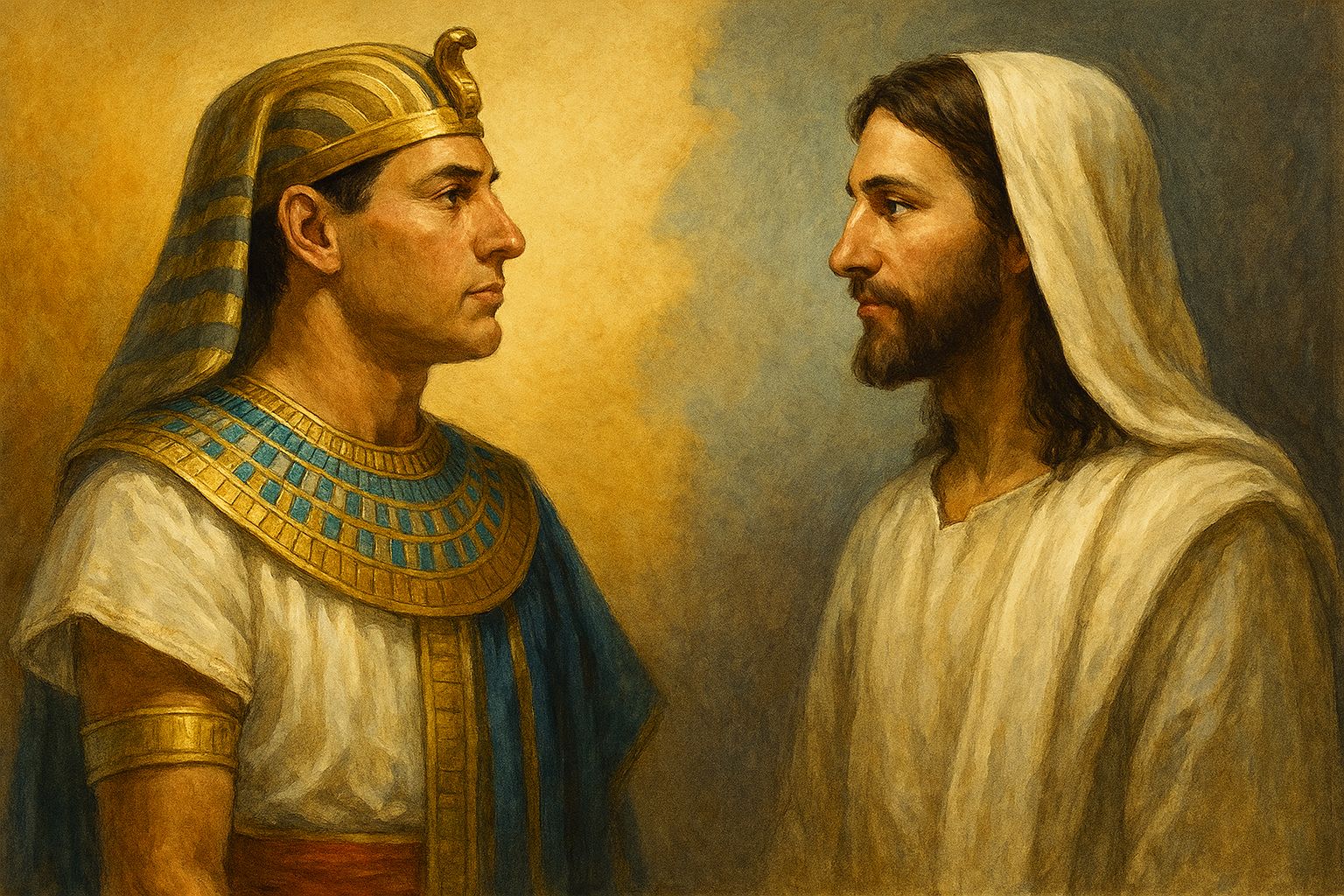
For Messianic believers, the Noahide Laws hold no bearing. We answer only to our Rabbi and Master, Yahoshua Messiah, and not to Rabbinic authority. The concept of one law for both Hebrews and Gentiles is emphasized in Torah, and we must be cautious of any teachings that suggest otherwise.

Conclusion

The Noahide Laws were developed to maintain Jewish distinctiveness and to guide interactions with non-Jews. However, they are not biblically mandated and hold no significance for Messianic believers. Our focus should remain on following the teachings of Yahoshua Messiah and the Torah.


Asarah B’Tevet 10

Jews around the world honor Tevet 10 as a day of fasting, mourning, and repentance, specifically commemorating the siege of Jerusalem and the subsequent destruction of Solomon's Temple. It is an abbreviated, complete fast day (i.e. the observant Jew refrains from...

read more

Israel’s Inextricable Link with our Salvation Part 1

This is "Israel's Inextricable Link to our Salvation Part 1." Back on 10/13/2023, I posted a teaching and discussion entitled Ministry Update and My Thoughts and Reflections on Hamas' Invasion of Israel. In the Hamas' Invasion of Israel portion of the post I expressed...

read more

Trusting in the Divine Plan-The Significance of Avraham’s Covenant with Yehovah — Thoughts and Reflections on Torah Reading 10

Greetings, saints of the Most High!

Welcome to another installment of the Messianic Torah Observer. I’m Rod Thomas, coming to you on a very dreary Preparation Day in the DFW. Thank you for taking the time out of your busy schedules to fellowship with me. As always, it is my hope, trust, and prayer that this installment finds you, your families, and your fellowships well and blessed.

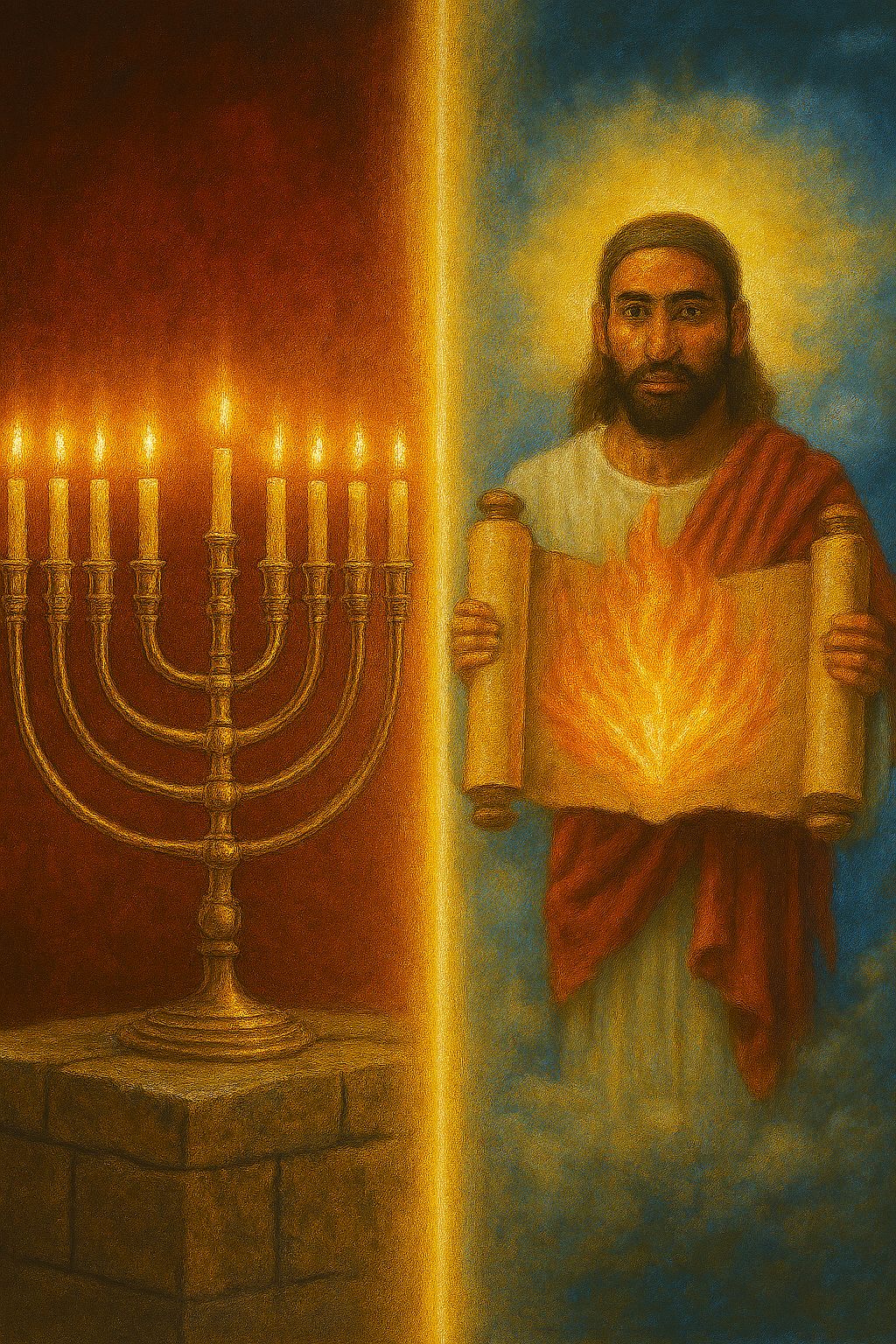
As I am publishing this discussion, it is the 25th day of the 9th month of Yah’s sacred calendar year, which translates to December 27, 2024. For those who celebrate or observe Hanukkah, may you have a meaningful and blessed time of rededication and reflection, especially with your families.

This week’s Torah Reading is contained in Genesis/Beresheit 12.1-13.18. Our Haftarah Reading is in Joshua/Yahoshua 24.3-18, and our Apostolic in Hebrews/Ivrit 11.12. Since these collectively are such beefy passages, we will not read them verbatim for the sake of time. As always, I encourage you to read, more so, study these passages, especially as part of Sabbath devotions.

Key Concepts of the Torah Reading — Genesis/Beresheit 12.1-13.18

Ur of the Chaldees/Chasdim (11.28)

According to Jubilees, Haran, Lot’s father, died from being burnt to death in Ur. Terach (Avram’s father) took his family to live in Haran, where they dwelt for 14 years. It was there that Avram dedicated himself to Yehovah-worship and obedience to His ways.

Kenaan/Canaan (11.31)

At the behest of Yehovah, Avram moves himself and his immediate family to Canaan, the Promised Land. Yah sends Avram on a tour of Canaan with the promise of gifting him and his descendants the land. Yah instructs Avram to leave his country, family, and father’s house and go to the place Yah would show him.

Phases of the Avrahamic Covenant

  1. Yah will make Avram a great nation.
  2. Yah will bless him.
  3. Yah will make his name great.
  4. He would be a blessing.
  5. Yah will bless those who bless him and curse those who curse him.
  6. In Avram, all families of the earth will be blessed.
  7. Yah would give the land to Avram’s offspring.
  8. Avram’s descendants would number as the dust of the earth.

Avram’s Journey

Avram builds altars unto Yah in Shechem and between Bethel and Ai, calls upon the Name of Yehovah, and faces famine in Canaan, driving him to Egypt. Avram becomes wealthy during his stay in Egypt and returns to Bethel-Ai. Avram and Lot separate over land use, and Avram resettles in Hebron, building an altar unto Yah.

Haftarah of Yahoshua 24.3-18 — Taking Possession of the Land of Promise

In our Haftarah reading, Yahoshua regales the gathered tribes of Yasharal at Shechem with their history up to that time, documenting the partial fulfillment of the Avrahamic Covenant, particularly the aspect of the Covenant that deals with ownership of the Land by Avram’s descendants.

Apostolic of Hebrews/Ivrim 11.1-12 (Avram’s Legendary Faith)

Our Torah Reading rests upon the concept of emunah/faith, which is the basis of this week’s Apostolic Reading. The author’s treatment of Avraham’s emunah/faith is manifested in his obedience to Yah’s instructions to go out into a place that he would later receive as an inheritance. Without his faithful-obedience, Avraham’s story would be inconsequential.

Reflection and Application

Why did Yah call Avraham to remove himself from his familiar surroundings? Sometimes Yah moves us so that He may work with us: to bless us, test us, teach us, and plant us where we may properly fulfill our calling and purpose in Yeshua Messiah. Avram’s trusting-faith/emunah was not perfect, but Yah’s inexplicable love for His human creation persists despite its flaws.

Have we, as Yah’s beloved, realized our purpose in Yeshua through an obedient faith/emunah? Have we fully trusted Yehovah to do what He has instructed us to do? If not, we need to learn to trust Yah and show our trust by our obedience to His instructions.

Conclusion

Trusting-Faith/emunah leads to obedience, and obedience leads to blessings. Yah’s covenant with Avram was not contingent upon his trusting-obedient-faith/emunah. Yah’s grand plan of salvation, redemption, and restoration for humanity is revealed through the Avrahamic Covenant, which is a unilateral covenant dependent solely on Yah.

Thank you for joining me in this discussion. I pray you got something out of it and that your walk in Mashiyach has been enhanced. Until next time, may you be most blessed, fellow saints in training. Chag Hanukkah Semeach … Shabbat Shalom … Shavu’tov … Blessings. Take care.

Links to Previous Teaching Relevant to Today’s Discussion

Asarah B’Tevet 10

Jews around the world honor Tevet 10 as a day of fasting, mourning, and repentance, specifically commemorating the siege of Jerusalem and the subsequent destruction of Solomon's Temple. It is an abbreviated, complete fast day (i.e. the observant Jew refrains from...

read more

Noahide Laws-A Historical and Theological Exploration Part 1

Greetings, saints of the Most High! Welcome to another installment of the Messianic Torah Observer. Today, we delve into the fascinating topic of the Noahide Laws, exploring their origins, development, and implications for both Jews and Gentiles.

Introduction to Noahide Laws

The concept of Noahide Laws originates from Rabbinic Judaism and its literature, particularly the Talmud. These laws were developed by the Talmudists between the 4th and 6th centuries CE, although hints of these precepts existed even earlier.

The Misinformation

Modern Orthodox Judaism teaches that non-Jews who keep the seven Noahide Laws will be granted a place in the world to come. However, this principle is not found in scripture but was developed during the Mishnaic and Talmudic eras. The Mishnah and the Talmud, which house Jewish oral law and commentary, played a significant role in shaping these laws.

The Jerusalem Council’s Edict

The Jerusalem Council’s edict to Gentile believers was not based on the Noahide Laws but on established Jewish halachah for resident aliens living among Jews. Resident aliens were Gentiles who lived and worked among Jews and adhered to community standards without converting to Judaism.

God Fearers

The term “God Fearers” refers to Gentiles who feared Yehovah and walked according to Torah, not necessarily those who kept the Noahide Laws. The earliest reference to the Noahide Laws is found in Tosefta Avoda Zara 8.4, part of the Mishnah, which outlines seven requirements for the children of Noah.

Expansion and Rabbinic Debates

Over time, the Noahide Laws expanded to include additional prohibitions, reflecting the complexities of life and the need for more comprehensive guidelines. Rabbinic debates on the Noahide Laws continued for centuries, focusing on their application and the distinction between Jews and Gentiles.

The Book of Jubilees

The Book of Jubilees suggests that Noah and his descendants were given the whole of Torah, challenging the idea that the Noahide Laws were separate from Torah. This perspective argues that the laws passed down to Noah were, in fact, the whole of Torah, reserved for the children of the covenant.

Conclusion

The Noahide Laws have a complex and debated history within Rabbinic Judaism. They were developed to create a distinction between Jews and Gentiles and to provide guidelines for Gentiles living among Jewish communities. Understanding these laws helps us appreciate the historical and theological context in which they were developed.


Asarah B’Tevet 10

Jews around the world honor Tevet 10 as a day of fasting, mourning, and repentance, specifically commemorating the siege of Jerusalem and the subsequent destruction of Solomon's Temple. It is an abbreviated, complete fast day (i.e. the observant Jew refrains from...

read more

Israel’s Inextricable Link with our Salvation Part 1

This is "Israel's Inextricable Link to our Salvation Part 1." Back on 10/13/2023, I posted a teaching and discussion entitled Ministry Update and My Thoughts and Reflections on Hamas' Invasion of Israel. In the Hamas' Invasion of Israel portion of the post I expressed...

read more

From Noah to Nations: Unveiling the Prophetic Journey — Thoughts and Reflections on Torah Reading 8

In this Torah Reading Discussion, “From Noah to Nations-Unveiling the Prophetic Journey-Thoughts and Reflections on Torah Reading 8,” we delve into the profound insights of Torah Reading 8. This study explores Genesis 9.18-10.32, Isaiah 49.1-13, and Revelation 5.1-14, highlighting pivotal moments in human history and the prophetic implications of Noah’s sons.

Noah’s sons, Shem, Ham, and Japheth, played crucial roles in restarting the human population after the flood. Their actions set the course for nations and influenced the flow of history. The paper examines the significance of Noah’s vineyard, his subsequent intoxication, and the actions of his sons, particularly Ham’s transgression and its consequences. We also explore the prophetic blessings and curses pronounced by Noah, which have far-reaching implications for the descendants of Shem, Ham, and Japheth.

The haftarah reading from Isaiah 49.1-13 and the apostolic reading from Revelation 5.1-14 provide a broader context, revealing the Plan of Salvation, Redemption, and Restoration that Yehovah would work through Shem. This includes the prophetic vision of Yehovah’s presence dwelling with the descendants of Shem and the ultimate redemption and restoration of Israel.

Please check out the audio as we go into many historical, spiritual, and halachic areas that will enhance your walk in Messiah. Shabbat Shalom beloved by the Most High Elohim.

Reference Post: Marring the Image of the Creator Yehovah Through Rebelliousness: Thoughts and Reflections on Torah Reading 4.

Asarah B’Tevet 10

Jews around the world honor Tevet 10 as a day of fasting, mourning, and repentance, specifically commemorating the siege of Jerusalem and the subsequent destruction of Solomon's Temple. It is an abbreviated, complete fast day (i.e. the observant Jew refrains from...

read more

Israel’s Inextricable Link with our Salvation Part 1

This is "Israel's Inextricable Link to our Salvation Part 1." Back on 10/13/2023, I posted a teaching and discussion entitled Ministry Update and My Thoughts and Reflections on Hamas' Invasion of Israel. In the Hamas' Invasion of Israel portion of the post I expressed...

read more

From Flood to Faith: The Enduring Promise of the Noahic Covenant — Thoughts and Reflections on Torah Reading 7

by Rod Thomas | From Flood to Faith: The Enduring Promise of the Noahic Covenant-Thoughts and Reflections on Torah Reading 7

The Noahic Covenant: Humanity’s Path to Redemption

Greetings, saints of the Most High. Welcome to another installment of the Messianic Torah Observer. I’m Rod Thomas, coming to you on a beautiful Shabbat in the DFW area. I hope this message finds you and your loved ones well and blessed.

Today, we delve into the Noahic Covenant, the second rung on Yehovah’s ladder leading to our redemption. This covenant, established after the Great Flood, is foundational to our understanding of redemption and renewal.

Our Torah Reading for this week is contained in Genesis 8.15-9.17, with the haftarah reading to be found in Isaiah 42.7-21, and the apostolic in 2 Timothy 2.8-19. I’ve chosen to entitle this post: “From Flood to Faith—The Enduring Promise of the Noahic Covenant – My Thoughts and Reflections on Torah Reading 7.”

Key Concepts:

  1. Covenant (Brit): Yehovah’s plan to redeem humanity.
  2. Renewal: The command to repopulate the Earth and renew the original Edenic/Adamic Covenant.
  3. Burnt Offerings: Noah’s offerings on a rebuilt altar, leading Yehovah to resolve never to curse the ground or destroy all living creatures again.

Yehovah acknowledges humanity’s inherent evil but blesses Noah and his sons, reasserting human dominion over creation and lifting the prohibition against consuming animals for food. However, the consumption of blood and murder are strictly prohibited, with severe consequences for violators.

The Noahic Covenant is a unilateral covenant, with Yehovah doing the heavy lifting to restore the broken relationship between Him and humanity. This covenant lays the groundwork for humanity to develop a “yetzer tov” (good inclination) and fulfill its purpose as Yehovah’s image bearers on Earth.

Significance of the Covenant:

  • Unconditional Blessings: Despite humanity’s shortcomings, Yehovah honors His covenant promises, symbolized by the rainbow.
  • Foundation for Redemption: The Noahic Covenant is crucial for humanity’s full redemption, reaffirming our inherent value as Yehovah’s imagers and paving the way for future covenants.

In conclusion, the Noahic Covenant is a testament to Yehovah’s grace and commitment to humanity’s redemption. As we reflect on this covenant, let us strive to overcome our “yetzer ra” (evil inclination) and walk in righteousness, fulfilling our purpose as Yehovah’s image bearers.

Shabbat Shalom.


Faithfully submitted,


Rod Thomas, The Messianic Torah Observer


Asarah B’Tevet 10

Jews around the world honor Tevet 10 as a day of fasting, mourning, and repentance, specifically commemorating the siege of Jerusalem and the subsequent destruction of Solomon's Temple. It is an abbreviated, complete fast day (i.e. the observant Jew refrains from...

read more