|
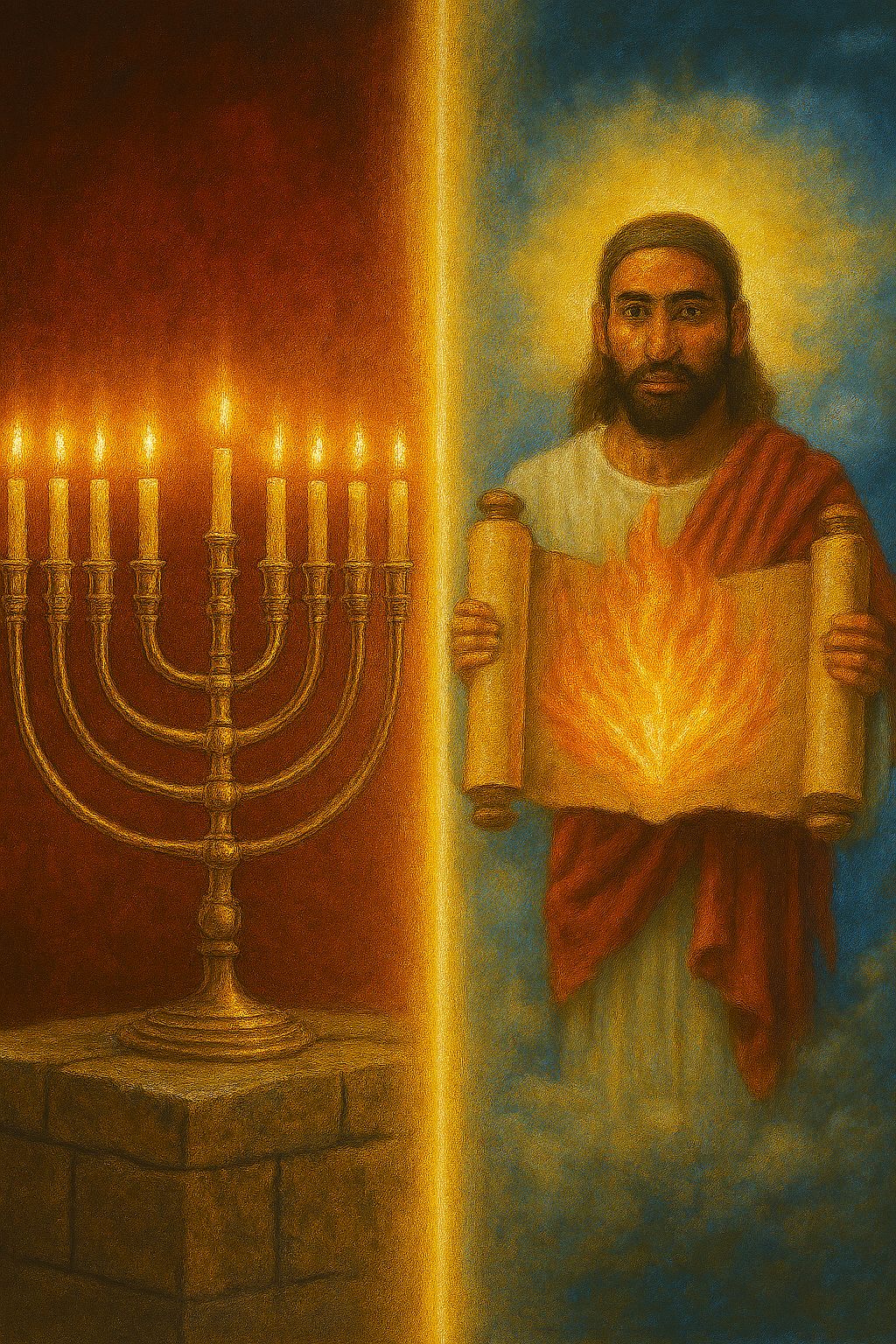
This episode of TMTO explores the origins, meaning, and relevance of Hanukkah from a Messianic Torah Observer perspective. Rod discusses the biblical and historical foundations of Hanukkah, its connection to the dedication of the altar, and whether modern Messianic believers should celebrate it.
Key Topics Covered:
Takeaway: Hanukkah is presented as a meaningful memorial of rededication, both historically and spiritually. Observance is a personal choice, guided by the Spirit, and should be approached with understanding, respect, and a focus on the deeper covenantal significance.
|
True Biblical Worship According to the Original Covenant-Part 1 of our True Biblical Worship Series
Show Notes: True Biblical Worship According to the Original Covenant - Part 1 Episode Title: True Biblical Worship According to the Original Covenant - Part 1 Host: Rod Thomas Date: April 19, 2025 Description: In this episode of the Messianic Torah Observer, Rod...
Waking-up From the Slumber-Feast of Tabernacles 2024-Kenya
Join Rod Thomas in this enlightening episode of the Messianic Torah Observer as he discusses the significance of the upcoming Spring Feasts, including Passover and the Feast of Unleavened Bread. Dive deep into the spiritual implications of these sacred times,...
Learning to Leave Well Enough Alone-Thoughts and Reflections on Torah Reading 24
Podcast Episode: Learning to Leave Well Enough Alone - Thoughts and Reflections on Torah Reading 24 In this episode of the Messianic Torah Observer, Rod Thomas delves into Torah Reading 24, titled "Learning to Leave Well Enough Alone." Rod reflects on...
The Two Afflictions That Get God’s Attention
Messianic Torah Observer Podcast Episode: The Two Afflictions That Get God's Attention Host: Rod Thomas Date: April 3, 2025 Episode Summary: In this episode, Rod Thomas shares his thoughts ahead of the spring feast and discusses the significance of Yom Kippur, the Day...
Shabbat HaChodesh-the Sabbath Before Biblical Rosh HaShannah 2025
Greetings and Introductions Greetings saints of the Most High. Welcome to another installment of the Messianic Torah Observer. Rod Thomas coming to you on a beautiful spring midweek day here in the DFW. I want to thank you for taking the time out of your busy...
Unlocking the Keys to the Kingdom Part 2: Binding and Loosing on Earth and in Heaven
Greetings and Introductions Greetings saints of the Most High. Welcome to another installment of the Messianic Torah Observer. Rod Thomas coming to you on a beautiful Spring midweek day here in the DFW. I want to thank you for taking the time out of your busy...
Unlocking the Keys to the Kingdom: Understanding Yeshua’s Teachings in Light of Torah
Greetings and Introductions Greetings saints of the Most High. Welcome to another installment of the Messianic Torah Observer. Rod Thomas coming to you on a beautiful Spring Preparation Day here in the DFW. I want to thank you for taking the time out of your busy...
Shabbat Zachor – Blotting out the Spirit of Esau in the Lives of God’s People
Greetings and Introductions As I am publishing this discussion, it is the 6th day of the 12th month on Yah's sacred calendar year, which translates to March 7, 2025. And we are potentially less than a month away from biblical Rosh HaShannah. As we near the end of this...
Understanding our Melchizedekian Priestly Pedigree-Part 4: Jasher’s Hidden Chronicles of the Melchizedekian Priesthood
Greetings, saints of the Most High! Welcome to another installment of the Messianic Torah Observer. Today, we delve into the intriguing topic of our Melchizedekian Priestly Pedigree, focusing on Jasher’s hidden chronicles. In Part 3, we explored the theological...
Understanding our Melchizedekian Priestly Pedigree-Part 3 : The Theological Implications of the Avram-Melchizedek Encounter
I. Greetings and Introductions Greetings saints of the Most High. Welcome to another installment of the Messianic Torah Observer. Rod Thomas coming to you on a cold, overcast Preparation Day in the DFW. Thank you for taking the time out of your...