
Overview
Key Topics Covered
1. Introduction and Context
-
Greetings and setting: Recorded on the 3rd Day of the 11th biblical month, 6025 (Friday, January 16, 2026).
-
Reflection on persecution, faith, and the hope found in Yeshua’s teachings (Matthew 5:10-12; Ephesians 6:18; Matthew 5:44; Luke 6:28).
2. Why Judaism Rejects Yeshua as Messiah
-
Historical grievances and theological differences.
-
The role of Rabbinic expectations and interpretations in shaping Jewish messianic beliefs (Hebrews 2:3; Romans 3:2; Romans 11:25-26; Zechariah 12:10).
3. The Three Messiahs in Jewish Thought
-
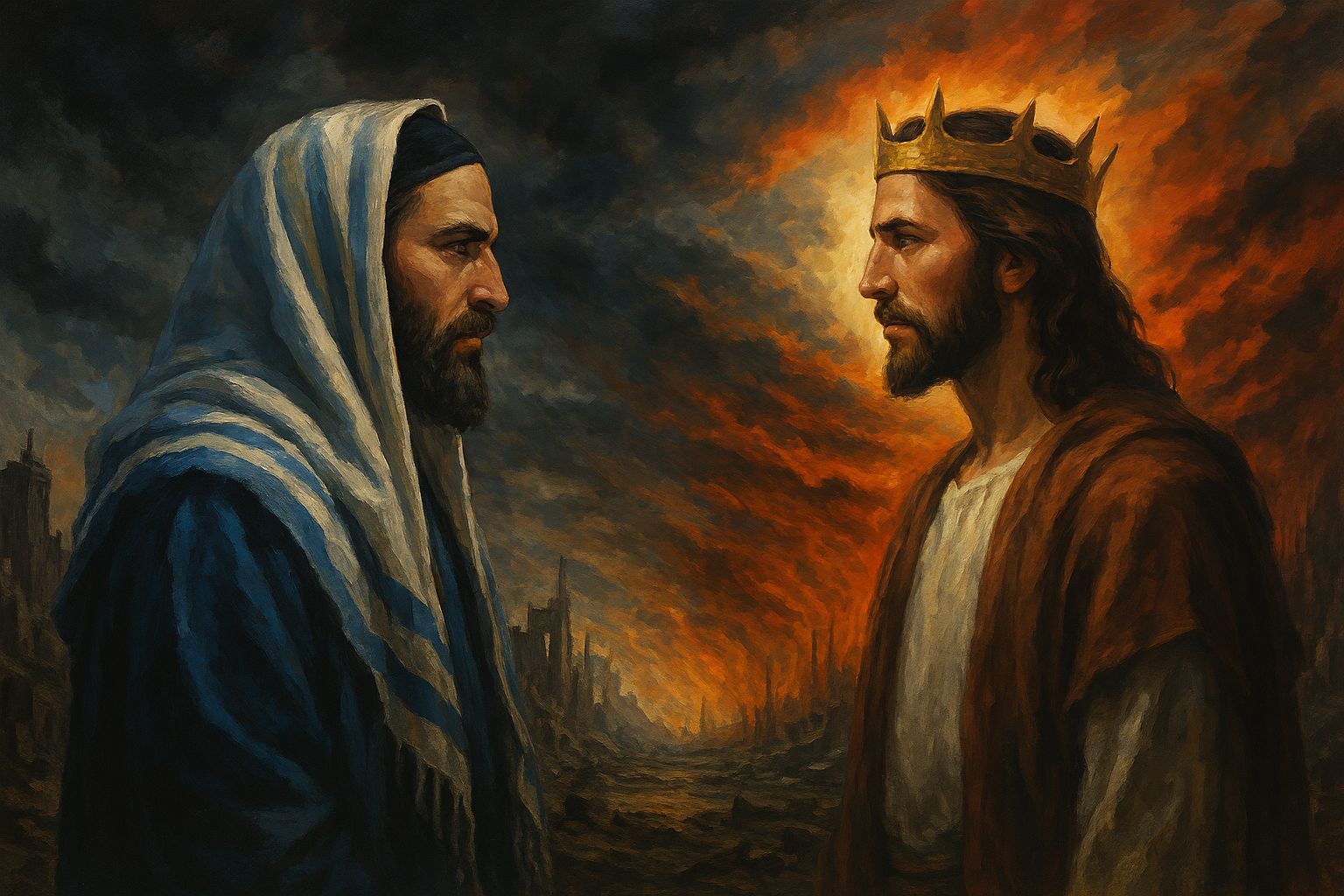
Mashiyach Nagid (Messiah the Prince)
-
Mashiyach ben Yosef (Messiah, son of Joseph)
-
Mashiyach ben David (Messiah, son of David)
-
The episode focuses on Mashiyach Nagid, with future installments to cover the other two.
4. What is Mashiyach Nagid?
-
Linguistic breakdown: “Mashiyach” means “Anointed One”; “Nagid” means “Prince” or “Leader.”
-
Scriptural foundation: Daniel 9:25-26 and its interpretations.
-
The prophecy’s implications for Jewish and Christian eschatology (1 Corinthians 13:12; Matthew 24:15-16).
5. The Meaning and Role of “Nagid”
-
“Nagid” as prince, ruler, leader, commander, or official.
-
Biblical examples: Saul, David, Solomon, Hezekiah, Abner, Azariah, and others (1 Samuel 9:16; 10:1; 13:14; 25:30; 2 Samuel 5:2; 6:21; 7:8; 1 Kings 1:35; 2 Kings 18:1; 2 Chronicles 31:13).
6. Mashiyach Nagid in Prophecy and Tradition
-
The “transitional” leader concept: Anointed but not yet king.
-
Comparison with “Melech” (King) and the Davidic Covenant (2 Samuel 7:8-16; Psalm 2:8-12; 2 Chronicles 13:5).
7. Messianic Traits and the Melchizedekian Order
-
Psalm 110 as a foundational text for the dual role of king and priest.
-
The Melchizedekian priesthood and its fulfillment in Yeshua (1 Peter 2:9; Daniel 2:44; Matthew 21:44; 1 Corinthians 15:24; Revelation 11:15).
8. Jewish Perspectives on Mashiyach Nagid
-
Views of Rashi, Ibn Ezra, and Rambam (Maimonides) on the identity and role of Mashiyach Nagid.
-
The Essenes and Qumran writings: Priestly and royal messiahs, “Prince of the Congregation” (Damascus Document, Rule of the Congregation, 11QMelchizedek).
-
Apocryphal and Talmudic references: Suffering and kingly messiahs (1 Enoch, Jubilees, Talmud).
9. Christian and Messianic Interpretations
-
Yeshua as the fulfillment of Daniel’s prophecy and the persona of Mashiyach Nagid.
-
The dual or double-fulfillment view of prophecy.
-
Jewish objections to identifying Yeshua as all three messianic figures.
10. Application and Call to Discipleship
-
The call for believers to imitate Yeshua’s character traits: suffering, triumph, priesthood, kingship, exaltation, royal lineage, and spiritual warfare (Isaiah 53; Colossians 2:15; Psalm 110; Matthew 1:1; Zechariah 14:3; 1 Peter 2:9; Revelation 20:6; 2 Corinthians 10:4-6; Ephesians 6:12-14).
-
Invitation to covenant relationship and Torah-honoring lifestyle (2 Corinthians 6:2; Isaiah 55:6-9).
References & Further Reading
Contact & Community
-
For questions or further discussion, email: perceptionwp@gmail.com
-
Leave a voice message via SpeakPipe on https://www.themessianictorahobserver.org/
Closing Blessing
Drafted Into a Cosmic War: Defining Spiritual Warfare in a Time of Global Darkness: Part 1 of our Spiritual Warfare Series
Episode Overview We are living in a time of global upheaval, moral inversion, and spiritual confusion. Scripture warned us that such days would come—but it also prepared us for them. In Part 1 of our Spiritual Warfare Series, we lay the foundation by answering a...
The Suffering Warrior: Unveiling Judah’s Mashiyach ben Joseph and the Messianic Mystery – Part 10 of our Melchizedek Series
The Suffering Warrior: Unveiling Judah’s Mashiyach ben Yosef and the Messianic Mystery Overview In this post, Rod explores Judah’s conception of Mashiyach ben Yosef (Messiah son of Joseph), tracing its development through biblical, Rabbinic, and apocalyptic...
Beyond Protests: How Prayer and Fasting Topple Evil Regimes – Venezuela-Minnesota-Iran-The Extreme Radical Left Weighing Heavy on my Mind
Episode Overview In this episode of the Messianic Torah Observer, Rod Thomas explores the spiritual dynamics behind the persistence and collapse of evil regimes. Drawing from current events, biblical prophecy, and personal reflection, the discussion centers on how...
Have We Finished the Great Commission — and Triggered the End Times?
Welcome, beloved saints of the Most High! I’m Rod Thomas, and I’m honored to bring you another installment of the Messianic Torah Observer. On this unusually warm Preparation Day here in DFW, I invite you to join me as we tackle a provocative question: Have we truly...
Runway to the Royal Priesthood-How Hebrews Builds the Case for Yeshua as our Melchizedekian High Priest: Part 8 of our Melchizedek Series
Title: Runway to the Royal Priesthood—How Hebrews Builds the Case for Yeshua as Our Melchizedekian High Priest Episode Description: Are you ready to discover the deeper meaning behind Yeshua’s role as our Melchizedekian High Priest? In this powerful episode, Rod...
Israel’s Inextricable Link to our Salvation Part 7-My Thoughts & Reflections on Torah Reading Vayigash-And He (Judah) Approached
Show Notes Title: Israel’s Inextricable Link to Our Salvation—Reflections on Torah Reading Vayigash Host: Rod Thomas, Messianic Torah Observer Date: Preparation Day, Friday, December 26, 2025 Episode Overview In this installment of TMTO, Rod explores the prophetic...
Torah Reading Miketz: Kingdom Character: Emulating Humility, Faith, and Wisdom from Torah to Messiah
This episode of the Messianic Torah Observer, hosted by Rod Thomas, explores the Torah portion Miketz (Genesis 41:1–44:17), focusing on the life of Joseph (Yosef) and drawing prophetic parallels to Yeshua (Jesus). The teaching highlights how both figures exemplify...
Hanukkah Unveiled: The True Meaning, History, and Relevance for Messianic Believers
This episode of TMTO explores the origins, meaning, and relevance of Hanukkah from a Messianic Torah Observer perspective. Rod discusses the biblical and historical foundations of Hanukkah, its connection to the dedication of the altar, and whether modern Messianic...
Thoughts and Reflections on Torah Reading Vayeshev-And He Settled: Lessons from the Life of Joseph Ben Israel
This is Thoughts and Reflections on Torah Reading Vayeshev or And He Settled: Lessons From the Life of Joseph Ben Israel. Our parshah is contained in Genesis 37:1-36, focusing on the life and story of Yosef (Joseph), son of Ya’achov (Jacob), and its prophetic and...
TMTO Final Update for 2025
In this episode, we explore the recent Kenya Missions Trip with the Qumran Family Foundation (QFF), whose mission is to deliver critical resources and opportunities to Kenyan widows and orphans living in poverty. The episode highlights: Why Kenya? Unlike in the U.S.,...