The Suffering Warrior: Unveiling Judah’s Mashiyach ben Yosef and the Messianic Mystery
Overview
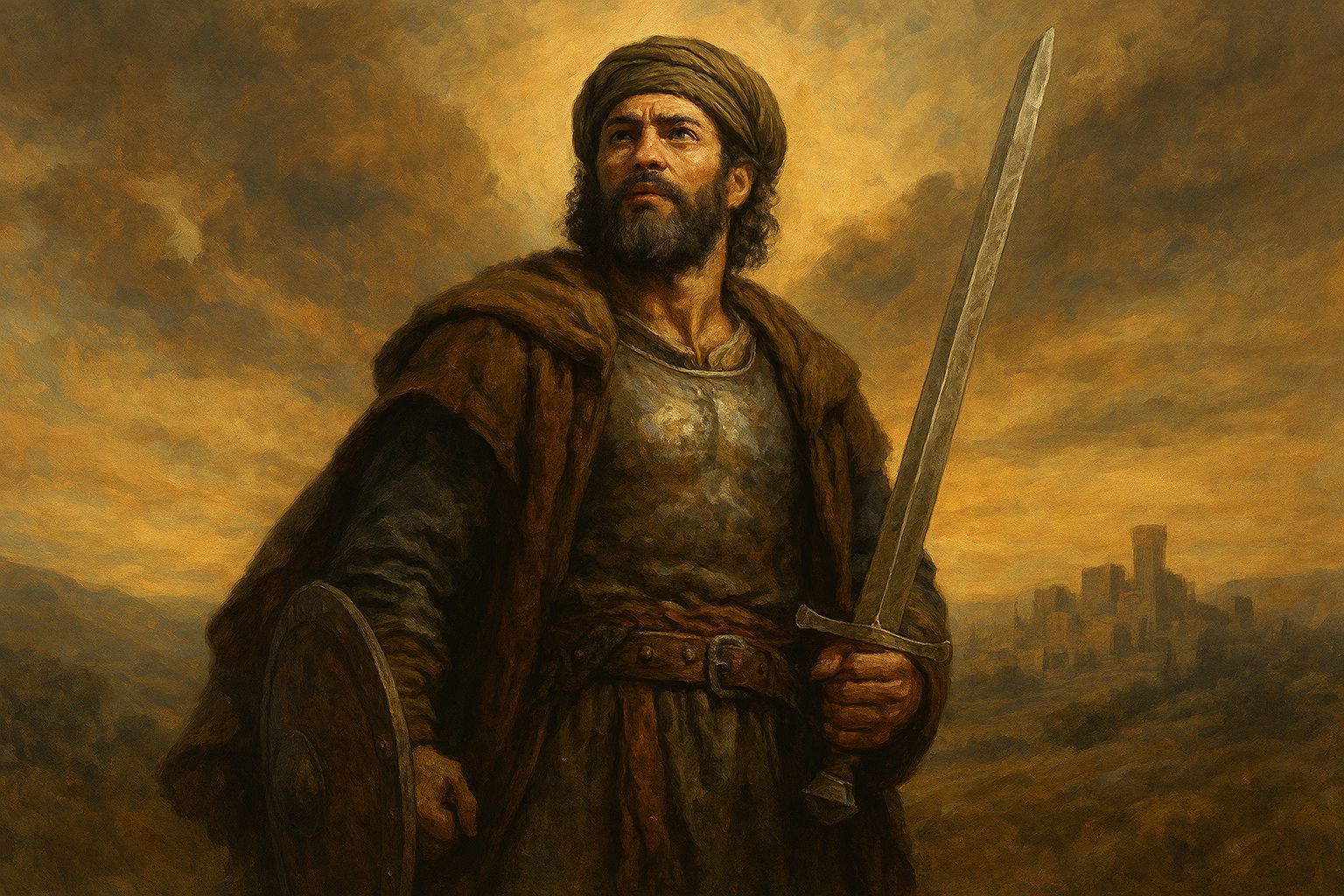
In this post, Rod explores Judah’s conception of Mashiyach ben Yosef (Messiah son of Joseph), tracing its development through biblical, Rabbinic, and apocalyptic literature, and connecting it to Messianic faith in Yeshua. The study highlights the “suffering warrior” motif, the precursor role to Mashiyach ben David, and the eschatological implications for Israel and the world.
Key Themes & Scriptural Foundations
- Mashiyach ben Yosef as Precursor:
Mashiyach ben Yosef is depicted as a leader who precedes Mashiyach ben David, preparing Israel through military, political, and spiritual means (repentance and Torah observance). This role is likened to John the Immerser as a type of precursor. - Two-Stage Eschatology:
Rabbinic tradition envisions two Messiahs—ben Yosef (the suffering, martyred leader) and ben David (the glorious, reigning king). The first stage is marked by suffering and conflict, the second by peace and restoration. - Scriptural Roots:
- Genesis 49:22–26: Joseph’s blessing as a “fruitful bough” and a suffering deliverer, foreshadowing the Messiah’s role.
- Isaiah 11:13: Prophecy of Ephraim and Judah’s reconciliation, interpreted as the work of two Messiahs.
- Zechariah 12:10: The pierced one, mourned by Israel, linked to Mashiyach ben Yosefciteturn4search1L20, L29-30.
- Obadiah 1:18, 21: Two “saviors” leading Israel, interpreted as ben Yosef and ben David.
Rabbinic and Apocalyptic References
- Talmudic Sources:
- Sukkah 52a–b: Explicit references to Mashiyach ben Yosef, his death in the war of Gog and Magog, and the mourning that follows. Also mentions four eschatological figures: Mashiyach ben David, Mashiyach ben Yosef, Elijah, and the righteous High Priest (https://www.sefaria.org/Sukkah.52b.16?lang=bi&with=all&lang2=en)citeturn4search1L25, L29-31.
- Genesis Rabbah 75:6, 99:2: Describes the “War Messiah” from Joseph’s lineage, involved in Temple restoration.
- Pesikta de-Rav Kahana 5:9 and Pesikta Rabbati 15.14/16: Discuss the “Anointed One for War” and the four messianic figures.
- Songs of Rabbah: Mentions Elijah, King Messiah, Melchizedek, and the Anointed for War (https://books.google.com/books?id=3YH99skQxGIC&q=Song+of+Songs+Rabbah+messiah+Elijah+war&pg=PA138).
- Sefer Zerubbabel: 7th-century apocalyptic text introducing Nehemiah ben Hushiel (Mashiyach ben Yosef) and Menahem ben Ammiel (Mashiyach ben David), outlining the sequence of redemption, warfare, death, resurrection, and the Messianic Age (https://pages.charlotte.edu/john-reeves/research-projects/trajectories-in-near-eastern-apocalyptic/sefer-zerubbabel).
- Dead Sea Scrolls:
- 4Q175 (“The Testimonia”) and 4Q372 (“The Joseph Apocryphon”): Present a suffering, priestly, and warrior leader matching the ben Yosef persona.
- 1QS (Community Rule): Describes two Messiahs—of Aaron (priestly) and of Israel (kingly/warrior), with the latter subordinate to the former.
- Liturgical and Kabbalistic References:
- Amidah (Shemoneh Esrei): Kabbalists see the prayer for David’s throne as a plea for Mashiyach ben Yosef’s protection (https://www.chabad.org/library/article_cdo/aid/867674/jewish/Translation.htm).
- Kol HaTor: “Yosef is still alive” prayer for Mashiyach ben Yosef’s mercy (https://vilnagaon.org/wp-content/uploads/2018/06/KOL_HATOR.pdf).
Messianic Fulfillment and Insights
- Typology and Yeshua:
Rod argues that Yeshua fulfills the typology of Mashiyach ben Yosef—suffering, atoning, gathering the lost sheep, and preparing the way for the Messianic Age. Scriptural parallels include Isaiah 53, Luke 4, Mark 13, Revelation 19, Zechariah 14, Ezekiel 34, and others. - Conditional Redemption:
Some Rabbinic sources suggest that the suffering and death of Mashiyach ben Yosef are conditional upon Israel’s spiritual state. - Practical Insights for Believers:
- Suffering: True discipleship involves suffering and persecution, echoing the path of Mashiyach ben Yosef and Yeshua (Matthew 24:9, John 15:20).
- Atonement: The suffering of Mashiyach ben Yosef is linked to atonement for Israel’s sins, paralleling Yeshua’s redemptive work (Ephesians 2:8, Matthew 5:3, 5).
- Redemption: The manuscript emphasizes the final redemption of Israel, rooted in biblical prophecy (Romans 11, Ezekiel 36–37, Zechariah 12–14, Isaiah 11, Jeremiah 31).
- Warfare: Both spiritual and physical warfare are central, with believers called to “put on the whole armor of God” (Ephesians 6).
Call to Action
- Intercession for Judah:
The manuscript urges Messianic believers to pray for and love the Jewish people, recognizing the “partial blindness” until the fullness of the Gentiles comes in (Romans 11:25). - Invitation to Discipleship:
The closing invites readers to enter into covenant relationship with Yehovah through Yeshua Messiah (2 Corinthians 6:2).
References & Further Reading
- https://www.chabad.org/library/article_cdo/aid/101747/jewish/Mashiach-ben-Yossef.htm
- https://www.sefaria.org/Sukkah.52b.16?lang=bi&with=all&lang2=en
- https://books.google.com/books?id=3YH99skQxGIC&q=Song+of+Songs+Rabbah+messiah+Elijah+war&pg=PA138
- https://pages.charlotte.edu/john-reeves/research-projects/trajectories-in-near-eastern-apocalyptic/sefer-zerubbabel
- https://www.chabad.org/library/article_cdo/aid/867674/jewish/Translation.htm
- https://vilnagaon.org/wp-content/uploads/2018/06/KOL_HATOR.pdf
- https://www.sefaria.org/Sukkah.52a.1-52b.17?lang=bi
- https://en.wikipedia.org/wiki/Messiah_ben_Joseph
- https://www.themessianictorahobserver.org/2026/01/16/beyond-protests-how-prayer-and-fasting-topple-evil-regimes-venezuela-minnesota-iran-the-extreme-radical-left-weighing-heavy-on-my-mind/
Should Messianic Torah Observers Keep Thanksgiving? The Re-Broadcast
Should Messianic Torah Observers Keep Thanksgiving? In this installment, we reflect upon Torah-Keeping Believers in Yeshua celebrating Thanksgiving: Is it a terrible reminder of genocide that New World Settlers brought upon Native American Indigenous Peoples, or a day...
Lashon Hara-The Sin You Never Knew You Were Committing-Torah Reading Numbers 12:1-15
Verse-by-Verse Discussion Miriam and Aharon Engage in Subversive Conversation Verse 1—Two of Moshe's family members, Miriam and Aharon, engaged in some subversive conversation against Moshe. Moshe apparently married an Ethiopian woman which seemed to outrage the...
Finding Contentment in our Faith–Torah Reading-Numbers 11:1-35
Finding Contentment in our Faith--Torah Reading--Numbers 11:1-35 Verse 1--The peoples' complaining or murmuring (complaining about their hardships openly in Taberah or The Place of Burning) displeased Yah which led to His wrath coming down upon the people...
What Did Paul Mean by Being Under the Law–Part 1
Goal of this Post “For Yah shows no partiality (that is, Yah shows no favoritism). For all who have sinned without the law will also perish without the law, and all who have sinned under the law will be judged by the law. For it is not the hearers of the law who are...
Paul and the LGBTQ Community–A Messianic Perspective
The Indictment Against Homosexuality In our ongoing quest to untangle and clarify some of the more difficult and challenging Pauline writings, (of late making our way through the Book of Romans), I want to next tackle Romans 1:26-27. Now, most of us should be...
Feast of Tabernacles and the Kingdom of God in You
The Feast of Tabernacles and the Kingdom of God (of Yah) in You My goal in delivering this discussion to you here today is to communicate to you another way of looking at and understanding the Kingdom of Yah. Another perspective. Another angle. Another Truth....
Yom Kippur (Day of Atonement)–A Messianic Torah Observer Perspective
Introducing Yom HaKippurim (aka, Yom Kippur or the Day of Atonement) Instead of trying to figure out what the Day of Atonement/Yom Kippur/Yom HaKippurim is about through hearsay, public discourse or opinion, what do you say we delve into the riches of Torah to get...
Yom Teruah’s Greatest Truths and Mysteries (Revealed)
Yom Teruah's Greatest Truths and Mysteries (Revealed) Today I want to expand our understanding of Yom Teruah (aka The Day of the Blowing of Trumpets or simply the Day of Trumpets) from the day being just another one of the 7-annual Feasts of YHVH; just that...
Polygamy and the Bible–A Messianic Perspective
My Interest Piqued In my studies of this past week’s Torah Reading, I was drawn to Deuteronomy 21:15-17. Many modern English bibles generally entitle this passage something akin to “The Right of the Firstborn.” That being said, this short passage really is about the...
Picking Up and Moving Forward With TMTO
Update on TMTO (Special post without any fanfare and promotion)--Where we are today and where we'll be going. Discontinuing Live-Stream and Why. The failure of the Livestream. Non-committal group of individuals. Newsletter failures. Loss of focus on the original...