In this Torah Reading Discussion, "From Noah to Nations-Unveiling the Prophetic Journey-Thoughts and Reflections on Torah Reading 8," we delve into the profound insights of Torah Reading 8. This study explores Genesis 9.18-10.32, Isaiah 49.1-13, and Revelation 5.1-14,...
The Suffering Warrior: Unveiling Judah’s Mashiyach ben Joseph and the Messianic Mystery – Part 10 of our Melchizedek Series
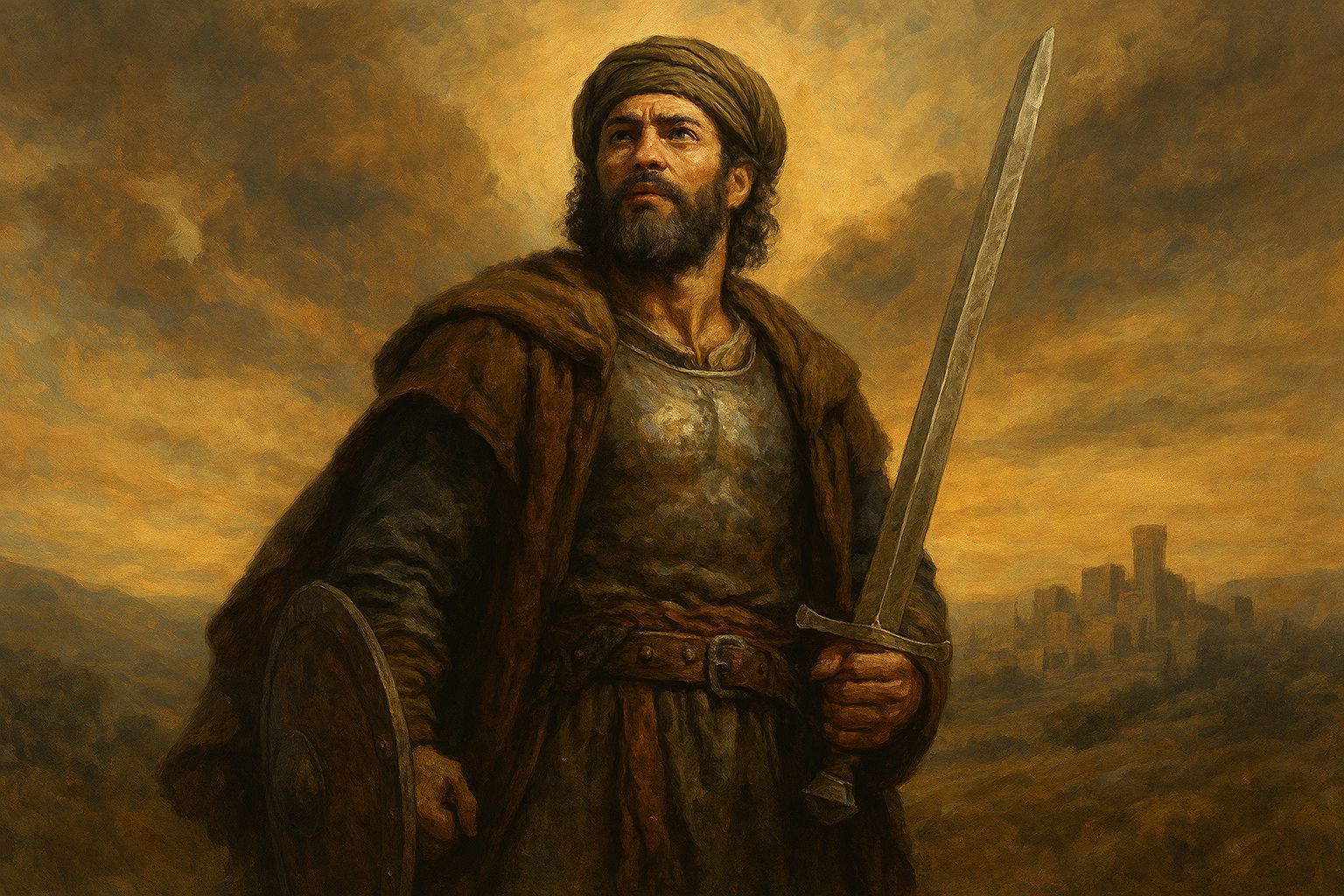
The Suffering Warrior: Unveiling Judah’s Mashiyach ben Yosef and the Messianic Mystery
Overview
In this post, Rod explores Judah’s conception of Mashiyach ben Yosef (Messiah son of Joseph), tracing its development through biblical, Rabbinic, and apocalyptic literature, and connecting it to Messianic faith in Yeshua. The study highlights the “suffering warrior” motif, the precursor role to Mashiyach ben David, and the eschatological implications for Israel and the world.
Key Themes & Scriptural Foundations
- Mashiyach ben Yosef as Precursor:
Mashiyach ben Yosef is depicted as a leader who precedes Mashiyach ben David, preparing Israel through military, political, and spiritual means (repentance and Torah observance). This role is likened to John the Immerser as a type of precursor. - Two-Stage Eschatology:
Rabbinic tradition envisions two Messiahs—ben Yosef (the suffering, martyred leader) and ben David (the glorious, reigning king). The first stage is marked by suffering and conflict, the second by peace and restoration. - Scriptural Roots:
- Genesis 49:22–26: Joseph’s blessing as a “fruitful bough” and a suffering deliverer, foreshadowing the Messiah’s role.
- Isaiah 11:13: Prophecy of Ephraim and Judah’s reconciliation, interpreted as the work of two Messiahs.
- Zechariah 12:10: The pierced one, mourned by Israel, linked to Mashiyach ben Yosefciteturn4search1L20, L29-30.
- Obadiah 1:18, 21: Two “saviors” leading Israel, interpreted as ben Yosef and ben David.
Rabbinic and Apocalyptic References
- Talmudic Sources:
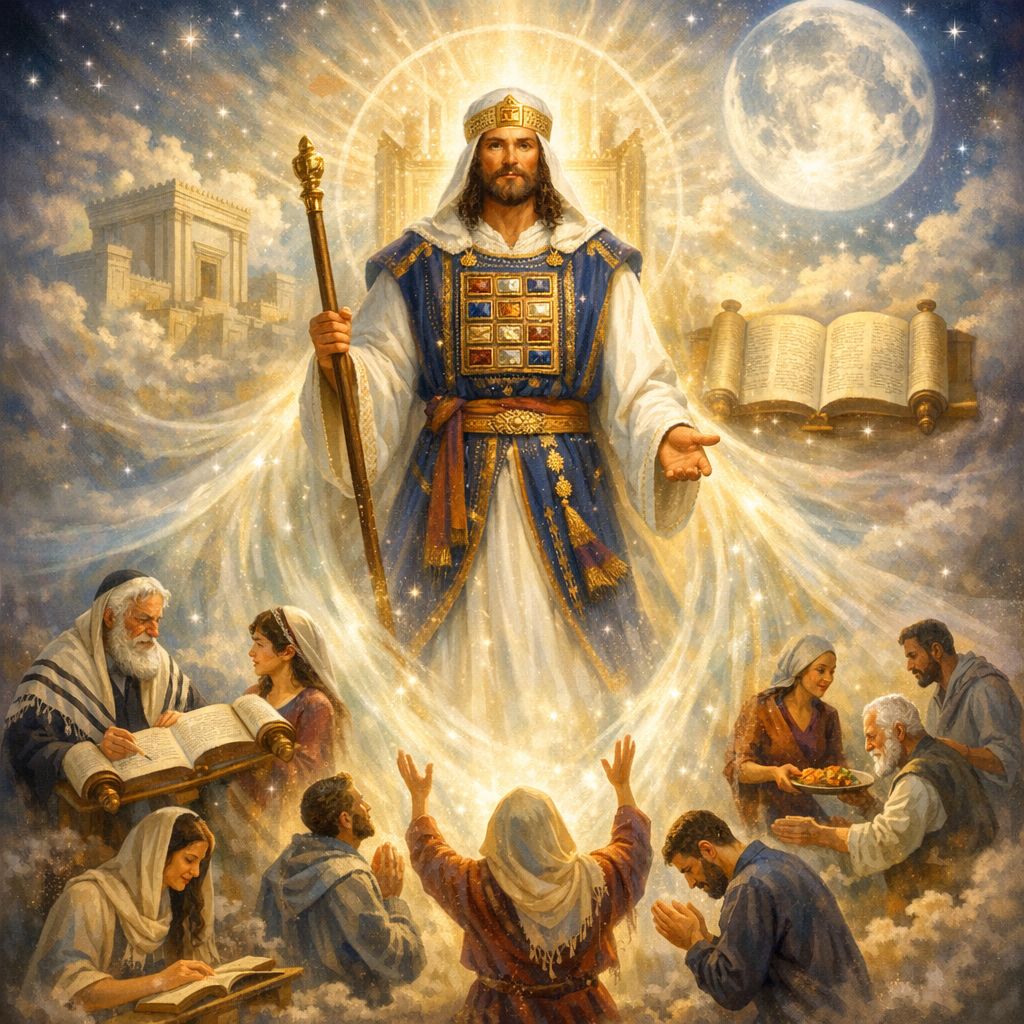
- Sukkah 52a–b: Explicit references to Mashiyach ben Yosef, his death in the war of Gog and Magog, and the mourning that follows. Also mentions four eschatological figures: Mashiyach ben David, Mashiyach ben Yosef, Elijah, and the righteous High Priest (https://www.sefaria.org/Sukkah.52b.16?lang=bi&with=all&lang2=en)citeturn4search1L25, L29-31.
- Genesis Rabbah 75:6, 99:2: Describes the “War Messiah” from Joseph’s lineage, involved in Temple restoration.
- Pesikta de-Rav Kahana 5:9 and Pesikta Rabbati 15.14/16: Discuss the “Anointed One for War” and the four messianic figures.
- Songs of Rabbah: Mentions Elijah, King Messiah, Melchizedek, and the Anointed for War (https://books.google.com/books?id=3YH99skQxGIC&q=Song+of+Songs+Rabbah+messiah+Elijah+war&pg=PA138).
- Sefer Zerubbabel: 7th-century apocalyptic text introducing Nehemiah ben Hushiel (Mashiyach ben Yosef) and Menahem ben Ammiel (Mashiyach ben David), outlining the sequence of redemption, warfare, death, resurrection, and the Messianic Age (https://pages.charlotte.edu/john-reeves/research-projects/trajectories-in-near-eastern-apocalyptic/sefer-zerubbabel).
- Dead Sea Scrolls:
- 4Q175 (“The Testimonia”) and 4Q372 (“The Joseph Apocryphon”): Present a suffering, priestly, and warrior leader matching the ben Yosef persona.
- 1QS (Community Rule): Describes two Messiahs—of Aaron (priestly) and of Israel (kingly/warrior), with the latter subordinate to the former.
- Liturgical and Kabbalistic References:
- Amidah (Shemoneh Esrei): Kabbalists see the prayer for David’s throne as a plea for Mashiyach ben Yosef’s protection (https://www.chabad.org/library/article_cdo/aid/867674/jewish/Translation.htm).
- Kol HaTor: “Yosef is still alive” prayer for Mashiyach ben Yosef’s mercy (https://vilnagaon.org/wp-content/uploads/2018/06/KOL_HATOR.pdf).
Messianic Fulfillment and Insights
- Typology and Yeshua:
Rod argues that Yeshua fulfills the typology of Mashiyach ben Yosef—suffering, atoning, gathering the lost sheep, and preparing the way for the Messianic Age. Scriptural parallels include Isaiah 53, Luke 4, Mark 13, Revelation 19, Zechariah 14, Ezekiel 34, and others. - Conditional Redemption:
Some Rabbinic sources suggest that the suffering and death of Mashiyach ben Yosef are conditional upon Israel’s spiritual state. - Practical Insights for Believers:
- Suffering: True discipleship involves suffering and persecution, echoing the path of Mashiyach ben Yosef and Yeshua (Matthew 24:9, John 15:20).
- Atonement: The suffering of Mashiyach ben Yosef is linked to atonement for Israel’s sins, paralleling Yeshua’s redemptive work (Ephesians 2:8, Matthew 5:3, 5).
- Redemption: The manuscript emphasizes the final redemption of Israel, rooted in biblical prophecy (Romans 11, Ezekiel 36–37, Zechariah 12–14, Isaiah 11, Jeremiah 31).
- Warfare: Both spiritual and physical warfare are central, with believers called to “put on the whole armor of God” (Ephesians 6).
Call to Action
- Intercession for Judah:
The manuscript urges Messianic believers to pray for and love the Jewish people, recognizing the “partial blindness” until the fullness of the Gentiles comes in (Romans 11:25). - Invitation to Discipleship:
The closing invites readers to enter into covenant relationship with Yehovah through Yeshua Messiah (2 Corinthians 6:2).
References & Further Reading
- https://www.chabad.org/library/article_cdo/aid/101747/jewish/Mashiach-ben-Yossef.htm
- https://www.sefaria.org/Sukkah.52b.16?lang=bi&with=all&lang2=en
- https://books.google.com/books?id=3YH99skQxGIC&q=Song+of+Songs+Rabbah+messiah+Elijah+war&pg=PA138
- https://pages.charlotte.edu/john-reeves/research-projects/trajectories-in-near-eastern-apocalyptic/sefer-zerubbabel
- https://www.chabad.org/library/article_cdo/aid/867674/jewish/Translation.htm
- https://vilnagaon.org/wp-content/uploads/2018/06/KOL_HATOR.pdf
- https://www.sefaria.org/Sukkah.52a.1-52b.17?lang=bi
- https://en.wikipedia.org/wiki/Messiah_ben_Joseph
- https://www.themessianictorahobserver.org/2026/01/16/beyond-protests-how-prayer-and-fasting-topple-evil-regimes-venezuela-minnesota-iran-the-extreme-radical-left-weighing-heavy-on-my-mind/
From Noah to Nations: Unveiling the Prophetic Journey — Thoughts and Reflections on Torah Reading 8
read more
From Flood to Faith: The Enduring Promise of the Noahic Covenant — Thoughts and Reflections on Torah Reading 7
The Noahic Covenant: Humanity's Path to Redemption Greetings, saints of the Most High. Welcome to another installment of the Messianic Torah Observer. I'm Rod Thomas, coming to you on a beautiful Shabbat in the DFW area. I hope this message finds you and your loved...
Why Aren’t We Keeping the Feast of Rosh Chodesh-Thoughts and Reflections on the Torah Reading for the 9th Rosh Chodesh
Greetings, Saints of the Most High! Welcome to another installment of the Messianic Torah Observer. I'm Rod Thomas, coming to you on a crisp fall afternoon in DFW. Thank you for taking the time to fellowship with me. I hope this post finds you and your loved ones well...
And God Remembered Noah — Thoughts & Reflections on Torah Reading 6 — Reboot
And God Remembered Noah This week's Torah reading, "And God Remembered Noah," is from Genesis 8:1-14, the 6th Parashah in our 3-Year Torah Reading Cycle. The Power of the Ruach In Genesis 8:1, Elohim remembered Noah and sent a wind (ruach) over...
Pleasing God-Yah in Perilous Times-Lessons From the Life of Noah-Thoughts & Reflections on Torah Reading 5 (Reboot)
Torah Reading this week is found in Genesis 6:9-7:24. It is a very familiar passage of Torah that bears a good many themes, concepts and spiritual applications. But for us today, I want us to focus on just one central theme, if you will. And that theme has to do...
Marring the Image of the Creator Yehovah Through Rebelliousness-Thoughts and Reflections on Torah Reading 4
Greeting and Introduction Greetings saints of the Most High and welcome back to another installment of the Messianic Torah Observer. I'm Rod Thomas coming to you on a beautiful fall Shabbat in the DFW. Thank you for taking the time out of your busy schedules to...
Was Eve the First Messianic and the Heart of True Worship — Thoughts & Reflections on Torah Reading 3
Greetings Saints of the Most High. I pray that you, your families, and fellowships are well and blessed. It was my intention to do, at the very least, an audio version of this teaching and discussion. However, since our return from our Kenyan missionary...
My Thoughts and Reflections on Whether Messianics/Netsarim Should Take Part in the Upcoming Electoral Process
Greetings Greetings saints of the Most High. I'm Rod Thomas coming to you from the DFW on a rather stormy first day of the week. Thank you for taking the time out of your busy schedules to fellowship with me and as always beloved, it is my hope, trust, and prayer that...
TMTO Update and Thoughts and Reflections on Kenya Missionary-Sukkot Trip
As I am posting these thoughts and reflections, it is the very last Sabbath of the 7th Biblical Month, November 2, 2024. And assuming our contacts in Israel are successful in sighting the renewed moon the evening of this post, we will enter the 8th Month of Yah's...
When Torah Becomes a Witness Against Us — My Thoughts and Reflections on Torah Reading 148
These are my thoughts and reflections on Torah Reading 148. I’ve been led to entitle this discussion: When Torah Becomes a Witness Against Us.” Our reading this week is found in Deuteronomy/Devarim 31.14-30. Key Themes and Concepts Found in our Parashah this...