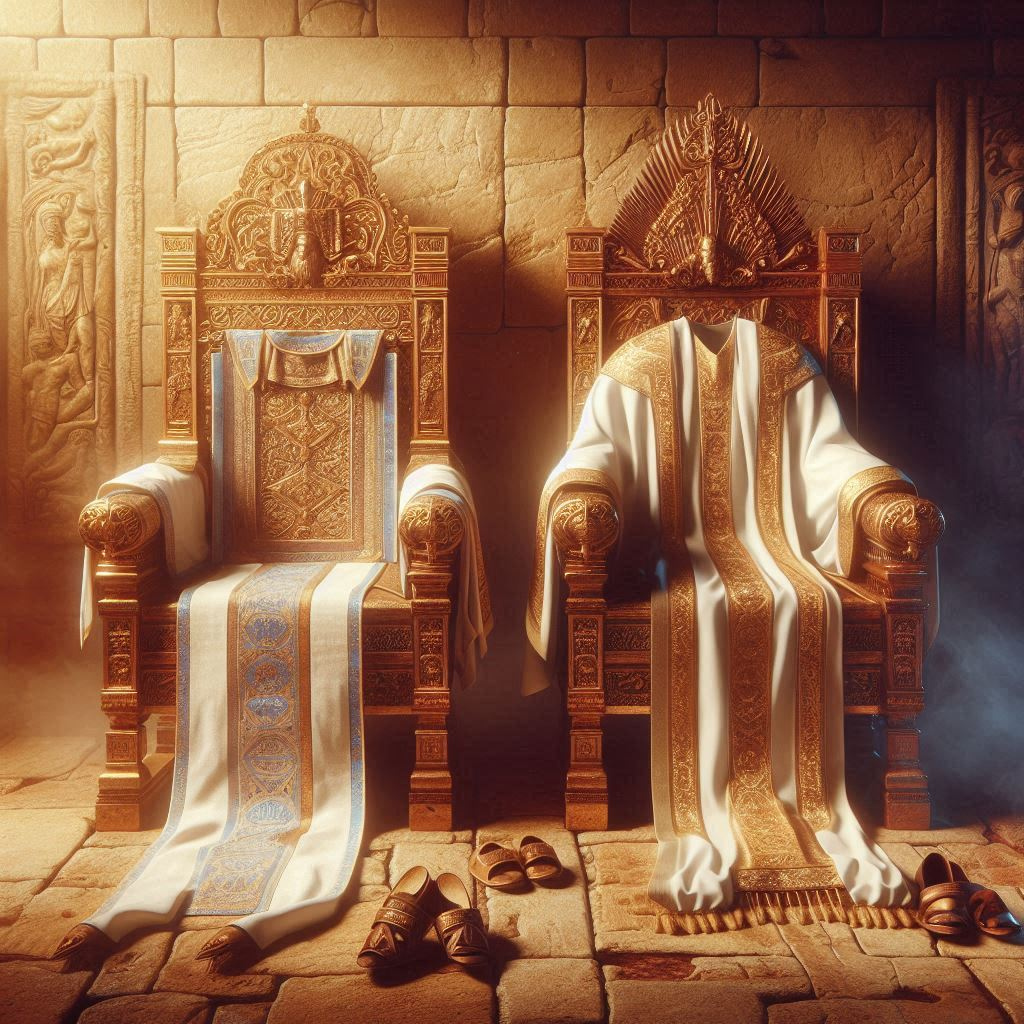
Show Notes: Did John Baptize Yeshua into the Melchizedekian Priestly Order-Part 5 of our Melchizedek SeriesEpisode Title: Did John Baptize Yeshua into the Melchizedekian Priestly Order-Part 5 of our Melchizedek Series
Episode Description: In this episode, we explore the intriguing question of whether John the Baptist baptized Yeshua into the Melchizedekian Priestly Order. Join us as we delve into historical, theological, and scriptural insights to uncover the significance of this event. This is Part 5 of our Melchizedek Series, where we continue to examine the profound implications of the Melchizedekian Order in religious history.
Key Topics Covered:
Episode Highlights:
References:
|
The Un-Silenced Women of Paul’s Ministry-Part 8 of the Paul and Hebrew Roots Series
Many female leaders were associated with the Apostle Paul’s ministry. We highlight some of those great first-century women of the Body of Messiah.
When Evil is Considered Good–The Hypocritical, Evil and Demented Mindset of America Today
What are the challenges facing today’s Torah Observant Disciple of Yahoshua in America Today?
The Unsilenced Women of the Bible-From Torah to the Conversion of Paul-Part 7 of the Paul and Hebrew Roots Series
The Pauline Passages of Question So as to re-establish or restate the issue at hand as it relates to Paul’s views about women in the Body and Assemblies of Messiah, the primary passage in question is as follows: “Let your women keep silence in the...
Parashat Mishpatim Judgment-Property and Love of Neighbor
This Week's Torah Reading In continuing my travels through this week's Torah Reading, I came upon Exo. 21:28-36. I found endless truths and spiritual applications that I am so happy to share with you today. The Consequences of Negligence This passage in a narrow sense...
Parashat Mishpatim Judgment-Murder-Abortions-Sanctuary
Timeliness of This Week's Torah Reading This week’s Torah Reading could not have been more timely. And I was compelled to respond in the wake of the news we’ve received over the last couple weeks regarding the legalization of late term abortions on demand. And just...
Parashat Mishpatim or Judgments-Debt and Slavery
Concerning the Treatment of Slaves by Hebrews The first portion of this week's Torah Reading deals with the issue of Hebrews owning slaves; particularly Hebrew slaves (Exo. 21:1-11) . According to this passage, if a Hebrew acquires a Hebrew slave, they would serve...
To Call or Not Call on the Name of the LORD
What Does it Mean? What does it truly mean for a would-be disciple of Jesus Christ (ie., Yahoshua Messiah) to call on the Name of the L-rd? Is it simply an utterance whereby the would-be disciple utters or invokes the actual Name or Title of the Divine One? Or is it a...
Paul-Emancipator or Subjugator of Women-Part 6 of the Paul and Hebrew Roots Series
This is Part 6 of our multi-episodic series on Paul and Hebrew Roots. This installment is entitled: “Paul: Emancipator or Subjugator of Women.” I Corinthians 14:34, 35, and 1 Timothy 2:11,12 have long challenged my sensibilities and understanding of how women are to...
No Pagan Links to Catholicism and Christianity
Pagan Links to Catholicism and Religion in Doubt I have, of late, become somewhat concerned over what I see as growing support by a good many leaders within and without our Faith for there being no pagan links to Catholicism and Protestant Christianity. And how are...
Paul Opposing God On Issue Of Circumcision?
A Matter of Circumcision or No? As I was watching Kenny Russell's (Bulldozer Faith) most recent Sabbath teaching entitled "Press On!," the text of which he based his message being Philippians 3, I became fixated on verses 2 and 3 of that chapter. It is here that Paul...